American Alligator
Alligator mississippiensis
reptilesHow to Identify
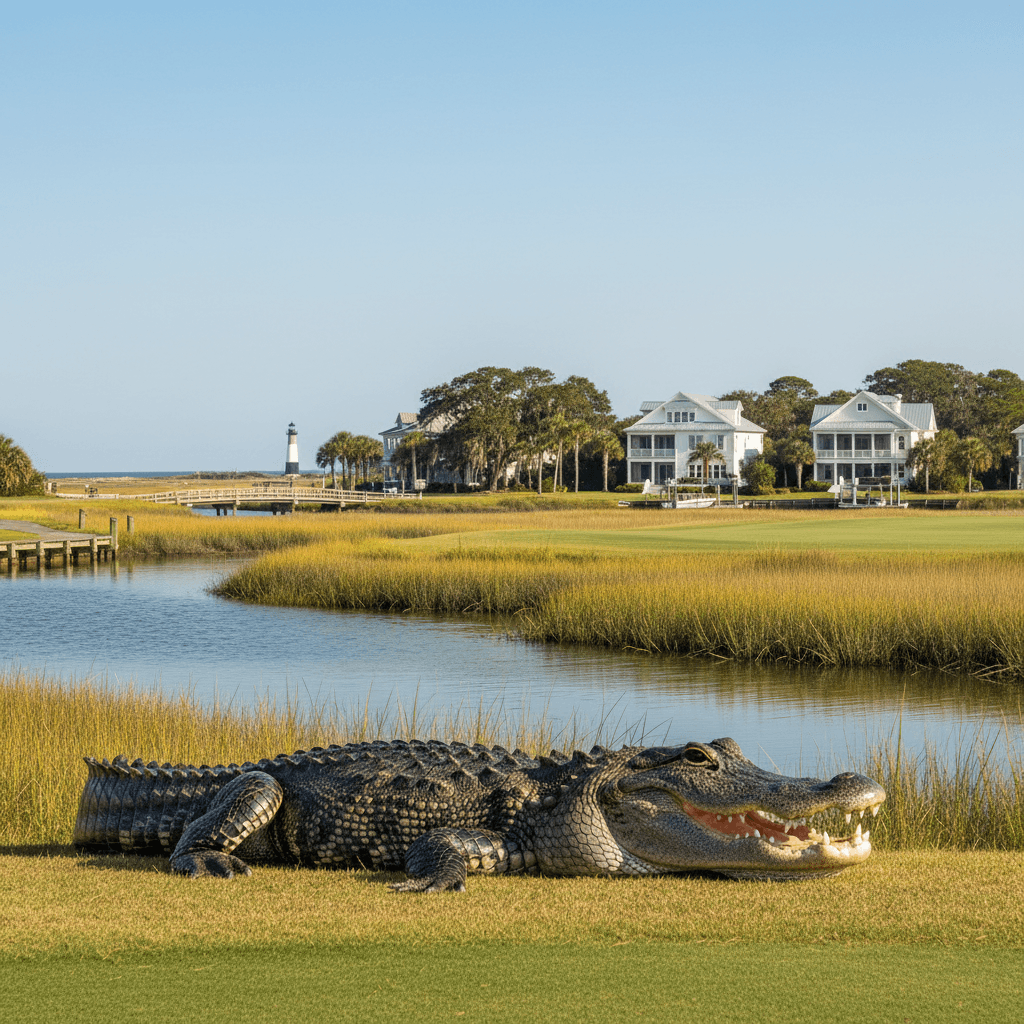
American alligators are large reptiles with broad snouts and dark gray to black coloration. Juveniles have bright yellow banding that fades with age. Adults can range from 6 to 14 feet in length and are powerful predators with strong jaws and sharp teeth.
Signs of Infestation
While not an infestation in the traditional sense, the presence of alligators near residential areas can pose a threat. Look for alligators in or near bodies of water such as ponds, canals, and swamps. Repeated sightings, especially of large alligators, warrants caution and reporting.
Health Risks
Alligators are powerful predators and can be dangerous if approached. While attacks are rare in Myrtle Beach, SC, it's important to maintain a safe distance and avoid feeding them, as this can lead to them losing their fear of humans. Keep pets and children away from the water's edge in known alligator habitats.
Our Treatment Method
MBPC does not handle alligator removal directly, as they are a protected species. In South Carolina, relocation requires authorization from the SC Department of Natural Resources. If you encounter an alligator that poses an immediate threat, contact the SCDNR or local law enforcement for assistance.
Prevention Tips
Never feed alligators, as this encourages them to associate humans with food. Keep a safe distance from alligators and avoid approaching them, especially during mating season. Secure pets on leashes near water and supervise children closely in areas where alligators may be present in Myrtle Beach, SC.
Habitat
American alligators thrive in the warm, humid subtropical climate of coastal South Carolina. They inhabit freshwater environments such as swamps, marshes, rivers, and ponds throughout the Grand Strand. Their presence is common in areas with access to both water and dense vegetation for cover.
Peak activity: Spring-Fall
Identification Photos
Frequently Asked Questions About American Alligator
Maintain a safe distance and do not approach or attempt to interact with the alligator. Contact the South Carolina Department of Natural Resources (SCDNR) or local law enforcement if the alligator poses an immediate threat.
Yes, American alligators are protected by state and federal laws. It is illegal to harass, harm, or kill them. Relocation requires permits from the SCDNR, reinforcing the need to contact authorities rather than attempting DIY removal.
Alligators are most active during the warmer months, typically from spring through fall, when they are breeding and hunting. Be especially cautious near water during this time.
Myrtle Beach Pest Control does not handle alligator relocation. Contact the SCDNR for guidance. We can, however, advise on preventative measures to reduce the likelihood of alligators approaching your property, such as managing vegetation and water sources.
Don't Let Pests Win.
Take Back Your Home Today.
Every day you wait gives pests more time to multiply and cause damage. Our licensed technicians are ready to help — often the same day you call.
Free Inspection
No cost, no obligation
Same-Day Service
Fast response guaranteed
Eco-Friendly
Safe for family & pets
100% Guarantee
Pests return, so do we
Ready to get started?
Choose how you'd like to connect with us.
Available Mon-Fri 8am-6pm, Sat 9am-2pm