American Badger
Taxidea taxus
wildlifeHow to Identify
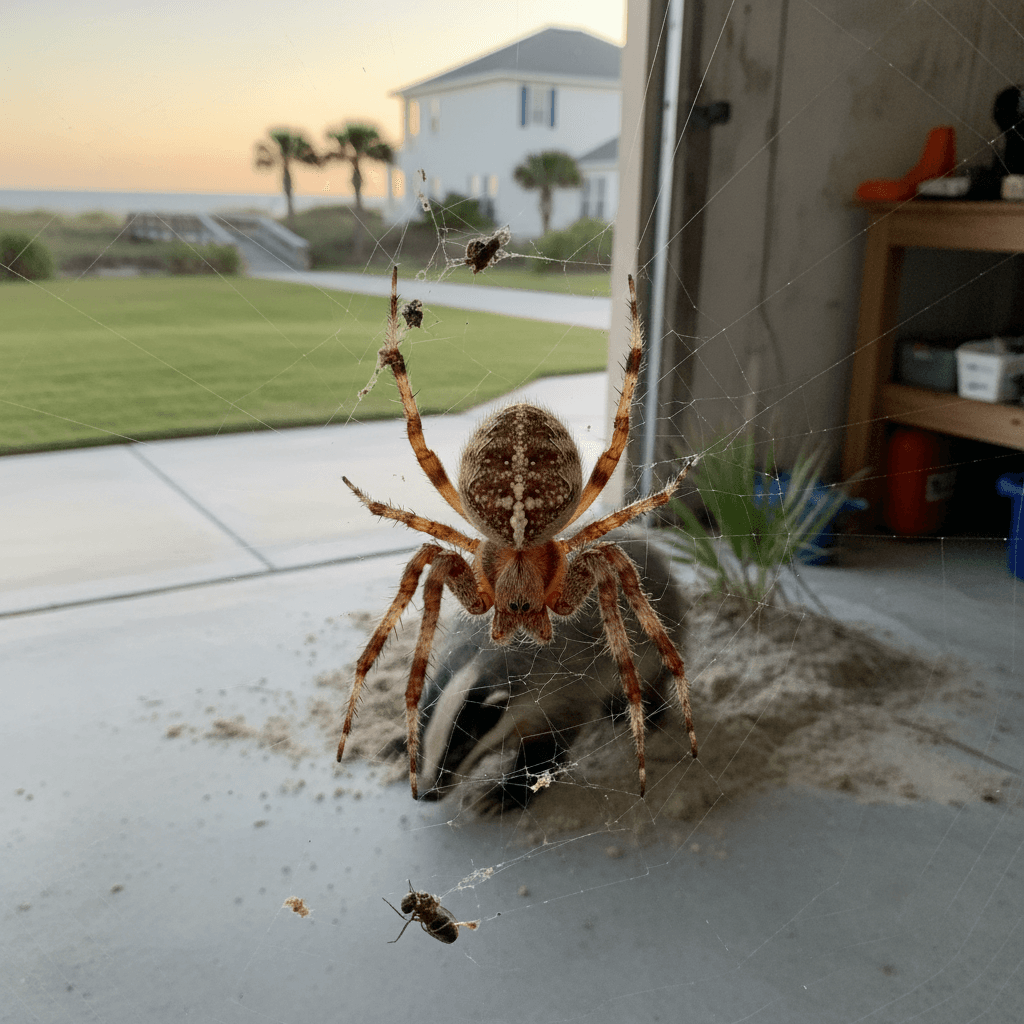
American badgers are stout, low-slung mammals with short, powerful legs and long claws adapted for digging. They have a distinctive white stripe running from their nose over the top of their head. Their fur is typically grizzled gray or reddish, and they have a flattened body shape.
Signs of Infestation
While not typically infesting homes, signs of badger activity include large, excavated burrows in yards or under structures. You might also notice disturbed soil, uprooted plants, or small holes where they have been digging for rodents or insects. Pets may exhibit unusual behavior, such as barking or agitation near potential burrow sites.
Health Risks
Badgers are not typically a direct threat to humans in Myrtle Beach, but they can carry diseases like rabies, although rare. Their digging can cause structural damage to decks, sheds, or foundations. Avoid direct contact with badgers, as they can be aggressive if they feel threatened.
Our Treatment Method
MBPC does not typically handle badger removal, as they are a protected species. In cases where badgers are causing property damage, we recommend contacting the SC Department of Natural Resources or a licensed wildlife removal specialist. Our team can assess and repair any damage to your Grand Strand home caused by badger activity.
Prevention Tips
Secure the perimeter of your property to discourage digging. Clear brush and debris piles to reduce rodent harborage, minimizing the badger's food source. If you encounter a badger, do not approach it and keep pets leashed to prevent any conflicts.
Habitat
American badgers prefer open habitats like grasslands and fields, but may occasionally venture into residential areas along the outskirts of Myrtle Beach in search of food. Given the coastal environment and available prey like rodents, badgers could establish burrows near less developed parts of the Grand Strand. They are well-adapted to sandy soils and can dig burrows quickly.
Peak activity: Year-Round
Identification Photos
Frequently Asked Questions About American Badger
While generally not aggressive, badgers can become defensive if threatened. Keep pets leashed and away from potential burrow sites to avoid conflicts. Consult with a veterinarian if your pet is injured in an encounter.
Observe the badger from a distance. Do not approach or attempt to handle it. If the badger is causing damage or seems ill or injured, contact the SC Department of Natural Resources or a licensed wildlife removal specialist in the Myrtle Beach area.
MBPC typically does not handle badger removal. Our expertise lies in pest control for insects and rodents. We recommend contacting a wildlife removal specialist or the SC Department of Natural Resources for assistance with badger issues.
While uncommon, badger burrowing near foundations can potentially cause structural damage over time, particularly in sandy soil. Monitor for signs of digging near your foundation and take preventative measures to discourage badger activity, such as securing crawl spaces and sheds.
Don't Let Pests Win.
Take Back Your Home Today.
Every day you wait gives pests more time to multiply and cause damage. Our licensed technicians are ready to help — often the same day you call.
Free Inspection
No cost, no obligation
Same-Day Service
Fast response guaranteed
Eco-Friendly
Safe for family & pets
100% Guarantee
Pests return, so do we
Ready to get started?
Choose how you'd like to connect with us.
Available Mon-Fri 8am-6pm, Sat 9am-2pm