American Toad
Anaxyrus americanus
amphibiansHow to Identify
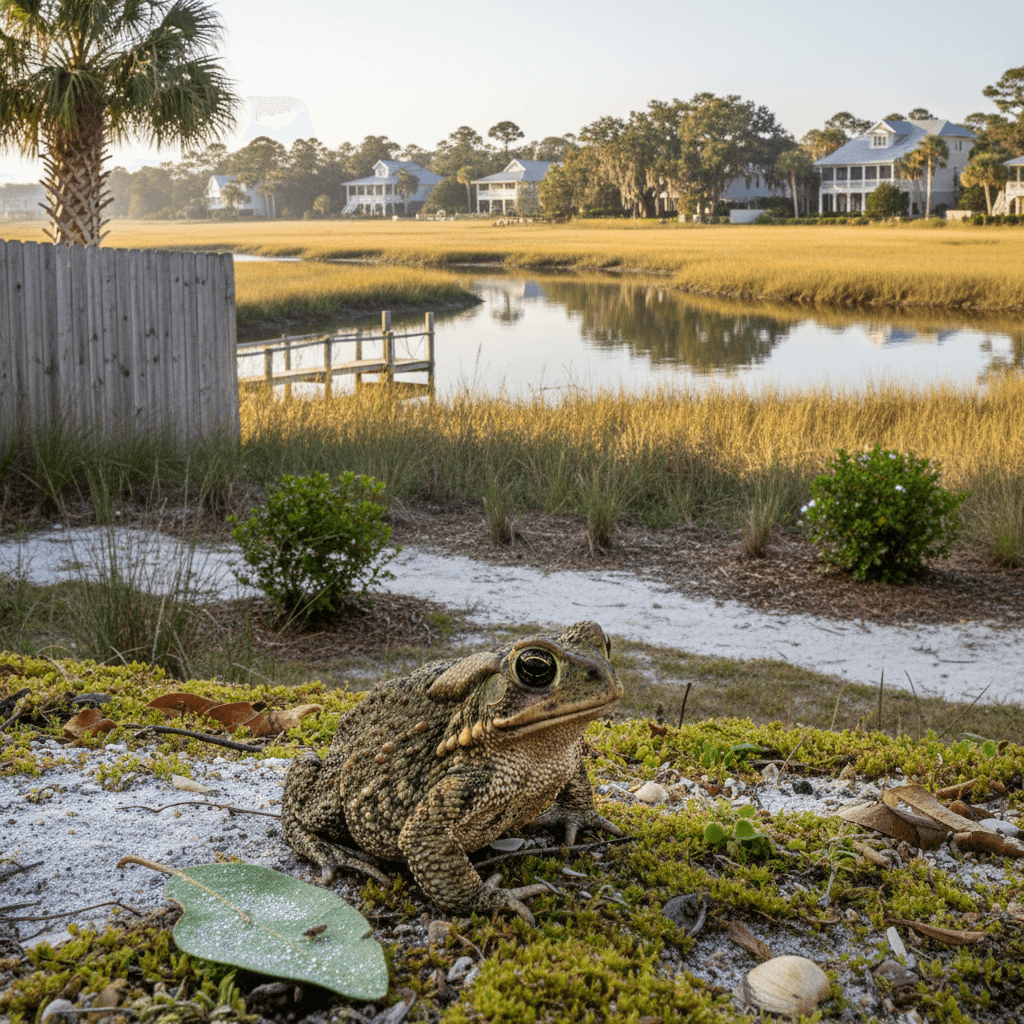
American toads are typically 2-4 inches long with warty, brown or gray skin. They have oval parotoid glands (behind the eyes) that do not contact the cranial crests. They also have dark spots, each containing one to two warts.
Signs of Infestation
While not an 'infestation' in the traditional sense, their presence is indicated by their frequent appearance in gardens, under decks, and around damp areas near your Myrtle Beach home. Listen for their high-pitched trilling call, especially during breeding season after rain. Large numbers of tadpoles in backyard ponds may also be a sign.
Health Risks
American toads pose minimal direct health risks to humans in Myrtle Beach. They do not bite or sting. Their skin secretions can be mildly irritating if ingested, so avoid handling them, and wash your hands if you do. They can also be a concern for pets who try to eat them.
Our Treatment Method
MBPC does not typically 'treat' for American toads, as they are beneficial amphibians. If their presence is causing concern, our licensed technicians can offer advice on habitat modification to make your Grand Strand property less attractive. Relocation may be an option, but should only be done short distances and is best left to SC Department of Natural Resources officials.
Prevention Tips
Reduce standing water around your Myrtle Beach home by fixing leaky faucets and improving drainage. Keep your lawn mowed and remove piles of leaves or debris where toads might seek shelter. Avoid using pesticides in your yard, as these can harm toads and their food sources.
Habitat
American toads thrive in the humid subtropical climate of coastal South Carolina, including Myrtle Beach. They prefer moist environments such as gardens, woodlands, and areas near ponds or streams. The sandy soils and abundant insects of the Grand Strand provide ideal foraging and breeding grounds.
Peak activity: Spring-Summer
Identification Photos
Frequently Asked Questions About American Toad
American toads secrete toxins from their skin that can be irritating to pets if ingested. Symptoms are usually mild (excessive drooling), but contact a veterinarian in Myrtle Beach if your pet shows signs of distress.
Yes, American toads are beneficial to have around your Myrtle Beach property! They eat a wide variety of insects, slugs, and other pests that can damage your garden and lawn.
It's usually best to leave toads alone, but if you must remove them, avoid handling them directly. Gently scoop them into a bucket and relocate them to a nearby wooded area away from your home in the Grand Strand.
Toads are attracted to moist environments with plenty of insects. Reducing standing water, keeping your lawn mowed, and avoiding pesticides can make your Myrtle Beach yard less attractive to them.
Don't Let Pests Win.
Take Back Your Home Today.
Every day you wait gives pests more time to multiply and cause damage. Our licensed technicians are ready to help — often the same day you call.
Free Inspection
No cost, no obligation
Same-Day Service
Fast response guaranteed
Eco-Friendly
Safe for family & pets
100% Guarantee
Pests return, so do we
Ready to get started?
Choose how you'd like to connect with us.
Available Mon-Fri 8am-6pm, Sat 9am-2pm