Aphid
Aphidoidea
insectsHow to Identify
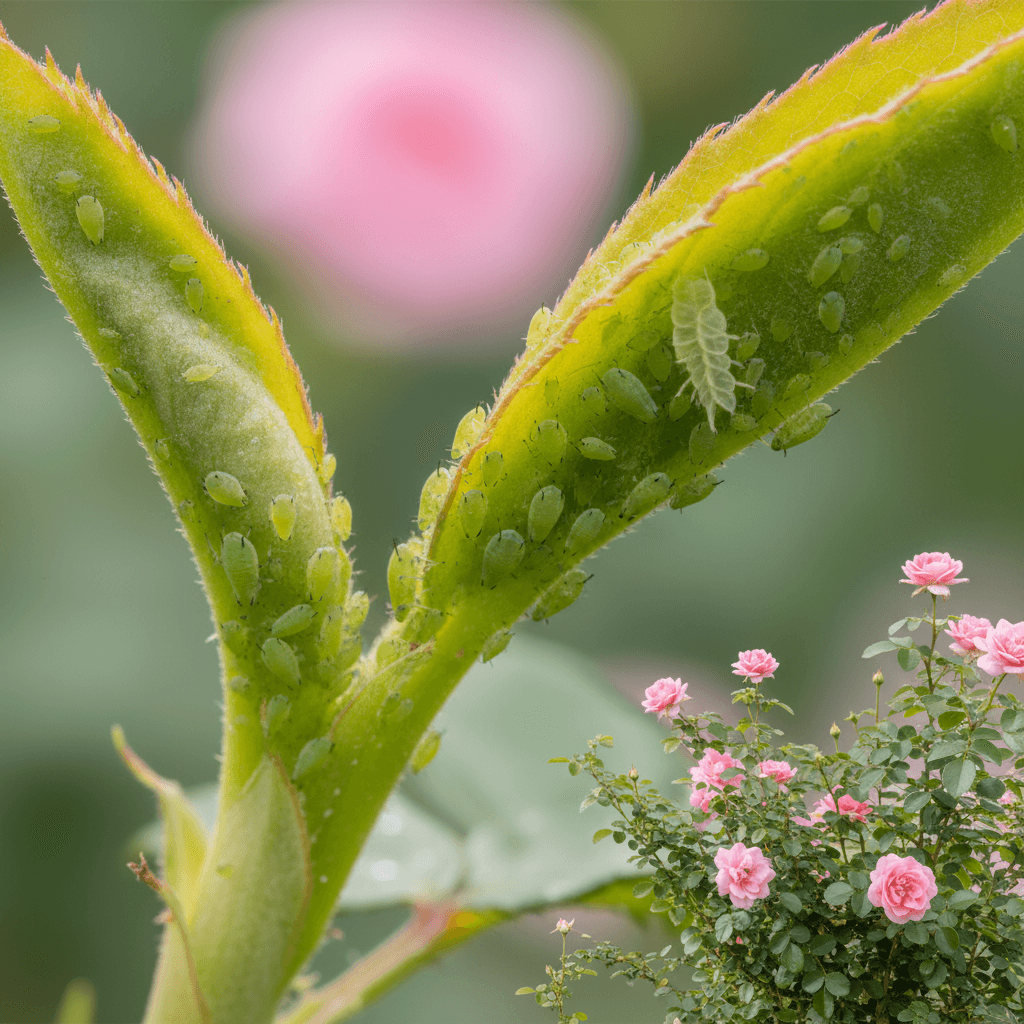
Aphids are small, soft-bodied insects, typically pear-shaped and less than 1/4 inch long. They come in various colors, including green, yellow, brown, or black. They have long antennae and some species have wings, especially when populations are crowded.
Signs of Infestation
Look for clusters of small insects on stems and undersides of leaves, often accompanied by a sticky substance called honeydew. Curled, yellowed, or distorted leaves are also common signs. You may also observe increased ant activity, as ants feed on the honeydew produced by aphids.
Health Risks
Aphids do not directly pose health risks to humans in Myrtle Beach. However, their feeding can weaken plants, making them more susceptible to diseases and other pests. The sticky honeydew they produce can also attract other insects and promote mold growth, which can be a nuisance around your property.
Our Treatment Method
MBPC offers targeted treatments for aphid infestations on your Grand Strand property. Our SC Department of Pesticide Regulation licensed technicians can apply insecticidal soap or horticultural oil to control aphid populations while minimizing impact on beneficial insects. We can also advise on cultural practices to reduce future infestations.
Prevention Tips
Inspect plants regularly for signs of aphids, especially during the spring and summer months in Myrtle Beach. Encourage beneficial insects like ladybugs and lacewings that prey on aphids. Avoid over-fertilizing plants, as lush growth can attract aphids in your SC garden.
Habitat
Aphids thrive in the warm, humid subtropical climate of coastal South Carolina. They are commonly found on ornamental plants, vegetables, and fruit trees in Myrtle Beach gardens and landscapes. They prefer sheltered locations with abundant new growth and are often found near water sources.
Peak activity: Spring-Summer
Identification Photos
Frequently Asked Questions About Aphid
That sticky substance is likely honeydew, a sugary waste product excreted by aphids as they feed on plant sap. It can attract ants and promote the growth of sooty mold, a black fungus that can further damage your plants.
Yes, aphids can cause significant damage to vegetable plants by sucking sap and transmitting diseases. They can stunt growth, reduce yields, and even kill young plants in your Myrtle Beach garden.
Introducing beneficial insects like ladybugs or lacewings to your garden can help control aphid populations naturally. You can also spray plants with insecticidal soap or horticultural oil, following label instructions carefully. Contact MBPC for more information about organic pest control options.
Aphid populations tend to peak during the spring and summer months in Myrtle Beach when temperatures are warm and plants are actively growing. Regular monitoring and preventative measures are crucial during these times.
Don't Let Pests Win.
Take Back Your Home Today.
Every day you wait gives pests more time to multiply and cause damage. Our licensed technicians are ready to help — often the same day you call.
Free Inspection
No cost, no obligation
Same-Day Service
Fast response guaranteed
Eco-Friendly
Safe for family & pets
100% Guarantee
Pests return, so do we
Ready to get started?
Choose how you'd like to connect with us.
Available Mon-Fri 8am-6pm, Sat 9am-2pm