Big-headed ant
Pheidole megacephala
insectsHow to Identify
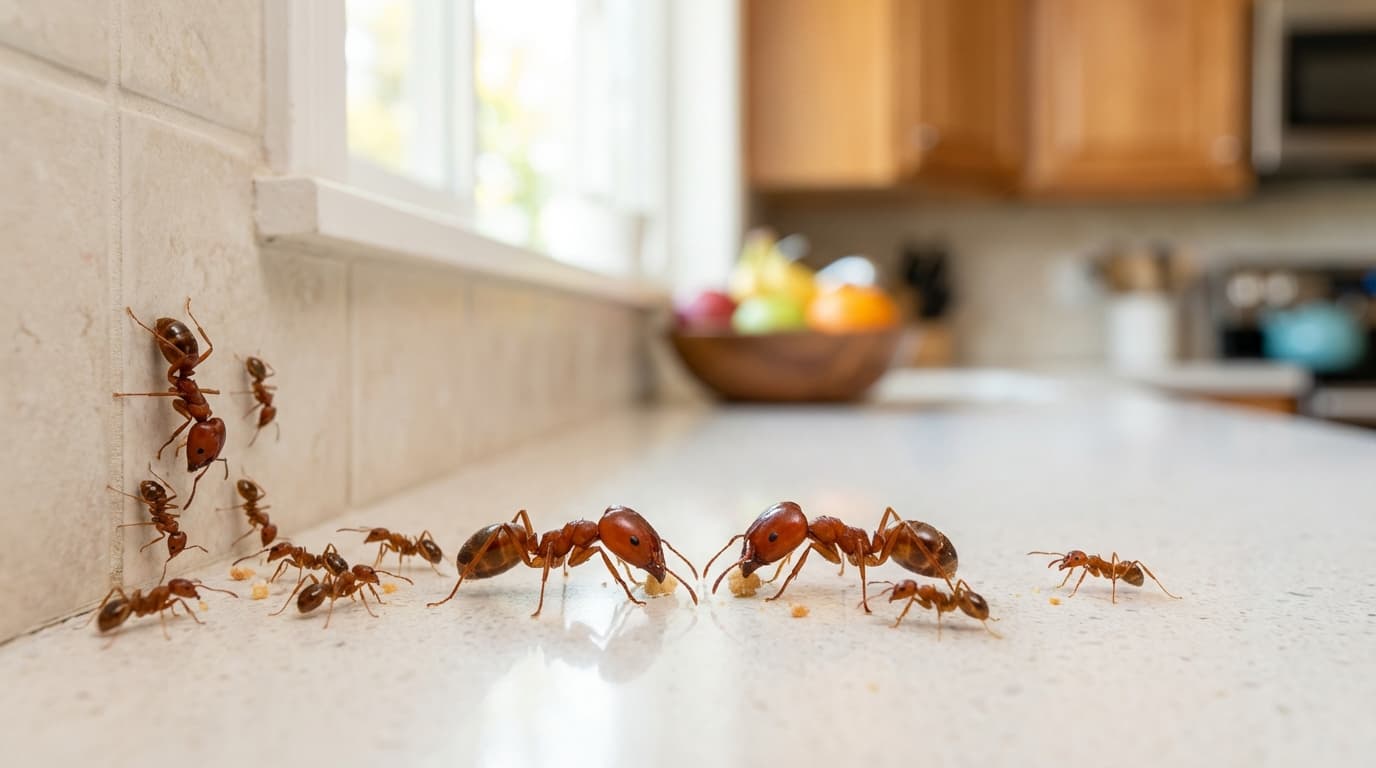
Big-headed ants are small, about 1/16 to 1/8 inch long, and range from light to dark reddish-brown. They are easily identified by their disproportionately large heads, especially in the major workers (soldiers). These ants also have two nodes on their petiole and 10-segmented antennae.
Signs of Infestation
Look for trails of small, reddish-brown ants foraging for food, especially in kitchens and pantries. You may also find piles of excavated soil or debris near foundations, sidewalks, or in potted plants. Big-headed ants often establish nests in wall voids, under floors, or in decaying wood.
Health Risks
Big-headed ants don't pose a direct health risk in Myrtle Beach, as they don't sting or transmit diseases. However, their presence can be a nuisance, and they can contaminate food. Their ability to establish large colonies can also cause structural issues by displacing soil and nesting in walls.
Our Treatment Method
MBPC offers targeted treatments for big-headed ant infestations in the Grand Strand area. Our licensed technicians use EPA-approved insecticides to eliminate existing colonies and prevent future infestations. We focus on treating entry points, nesting sites, and foraging trails, while adhering to SC Department of Pesticide Regulation guidelines for safe and effective pest control.
Prevention Tips
Seal cracks and crevices in your foundation and around windows and doors to prevent entry. Eliminate standing water and moisture around your home, as these ants require moisture to survive. Store food in airtight containers and promptly clean up spills to eliminate food sources that attract them in your SC home.
Habitat
Big-headed ants thrive in the warm, humid subtropical climate of Myrtle Beach and are commonly found in coastal areas. They nest in soil, under rocks, in decaying wood, and within structures. They prefer disturbed habitats and readily invade homes and businesses in search of food and shelter, particularly in areas with sandy soil.
Peak activity: Year-Round
Identification Photos
Frequently Asked Questions About Big-headed ant
Big-headed ants don't sting or bite, but they can contaminate food and cause structural issues by displacing soil around foundations in your Myrtle Beach home. While not directly dangerous, they are a nuisance pest that should be controlled.
Big-headed ants enter homes through cracks and crevices in the foundation, around pipes, and under doors. They are attracted to food and water sources and can quickly establish colonies inside walls and other hidden areas in Myrtle Beach properties.
The best way to get rid of big-headed ants is to call a professional pest control company like MBPC. We can identify the source of the infestation and apply targeted treatments to eliminate the colony and prevent future problems in your Grand Strand home.
Yes, you can prevent big-headed ants from returning by sealing entry points, eliminating food and water sources, and maintaining a clean and dry environment. Regular pest control treatments from MBPC can also provide long-term protection for your Myrtle Beach home.
Don't Let Pests Win.
Take Back Your Home Today.
Every day you wait gives pests more time to multiply and cause damage. Our licensed technicians are ready to help — often the same day you call.
Free Inspection
No cost, no obligation
Same-Day Service
Fast response guaranteed
Eco-Friendly
Safe for family & pets
100% Guarantee
Pests return, so do we
Ready to get started?
Choose how you'd like to connect with us.
Available Mon-Fri 8am-6pm, Sat 9am-2pm