Cottonmouth
Agkistrodon piscivorus
reptilesHow to Identify
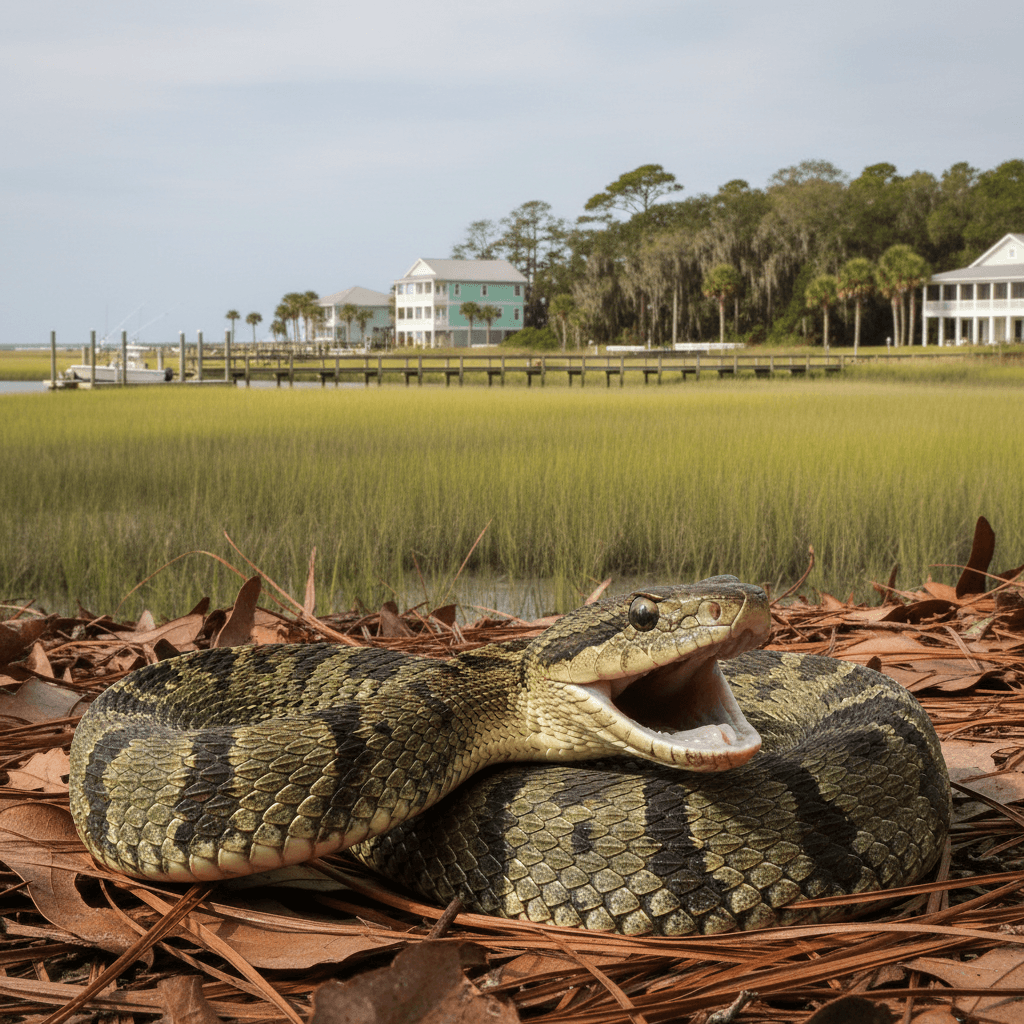
Cottonmouths are venomous snakes with thick bodies, reaching lengths of 30-48 inches. Key identifiers include a dark brown or black coloration (though juveniles can be lighter with dark crossbands), a triangular head, and a white, cotton-like lining of the mouth displayed when threatened. They have elliptical pupils and a heat-sensing pit between the eye and nostril on each side of the head.
Signs of Infestation
Cottonmouths are not typically found *inside* homes, but may be present in yards, especially near water sources. Look for them near ponds, ditches, swamps, and slow-moving creeks. You may see them basking on logs or rocks, or swimming in the water.
Health Risks
Cottonmouths are venomous, and their bite can be medically significant. While bites are rare, exercise caution if you encounter one, especially near water in the Myrtle Beach area. Seek immediate medical attention if bitten, as their venom can cause tissue damage, pain, and swelling.
Our Treatment Method
MBPC does not directly handle snake removal, as it falls outside the scope of SC Department of Pesticide Regulation. However, we can offer advice on habitat modification to deter snakes and recommend licensed wildlife removal specialists operating in the Grand Strand area. Reducing potential food sources, like rodents, can also help.
Prevention Tips
Clear dense vegetation and debris around your property to reduce potential hiding spots. Avoid approaching or handling any snakes you encounter. Keep pets on a leash when walking near water sources in Myrtle Beach, and teach children to respect wildlife and maintain a safe distance.
Habitat
Cottonmouths thrive in the humid subtropical climate and coastal habitats of Myrtle Beach. They are commonly found near freshwater sources like swamps, marshes, rivers, and creeks. These snakes often inhabit areas with dense vegetation and readily available prey, making them relatively common along the Grand Strand.
Peak activity: Spring-Fall
Identification Photos
Frequently Asked Questions About Cottonmouth
Cottonmouths are not typically aggressive unless they feel threatened. They will often stand their ground and display their white mouth as a warning before striking. Give them space and avoid approaching them in your Myrtle Beach yard.
Do not attempt to handle or kill the snake. Keep a safe distance and contact a licensed wildlife removal specialist in the Myrtle Beach area. You can also call SC DNR for advice.
Remove potential food sources like rodents and standing water. Keep your yard clean and free of debris, and trim back vegetation to eliminate hiding places. Contact MBPC for rodent control solutions in your Myrtle Beach home.
While not specifically protected, it is illegal to indiscriminately kill non-game wildlife in South Carolina. It's best to leave snakes alone or contact a professional for removal to ensure both your safety and the well-being of the animal near your Grand Strand home.
Don't Let Pests Win.
Take Back Your Home Today.
Every day you wait gives pests more time to multiply and cause damage. Our licensed technicians are ready to help — often the same day you call.
Free Inspection
No cost, no obligation
Same-Day Service
Fast response guaranteed
Eco-Friendly
Safe for family & pets
100% Guarantee
Pests return, so do we
Ready to get started?
Choose how you'd like to connect with us.
Available Mon-Fri 8am-6pm, Sat 9am-2pm