Cutworm
Agrotis ipsilon
insectsHow to Identify
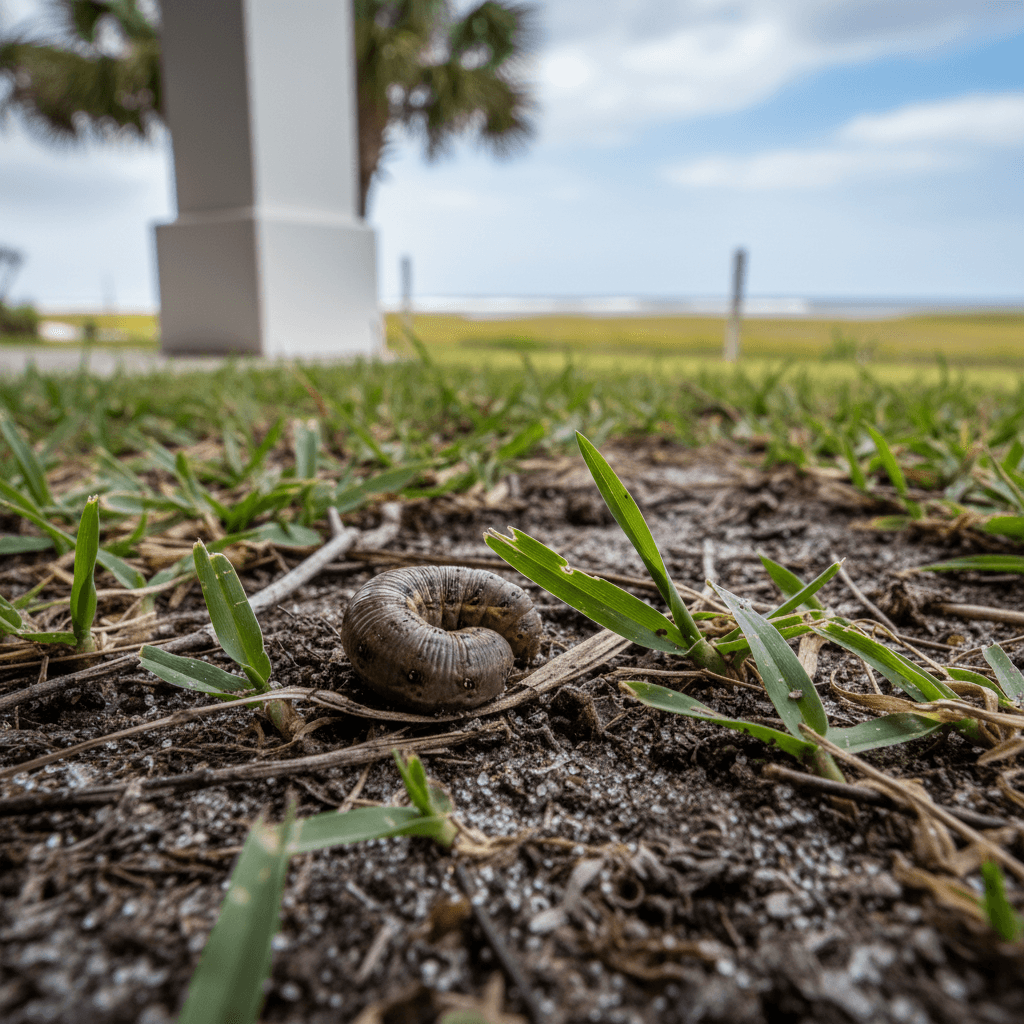
Cutworm larvae are smooth, plump caterpillars, typically gray, brown, or black, often with faint stripes. They curl into a C-shape when disturbed. As nocturnal feeders, they are rarely seen during the day, hiding in soil or under plant debris.
Signs of Infestation
Look for seedlings that have been severed at or near the soil line. You might also find ragged holes in leaves or find the caterpillars themselves hiding just beneath the soil surface near damaged plants. In Myrtle Beach gardens, newly planted vegetables are particularly vulnerable.
Health Risks
Cutworms do not directly pose health risks to humans in Myrtle Beach. Their damage is limited to plants and crops. However, destroyed garden plants can lead to frustration for local gardeners trying to cultivate vegetables and ornamentals.
Our Treatment Method
MBPC can advise on preventative measures and targeted treatments for cutworms in your Grand Strand garden. Options include applying Bacillus thuringiensis (Bt) or using physical barriers around vulnerable plants. As a licensed company in SC, we prioritize environmentally responsible pest management.
Prevention Tips
Clear away plant debris and weeds from your Myrtle Beach garden, as these provide hiding places for cutworms. Consider using plant collars around young seedlings to prevent cutworm damage. Tilling the soil before planting can also expose and destroy overwintering cutworm pupae.
Habitat
Cutworms thrive in gardens and agricultural areas throughout Myrtle Beach and coastal South Carolina. They prefer loose, cultivated soil where they can easily burrow and feed on plant roots and stems. The humid subtropical climate provides ample moisture for their survival.
Peak activity: Spring-Fall
Identification Photos
Frequently Asked Questions About Cutworm
Cutworms are most active in the spring and fall in Myrtle Beach, when temperatures are moderate and there is ample moisture. They can overwinter as pupae or larvae, emerging to feed when conditions are favorable.
Cutworms are generalist feeders and will attack a wide variety of garden plants in Myrtle Beach, including vegetables like tomatoes, peppers, and beans, as well as ornamentals like petunias and marigolds. Newly transplanted seedlings are especially vulnerable.
Physical barriers like plant collars, made from cardboard or plastic, are effective in preventing cutworms from reaching young seedlings. Regularly inspect your plants for signs of damage and remove any cutworms you find. Contact MBPC for additional strategies.
While cutworms can cause significant damage to individual plants, they are not typically a major threat to large-scale commercial crops in the Grand Strand area. However, local farmers should monitor their fields and implement control measures if populations become excessive.
Don't Let Pests Win.
Take Back Your Home Today.
Every day you wait gives pests more time to multiply and cause damage. Our licensed technicians are ready to help — often the same day you call.
Free Inspection
No cost, no obligation
Same-Day Service
Fast response guaranteed
Eco-Friendly
Safe for family & pets
100% Guarantee
Pests return, so do we
Ready to get started?
Choose how you'd like to connect with us.
Available Mon-Fri 8am-6pm, Sat 9am-2pm