Desert Cottontail
Sylvilagus audubonii
wildlifeHow to Identify
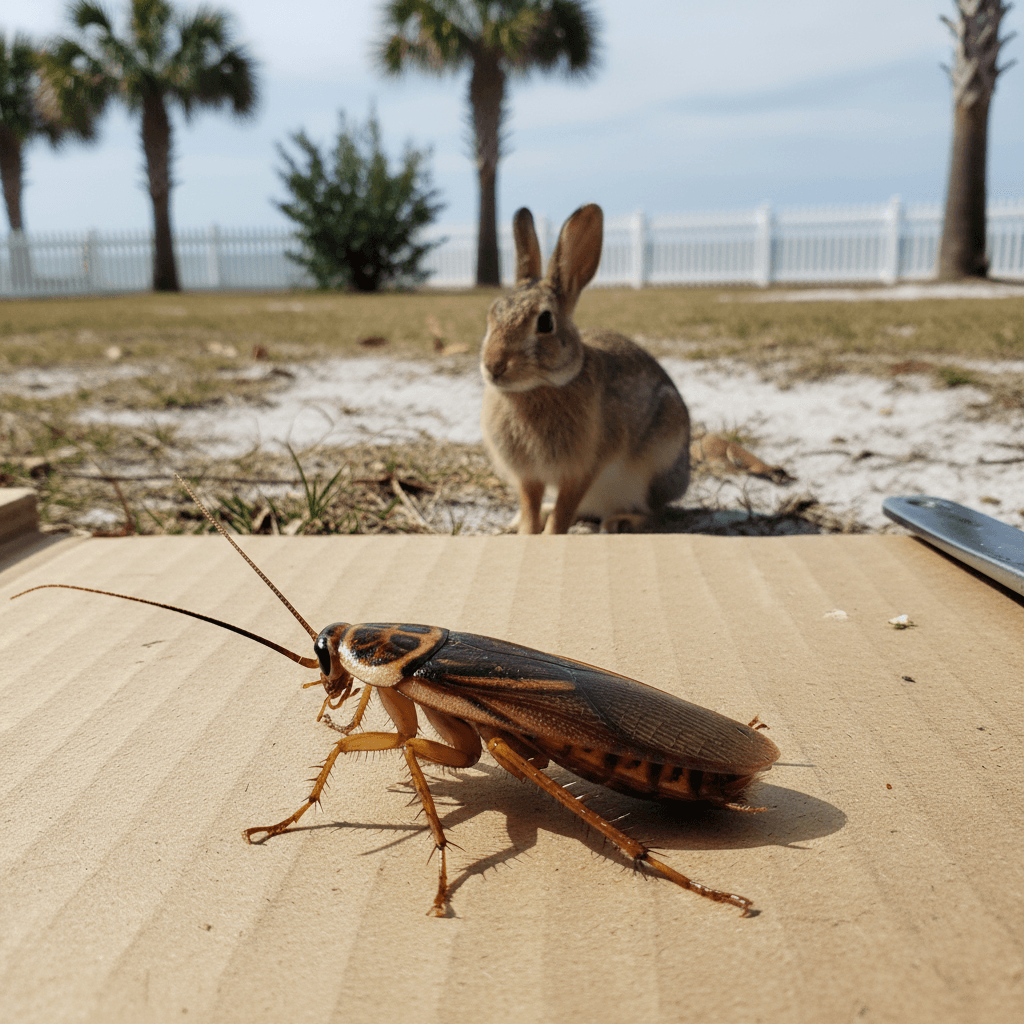
Desert cottontails are small to medium-sized rabbits with long ears, a short, fluffy white tail (giving them the 'cottontail' name), and a grayish-brown coat. They have relatively large hind feet adapted for running and jumping. Adults typically weigh between 2 and 4 pounds.
Signs of Infestation
While not an infestation, frequent sightings or damage to garden plants, gnawed tree bark, and small, round droppings may indicate their presence on your Myrtle Beach property. You might also notice shallow burrows or nests under shrubs or decks. Increased activity of pets (dogs, cats) in the yard may also be a sign.
Health Risks
Desert cottontails pose minimal direct health risks to humans in Myrtle Beach. However, they can carry fleas and ticks, which can transmit diseases. Their presence can also attract predators like foxes or coyotes to residential areas, potentially posing a risk to small pets.
Our Treatment Method
MBPC does not typically handle desert cottontail removal, as they are a protected wildlife species. However, we can advise on humane deterrents and habitat modification strategies, in accordance with SC Department of Natural Resources guidelines. We can also assist with relocating them humanely, if required and permitted.
Prevention Tips
Protect gardens and valuable plants with fencing or netting to deter cottontails. Remove brush piles and debris that provide harborage. Ensure trash cans are securely closed to prevent attracting them with food scraps - a common issue in coastal SC neighborhoods.
Habitat
In the Myrtle Beach area, desert cottontails may be found in open areas, scrublands, and even residential yards with sufficient vegetation. They prefer habitats with sandy soils and access to water sources. They often seek shelter in dense shrubs or under decks, common features in Grand Strand landscaping.
Peak activity: Year-Round
Identification Photos
Frequently Asked Questions About Desert Cottontail
Desert cottontails are generally not aggressive, but they can carry parasites like fleas and ticks that can affect your pets. Keep your pets on flea and tick prevention medication and monitor them when they are outside in your Myrtle Beach yard.
Leave the nest undisturbed. The mother cottontail will return to feed the young. If you are concerned about their safety, contact a local wildlife rescue organization in the Myrtle Beach area for guidance.
Fencing, netting, and motion-activated sprinklers are effective deterrents. You can also try planting vegetation that cottontails find unappetizing. Avoid using poison baits, as these can harm other wildlife and pets.
While not specifically listed as endangered, regulations may apply regarding relocation or trapping of wildlife. Contact the SC Department of Natural Resources for the most up-to-date rules and regulations.
Don't Let Pests Win.
Take Back Your Home Today.
Every day you wait gives pests more time to multiply and cause damage. Our licensed technicians are ready to help — often the same day you call.
Free Inspection
No cost, no obligation
Same-Day Service
Fast response guaranteed
Eco-Friendly
Safe for family & pets
100% Guarantee
Pests return, so do we
Ready to get started?
Choose how you'd like to connect with us.
Available Mon-Fri 8am-6pm, Sat 9am-2pm