Downy Woodpecker
Dryobates pubescens
birdsHow to Identify
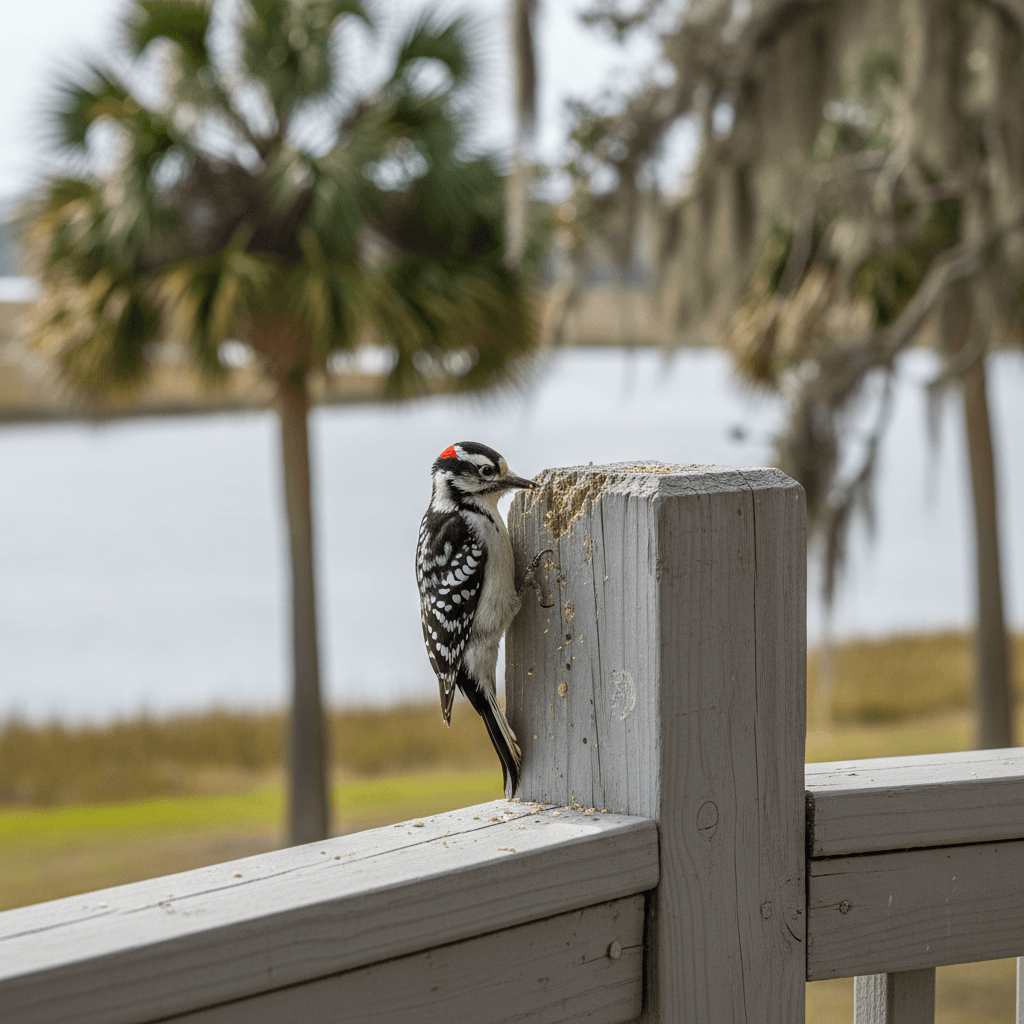
The Downy Woodpecker is North America's smallest woodpecker. It's identified by its black and white plumage, with males having a small red patch on the back of their heads. They are about 6 inches in length, with a straight, chisel-like bill, and a slightly undulating flight pattern.
Signs of Infestation
Look for small, shallow holes in wooden siding, fences, or trees, often in a consistent pattern. You may also hear a rapid drumming sound as the woodpecker searches for insects or establishes territory. Piles of wood shavings near damaged areas are another telltale sign.
Health Risks
Downy Woodpeckers themselves pose no direct health risk to humans in Myrtle Beach. However, the damage they cause to wooden structures can lead to secondary issues like water damage and mold growth, potentially impacting indoor air quality and health for those with respiratory sensitivities.
Our Treatment Method
MBPC does not typically offer direct pest control for Downy Woodpeckers, as they are protected under the Migratory Bird Treaty Act. However, we can advise on exclusion methods and deterrents, working within SC Department of Pesticide Regulation guidelines. Our technicians can assess the damage and suggest preventative measures to discourage woodpecker activity around your Grand Strand property.
Prevention Tips
Install bird netting or shiny deterrents (like Mylar tape) over areas where woodpeckers are causing damage. Remove dead or decaying trees that attract insects, a primary food source for woodpeckers. Contact a licensed wildlife professional for advice on humane exclusion methods specific to Myrtle Beach, SC, if problems persist.
Habitat
Downy Woodpeckers are common in wooded areas throughout Myrtle Beach and the Grand Strand. They thrive in our humid subtropical climate, foraging for insects in trees, shrubs, and even wooden structures around homes. They are often found near salt marshes and tidal creeks, where insect populations are abundant.
Peak activity: Year-Round
Identification Photos
Frequently Asked Questions About Downy Woodpecker
Downy Woodpeckers may be searching for insects in your siding, establishing territory through drumming, or excavating a nest cavity. In Myrtle Beach, this is often due to the abundance of insects attracted to damp wood in our humid climate.
Yes, Downy Woodpeckers are protected under the Migratory Bird Treaty Act. It is illegal to kill, harm, or trap them without a permit. Contact SC Department of Natural Resources for guidance on humane deterrents.
Try hanging shiny objects, installing bird netting, or applying woodpecker deterrent sprays to affected areas. Removing dead trees and limbs near your Myrtle Beach home can also reduce insect populations, discouraging woodpeckers from foraging there.
While MBPC doesn't directly handle woodpecker removal, we can assess the damage and recommend preventative measures or connect you with licensed wildlife specialists in the Myrtle Beach area who can offer humane solutions.
Don't Let Pests Win.
Take Back Your Home Today.
Every day you wait gives pests more time to multiply and cause damage. Our licensed technicians are ready to help — often the same day you call.
Free Inspection
No cost, no obligation
Same-Day Service
Fast response guaranteed
Eco-Friendly
Safe for family & pets
100% Guarantee
Pests return, so do we
Ready to get started?
Choose how you'd like to connect with us.
Available Mon-Fri 8am-6pm, Sat 9am-2pm