Eastern Cottontail
Sylvilagus floridanus
wildlifeHow to Identify
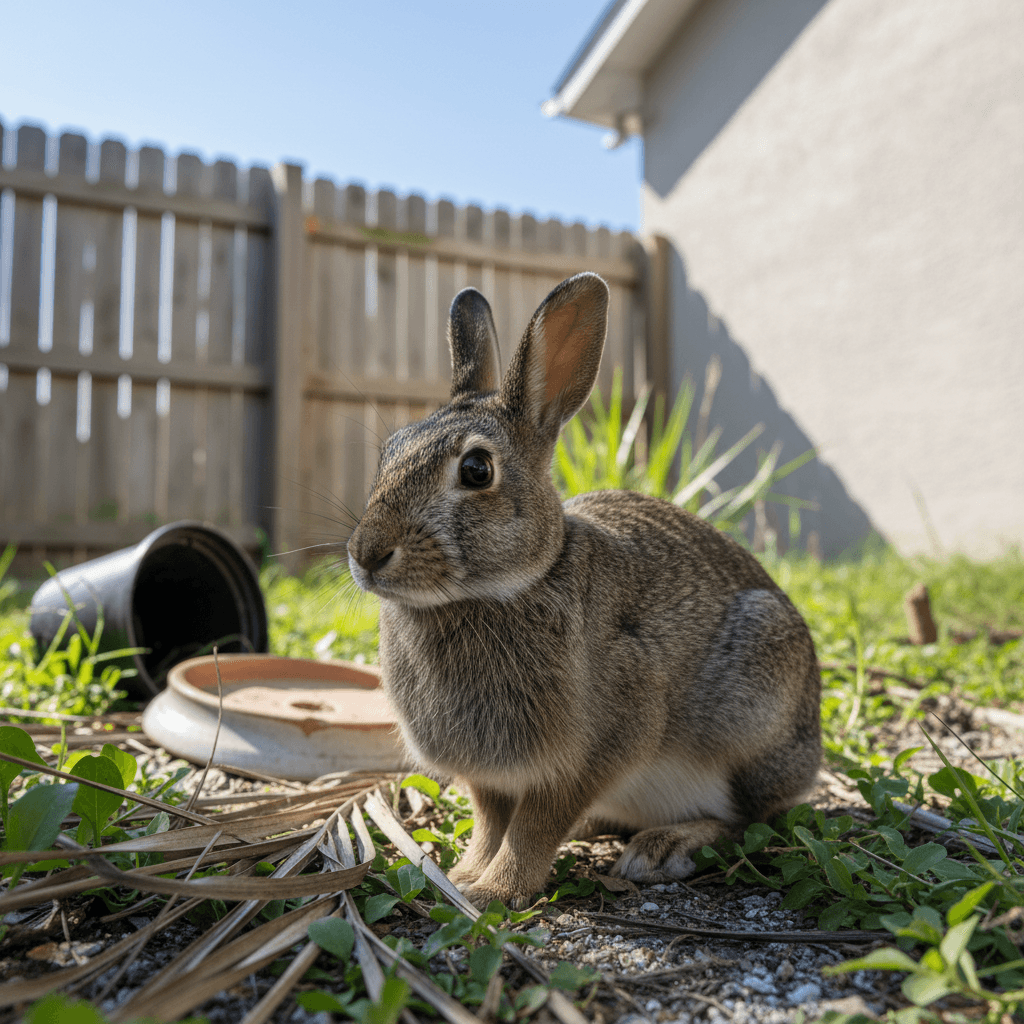
Eastern cottontails are medium-sized rabbits with long ears, a short, fluffy white tail, and mottled brown fur. They typically weigh between 2 and 4 pounds. Their large hind feet allow them to move quickly and jump effectively.
Signs of Infestation
Signs of eastern cottontails around your property include gnawed plants in gardens, small, round droppings, and shallow burrows in the yard. You might also notice damage to the bark of young trees or shrubs, particularly during the winter months when other food sources are scarce. Tracks in the sandy soil common in Myrtle Beach are another telltale sign.
Health Risks
Eastern cottontails themselves pose minimal direct health risks to humans in Myrtle Beach. However, they can carry ticks and fleas, which may transmit diseases. Their presence can also cause damage to gardens and landscaping, potentially leading to costly repairs or replacement of vegetation.
Our Treatment Method
MBPC does not offer direct removal of eastern cottontails, as they are protected wildlife. However, our licensed technicians can provide advice on deterrents and habitat modification to discourage rabbits from damaging your Grand Strand property. We can also assist with exclusion techniques, such as fencing, following SC Department of Pesticide Regulation guidelines.
Prevention Tips
Protect gardens and vulnerable plants with fencing or netting to prevent rabbit damage. Remove brush piles and other potential hiding places to reduce their habitat around your property in Myrtle Beach. Consider using rabbit-repellent plants in your landscaping to deter them naturally, being mindful of the sandy SC soil conditions.
Habitat
Eastern cottontails are common throughout the Grand Strand, thriving in the diverse habitats of coastal South Carolina. They prefer areas with dense vegetation for cover, such as brush piles, thickets, and overgrown gardens. They can be found in both residential and rural areas, including near salt marshes and tidal creeks around Myrtle Beach.
Peak activity: Year-Round
Identification Photos
Frequently Asked Questions About Eastern Cottontail
Eastern cottontails are generally not dangerous to humans but can carry ticks and fleas, which pose a risk of disease transmission in Myrtle Beach. They can also cause damage to gardens and landscaping.
Eastern cottontails are attracted to yards with plenty of vegetation, including gardens, shrubs, and brush piles. They seek food and shelter in these environments, which are common in many Grand Strand properties.
Fencing, netting, and rabbit repellents are effective ways to protect your garden from eastern cottontails. Removing brush piles and other hiding places can also help deter them from your Myrtle Beach property.
Relocating eastern cottontails is generally discouraged and may be illegal in some areas of South Carolina. Contact your local wildlife authorities for specific regulations. MBPC can advise on legal and ethical deterrent methods.
Don't Let Pests Win.
Take Back Your Home Today.
Every day you wait gives pests more time to multiply and cause damage. Our licensed technicians are ready to help — often the same day you call.
Free Inspection
No cost, no obligation
Same-Day Service
Fast response guaranteed
Eco-Friendly
Safe for family & pets
100% Guarantee
Pests return, so do we
Ready to get started?
Choose how you'd like to connect with us.
Available Mon-Fri 8am-6pm, Sat 9am-2pm