Feral cat
Felis catus
wildlifeHow to Identify
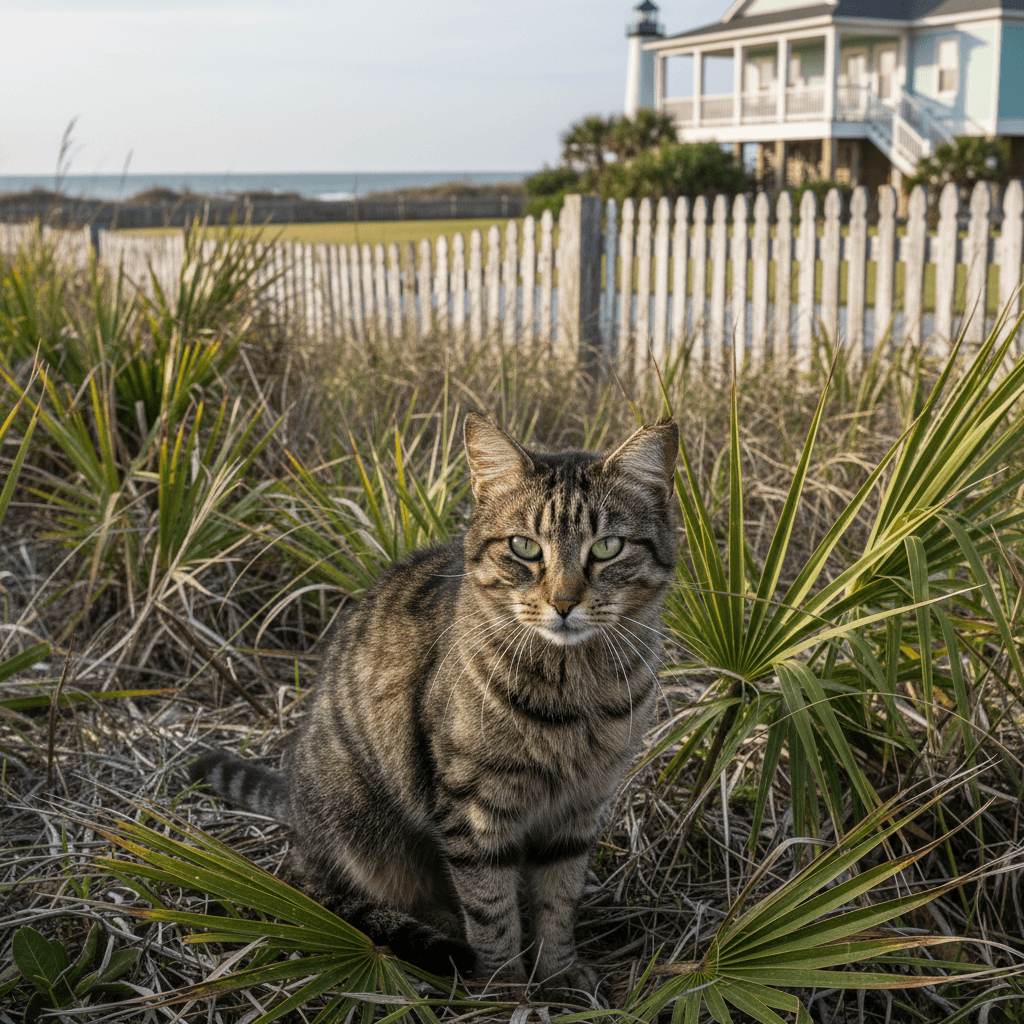
Feral cats are typically the same size as domestic cats, but are often thinner with matted or unkempt fur. They may exhibit notched ears (a sign of TNR - Trap-Neuter-Release programs) and are generally wary of humans, maintaining a safe distance.
Signs of Infestation
Signs of feral cat presence include overturned garbage cans, scattered trash, and the distinct odor of cat urine or feces around your property. You may also observe cats frequently crossing your yard, sheltering under decks or sheds, or hearing them fighting or vocalizing at night. Scratch marks on outdoor furniture or vehicles may also be evident.
Health Risks
While generally avoiding direct human contact, feral cats can carry diseases like rabies, feline leukemia, and parasites that can transmit to pets or, rarely, humans in Myrtle Beach. Their feces can also contaminate soil with harmful bacteria. Additionally, large populations can impact local bird and small wildlife populations along the Grand Strand.
Our Treatment Method
MBPC does not directly handle feral cat removal, as this is outside the scope of our SC Department of Pesticide Regulation license. Instead, we recommend contacting local animal shelters or rescue organizations specializing in Trap-Neuter-Release programs. These groups humanely manage feral cat populations in the Myrtle Beach area.
Prevention Tips
Secure garbage cans to prevent cats from scavenging for food. Remove potential sheltering spots by sealing openings under decks, sheds, and porches. Avoid feeding feral cats, as this encourages them to congregate and breed on your property in Myrtle Beach, SC. Consider motion-activated sprinklers as a temporary deterrent.
Habitat
Feral cats thrive in the mild climate of coastal South Carolina, finding shelter in wooded areas, under buildings, and in abandoned properties. The warm temperatures and readily available food sources (garbage, rodents, handouts) allow them to survive and breed year-round in the Grand Strand's humid subtropical environment.
Peak activity: Year-Round
Identification Photos
Frequently Asked Questions About Feral cat
Stray cats are typically socialized to humans and may have been abandoned or lost. Feral cats are unsocialized and avoid human contact, often born in the wild. It's more common to find truly feral cats near the beaches and undeveloped areas of Myrtle Beach.
While it may seem compassionate, feeding feral cats encourages them to stay in the area and breed. This can lead to overpopulation and potential conflicts with neighbors or local wildlife. TNR programs are a more effective long-term solution.
Contact a local animal rescue organization or shelter in the Myrtle Beach area. They can provide guidance on how to care for the kittens or connect you with resources for fostering or adoption. Do not attempt to handle the kittens without proper training and equipment.
MBPC focuses on insect and rodent control and does not handle wildlife removal. We recommend contacting animal control or a local TNR program for assistance with feral cat populations in your Myrtle Beach neighborhood. We can, however, help with secondary pest issues that might be exacerbated by feral cats.
Don't Let Pests Win.
Take Back Your Home Today.
Every day you wait gives pests more time to multiply and cause damage. Our licensed technicians are ready to help — often the same day you call.
Free Inspection
No cost, no obligation
Same-Day Service
Fast response guaranteed
Eco-Friendly
Safe for family & pets
100% Guarantee
Pests return, so do we
Ready to get started?
Choose how you'd like to connect with us.
Available Mon-Fri 8am-6pm, Sat 9am-2pm