Great Blue Heron
Ardea herodias
birdsHow to Identify
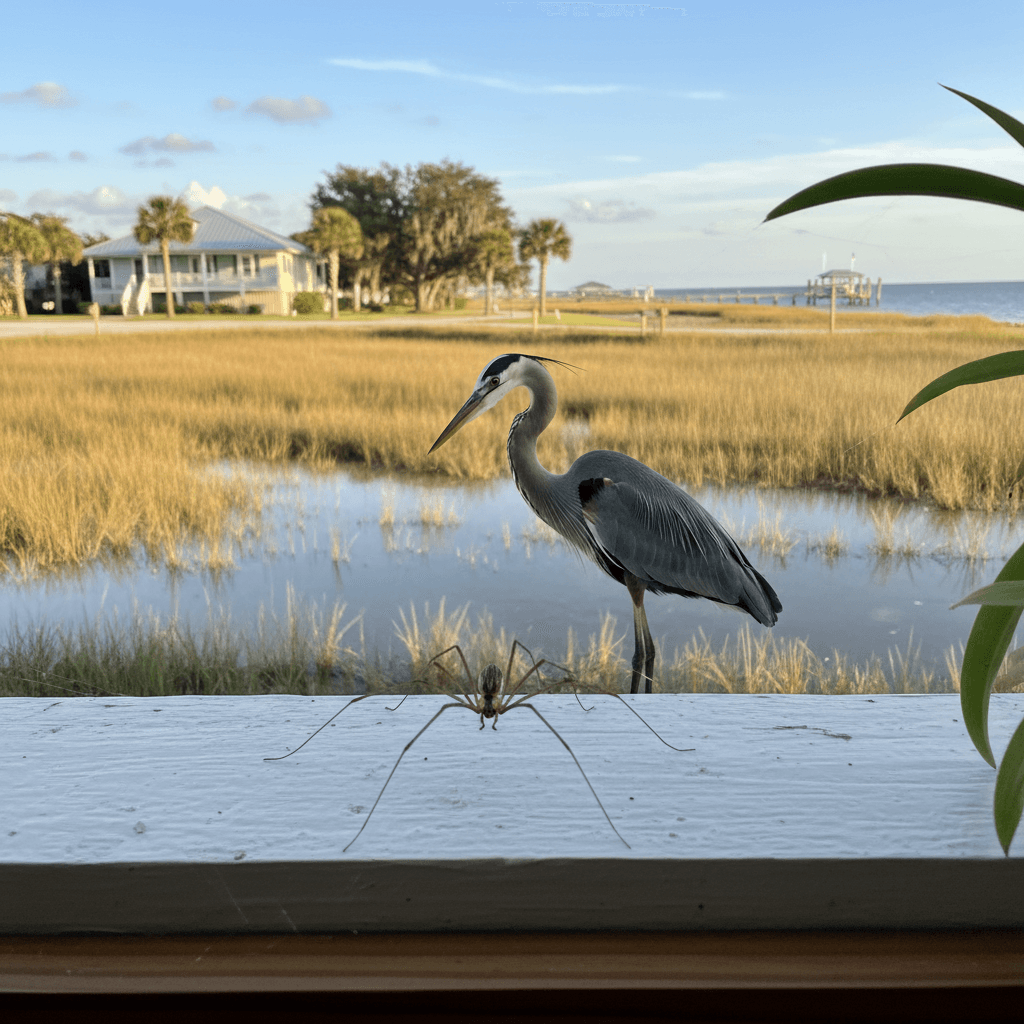
The great blue heron is a large wading bird with a blue-gray body, long legs, and a long, S-shaped neck. Adults have a white face and a black stripe above the eye. They typically stand around 4 feet tall with a wingspan of up to 6 feet.
Signs of Infestation
While not an infestation in the traditional sense, excessive heron presence near ponds or shorelines can indicate an overpopulation of fish or amphibians, potentially impacting the local ecosystem near your Myrtle Beach property. You might observe increased fish predation or disturbed landscaping around water features.
Health Risks
Great blue herons do not pose a direct health risk to humans in Myrtle Beach. However, their droppings can accumulate and become a nuisance. Large amounts of bird droppings can harbor bacteria and fungi, especially in the humid subtropical climate of coastal SC.
Our Treatment Method
As a protected species, direct harm to great blue herons is illegal. MBPC focuses on humane and preventative measures, such as habitat modification and exclusion techniques, adhering to SC Department of Pesticide Regulation guidelines and best practices for wildlife management in the Grand Strand area.
Prevention Tips
If herons are impacting a private pond or water feature, consider installing netting or other physical barriers to deter wading. Remove or reduce artificial feeding sources that may attract them. Consult with MBPC for environmentally conscious strategies to manage heron activity around your Myrtle Beach property.
Habitat
Great blue herons are commonly found in coastal areas, including salt marshes, tidal creeks, and ponds throughout Myrtle Beach and the Grand Strand. The humid subtropical climate and abundance of fish, frogs, and crustaceans provide ideal foraging grounds for these birds. They often nest in colonies near water.
Peak activity: Year-Round
Identification Photos
Frequently Asked Questions About Great Blue Heron
Yes, great blue herons are protected under the Migratory Bird Treaty Act. It is illegal to harm, harass, or kill them. Management strategies must be humane and non-lethal in the Myrtle Beach area.
Their diet primarily consists of fish, but they also eat amphibians, crustaceans, insects, and small mammals. They are opportunistic feeders and will take advantage of available food sources in the Grand Strand's diverse ecosystems.
Netting, decoys (like predator silhouettes), and motion-activated sprinklers are effective, humane deterrents. MBPC can advise on the best approach for your specific property and situation in coastal SC.
Generally, yes. Their presence indicates a healthy population of fish and other aquatic life. However, an overabundance of herons might indicate an imbalance or artificial feeding, which MBPC can help assess in your Myrtle Beach environment.
Don't Let Pests Win.
Take Back Your Home Today.
Every day you wait gives pests more time to multiply and cause damage. Our licensed technicians are ready to help — often the same day you call.
Free Inspection
No cost, no obligation
Same-Day Service
Fast response guaranteed
Eco-Friendly
Safe for family & pets
100% Guarantee
Pests return, so do we
Ready to get started?
Choose how you'd like to connect with us.
Available Mon-Fri 8am-6pm, Sat 9am-2pm