Honey bee
Apis mellifera
insectsHow to Identify
Honey bees are typically golden brown with black stripes and are about ½ to 5/8 inches long. They have fuzzy bodies and carry pollen in pollen baskets on their hind legs. Unlike wasps, honey bees are relatively docile and only sting when threatened.
Signs of Infestation
A honey bee infestation is usually signaled by the presence of a large hive or nest, often found in wall voids, chimneys, or trees. You might also notice a persistent buzzing sound or increased bee activity around your home, particularly near entry points. Large numbers of bees foraging near flowering plants on your property can also indicate a nearby colony.
Health Risks
While honey bees are not aggressive, their stings can be painful and cause allergic reactions in some individuals. In rare cases, a severe allergic reaction (anaphylaxis) can be life-threatening, requiring immediate medical attention. Large hives located close to homes in Myrtle Beach can pose a risk, especially to children and those with known allergies.
Our Treatment Method
MBPC focuses on live honey bee removal and relocation whenever possible, working with local beekeepers to safely transfer colonies. If relocation isn't feasible, we can provide targeted treatments under SC Department of Pesticide Regulation guidelines to eliminate the hive. We prioritize responsible pest control methods to protect these beneficial pollinators along the Grand Strand.
Prevention Tips
Seal any cracks or openings in your home's exterior to prevent bees from entering wall voids. Ensure garbage bins are tightly sealed to avoid attracting bees searching for food sources. Consider planting pollinator-friendly plants away from your home's entrances to encourage bees to forage elsewhere around your Myrtle Beach property.
Habitat
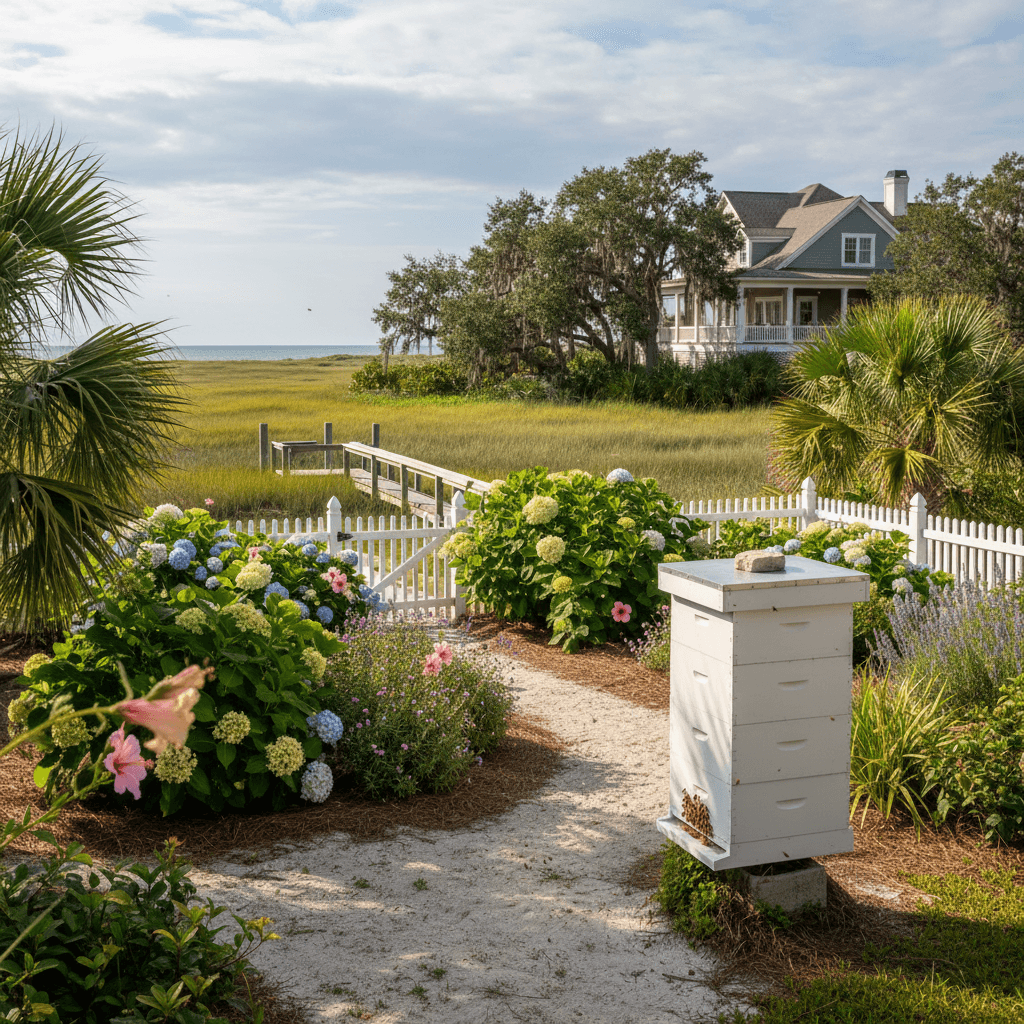
Honey bees thrive in the warm, humid subtropical climate of coastal South Carolina. They build hives in sheltered locations like tree cavities, rock crevices, and occasionally within the walls of homes. In Myrtle Beach, they are commonly found near flowering plants and gardens, salt marshes, and wooded areas.
Peak activity: Spring-Fall
Identification Photos
Frequently Asked Questions About Honey bee
Honey bees are generally docile and only sting when provoked. However, their stings can be painful and cause allergic reactions in some individuals. It's best to avoid disturbing their hives and seek professional assistance for removal, especially in Myrtle Beach neighborhoods.
Do not attempt to remove the hive yourself. Contact Myrtle Beach Pest Control or a local beekeeper for safe removal and relocation options. Disturbing the hive can agitate the bees and increase the risk of stings. We can assess the situation and determine the best course of action for your Grand Strand property.
Honey bees are crucial pollinators, playing a vital role in agriculture and the ecosystem. They pollinate a wide variety of crops and plants, contributing to food production and biodiversity. Protecting honey bee populations is essential for maintaining a healthy environment in Myrtle Beach and beyond.
Yes, MBPC prioritizes live honey bee removal and relocation whenever possible. We work with experienced beekeepers to safely transfer colonies to suitable locations, promoting bee conservation while addressing pest concerns on your property. This is a preferred solution for responsible pest management in our coastal environment.
Don't Let Pests Win.
Take Back Your Home Today.
Every day you wait gives pests more time to multiply and cause damage. Our licensed technicians are ready to help — often the same day you call.
Free Inspection
No cost, no obligation
Same-Day Service
Fast response guaranteed
Eco-Friendly
Safe for family & pets
100% Guarantee
Pests return, so do we
Ready to get started?
Choose how you'd like to connect with us.
Available Mon-Fri 8am-6pm, Sat 9am-2pm