Leafhopper
Cicadellidae
insectsHow to Identify
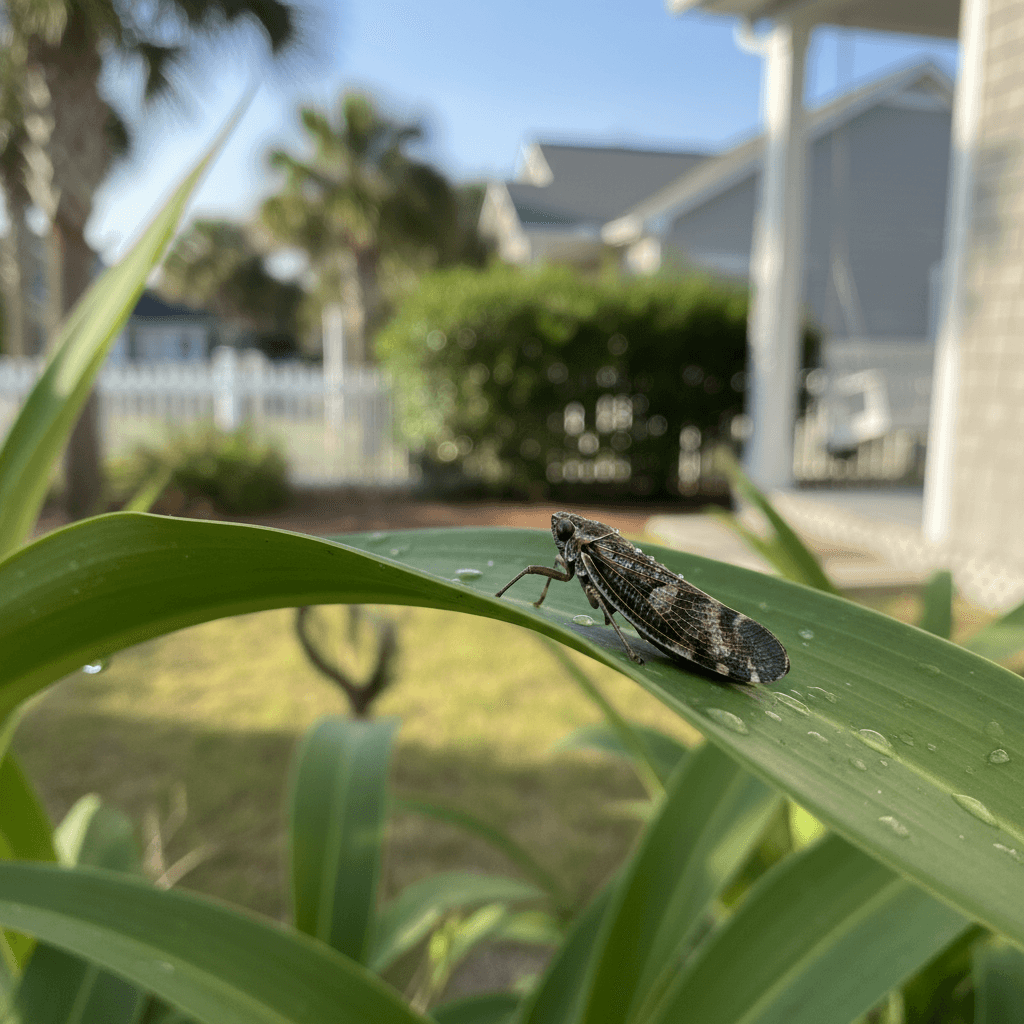
Leafhoppers are small, wedge-shaped insects, typically green or brown, measuring about ¼ inch long. They have piercing-sucking mouthparts and are known for their ability to jump quickly when disturbed. Adults may have distinctive markings or patterns on their wings and bodies.
Signs of Infestation
Signs of a leafhopper infestation include stippled or discolored leaves on plants in your garden or around your Myrtle Beach home. You may also notice leafhopper 'hopperburn' which appears as yellowed or browned leaf tips. In severe cases, plant growth may be stunted.
Health Risks
Leafhoppers do not directly pose a health risk to humans, but they can damage ornamental plants, vegetables, and fruit trees around your Myrtle Beach property. Their feeding can weaken plants, making them more susceptible to disease and other pests, which can impact local gardens.
Our Treatment Method
MBPC offers targeted treatments to control leafhopper populations on your Grand Strand property. Our licensed technicians can apply foliar sprays or systemic insecticides to protect your plants while minimizing environmental impact, as regulated by the SC Department of Pesticide Regulation. Contact us for a consultation.
Prevention Tips
Maintain healthy plants by providing adequate water and fertilizer, as healthy plants are less susceptible to leafhopper damage. Remove weeds and plant debris around your Myrtle Beach garden to reduce leafhopper breeding sites. Use row covers to protect vulnerable plants.
Habitat
Leafhoppers are common in gardens, fields, and landscapes throughout the Myrtle Beach area, thriving in our humid subtropical climate. They are often found on a wide variety of plants, including grasses, shrubs, and trees. They prefer sunny locations with plenty of vegetation.
Peak activity: Spring-Fall
Identification Photos
Frequently Asked Questions About Leafhopper
Yes, leafhoppers can cause damage to your garden plants by sucking sap from leaves, leading to stippling, yellowing, and stunted growth. Severe infestations can weaken plants and reduce yields.
Leafhopper damage typically appears as tiny white or yellow spots (stippling) on leaves. This is different from the more extensive chewing damage caused by caterpillars or the distinct patterns created by spider mites.
Natural methods include attracting beneficial insects like ladybugs and lacewings, using insecticidal soap, and applying neem oil. Regularly inspect your plants for signs of leafhoppers and remove them by hand if possible. These can be supplemented with professional treatment by MBPC.
Leafhopper activity is usually highest during the warmer months, from spring through fall. Regular monitoring of your plants during this period is important to catch infestations early before they cause significant damage.
Don't Let Pests Win.
Take Back Your Home Today.
Every day you wait gives pests more time to multiply and cause damage. Our licensed technicians are ready to help — often the same day you call.
Free Inspection
No cost, no obligation
Same-Day Service
Fast response guaranteed
Eco-Friendly
Safe for family & pets
100% Guarantee
Pests return, so do we
Ready to get started?
Choose how you'd like to connect with us.
Available Mon-Fri 8am-6pm, Sat 9am-2pm