Little Brown Bat
Myotis lucifugus
wildlifeHow to Identify
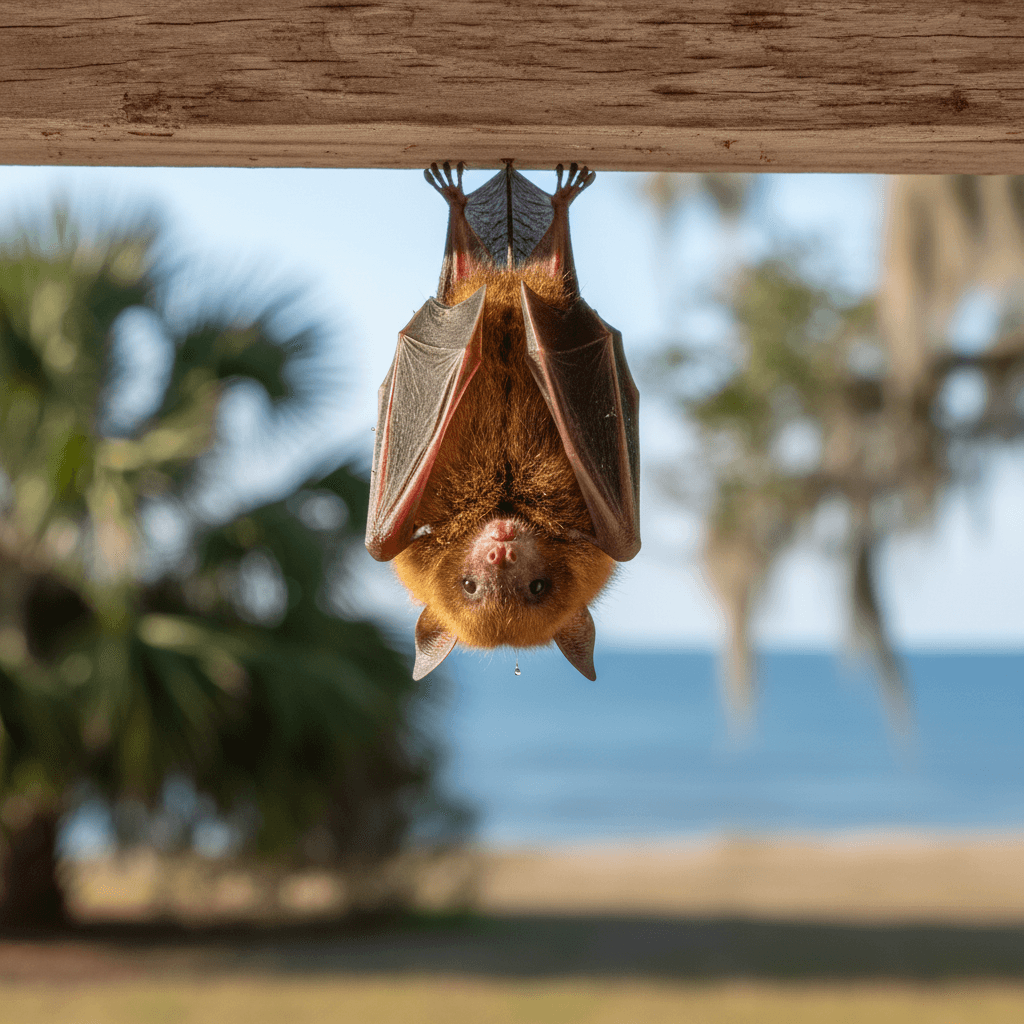
Little brown bats are relatively small, with a body length of about 3-4 inches and a wingspan of 8-11 inches. Their fur is typically glossy brown, and their ears and wing membranes are dark brown to black. They have a characteristic keeled calcar (a cartilaginous spur) along the edge of the tail membrane.
Signs of Infestation
Evidence of little brown bats often includes scattered droppings that resemble mouse droppings but crumble easily. Listen for high-pitched squeaking or scratching noises in attics, walls, or chimneys, especially around dusk and dawn. You may also notice a musky odor associated with larger roosts.
Health Risks
While generally not aggressive, little brown bats can carry rabies and histoplasmosis, a fungal disease spread through their droppings. In Myrtle Beach, their presence in attics or other enclosed spaces can lead to respiratory issues from accumulated guano. Never handle a bat directly, and contact animal control or MBPC for safe removal.
Our Treatment Method
MBPC provides humane bat exclusion services in accordance with SC Department of Pesticide Regulation guidelines. We conduct thorough inspections to identify entry points and seal them with one-way exclusion devices, allowing bats to exit but not re-enter. We also offer guano removal and sanitation services for Myrtle Beach properties, ensuring a safe and healthy environment. Note that bat removal is often restricted during pup season.
Prevention Tips
Seal any cracks or openings in your home's foundation, siding, and roof to prevent bat entry, especially during the fall and spring migration seasons. Ensure that all attic vents and chimneys are properly screened. Trimming trees away from the roofline can also reduce access points for bats around your Grand Strand home.
Habitat
Little brown bats thrive in the humid subtropical climate of coastal South Carolina. They roost in various locations, including attics, barns, tree cavities, and under bridges. They are commonly found near water sources like salt marshes and tidal creeks, where they forage for insects.
Peak activity: Spring-Fall
Identification Photos
Frequently Asked Questions About Little Brown Bat
Yes, like all bats in South Carolina, little brown bats are protected. It is illegal to harm or kill them. MBPC follows strict protocols for humane removal and exclusion, ensuring compliance with state regulations.
Bat exclusion is typically restricted during the pup-rearing season (roughly May through July) to avoid trapping young bats inside structures. Contact MBPC for guidance on timing and regulations in the Myrtle Beach area.
Bat guano can harbor the fungus that causes histoplasmosis, a respiratory infection. Inhaling disturbed guano in poorly ventilated spaces like attics can pose a health risk, particularly for those with compromised immune systems. MBPC offers professional guano removal services.
MBPC uses humane exclusion methods to remove bats from your Myrtle Beach property. We seal entry points with one-way doors, allowing bats to exit but not re-enter. We do not use poisons or traps that could harm the bats or other wildlife.
Don't Let Pests Win.
Take Back Your Home Today.
Every day you wait gives pests more time to multiply and cause damage. Our licensed technicians are ready to help — often the same day you call.
Free Inspection
No cost, no obligation
Same-Day Service
Fast response guaranteed
Eco-Friendly
Safe for family & pets
100% Guarantee
Pests return, so do we
Ready to get started?
Choose how you'd like to connect with us.
Available Mon-Fri 8am-6pm, Sat 9am-2pm