Mallard
Anas platyrhynchos
birdsHow to Identify
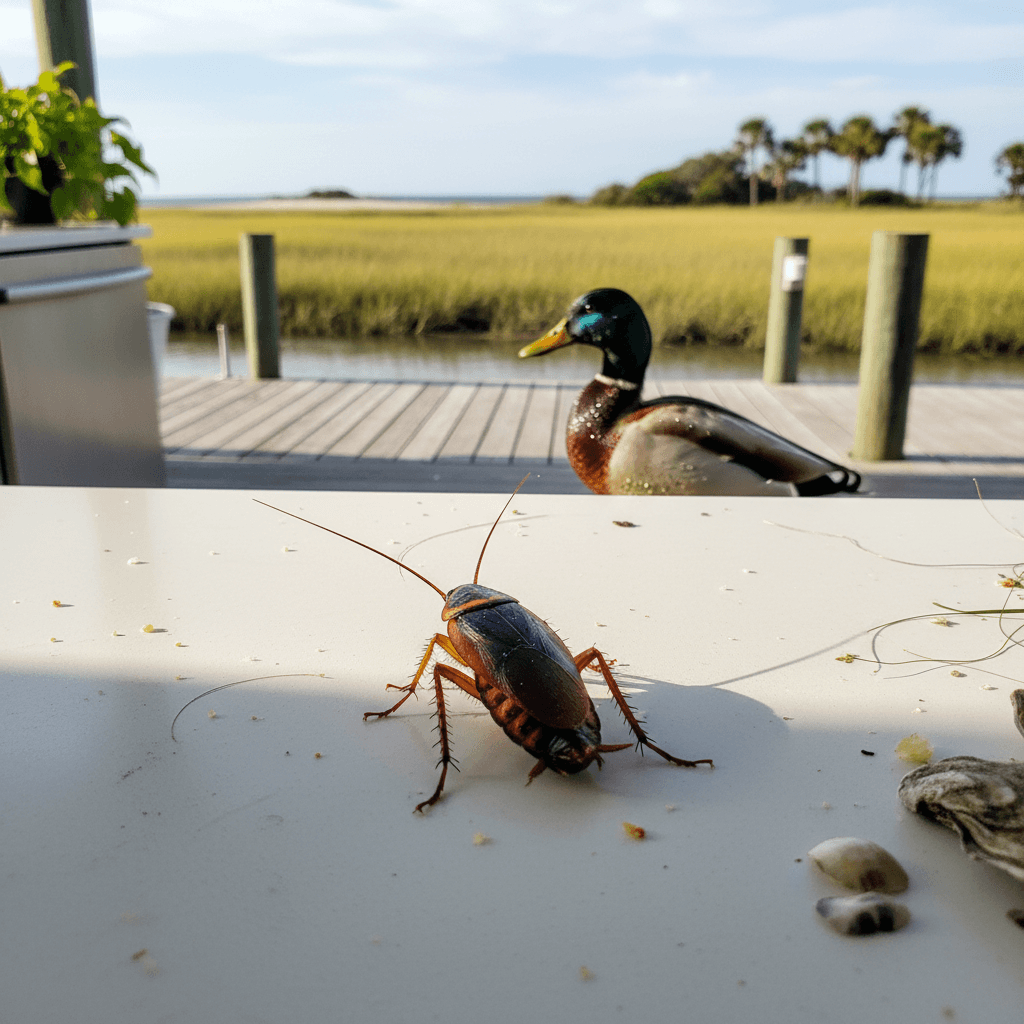
Mallards are large ducks with distinctive coloring. Males have a glossy green head, yellow bill, and grey body, while females are mottled brown with an orange bill. They typically measure 20-26 inches in length.
Signs of Infestation
Mallards can become a nuisance when they congregate in large numbers, leaving droppings on docks, patios, and lawns. Their presence can also lead to property damage as they forage and nest in unwanted areas. Ponds and pools can become contaminated.
Health Risks
While generally harmless, large mallard populations in Myrtle Beach can present minor health concerns due to fecal contamination of water sources and potential spread of diseases to other waterfowl. Their droppings can also create slip-and-fall hazards on walkways.
Our Treatment Method
MBPC does not typically handle mallard removal, as they are protected under federal law. However, we can offer humane deterrent strategies to discourage them from congregating on your Grand Strand property. Contact the SC Department of Natural Resources for assistance with relocating or managing large mallard populations.
Prevention Tips
Avoid feeding mallards, as this encourages them to congregate. Install deterrents such as motion-activated sprinklers or fencing around vulnerable areas of your Myrtle Beach property. Keep your lawn clean to discourage them from foraging.
Habitat
Mallards are common waterfowl in Myrtle Beach, thriving in ponds, marshes, and other aquatic environments. They are often found in residential areas with access to water sources, such as golf course ponds and backyard pools. The mild climate of coastal South Carolina allows them to remain year-round.
Peak activity: Year-Round
Identification Photos
Frequently Asked Questions About Mallard
Yes, mallards are protected under the Migratory Bird Treaty Act. It is illegal to harm, kill, or relocate them without proper permits from the U.S. Fish and Wildlife Service and the SC Department of Natural Resources.
Mallards are attracted to areas with readily available food and water. If you're feeding them, they will continue to return. Ponds, pools, and poorly drained areas also provide ideal habitat in Myrtle Beach.
Making your property less attractive to mallards is key. Remove food sources, install fencing around vulnerable areas, and use motion-activated sprinklers. Contact MBPC for recommendations on humane deterrents suitable for coastal SC properties.
Mallards can carry diseases such as avian influenza and salmonellosis, although transmission to humans is rare. The primary concern in Myrtle Beach is the potential for fecal contamination of water sources and the spread of diseases to other waterfowl.
Don't Let Pests Win.
Take Back Your Home Today.
Every day you wait gives pests more time to multiply and cause damage. Our licensed technicians are ready to help — often the same day you call.
Free Inspection
No cost, no obligation
Same-Day Service
Fast response guaranteed
Eco-Friendly
Safe for family & pets
100% Guarantee
Pests return, so do we
Ready to get started?
Choose how you'd like to connect with us.
Available Mon-Fri 8am-6pm, Sat 9am-2pm