Meadow vole
Microtus pennsylvanicus
wildlifeHow to Identify
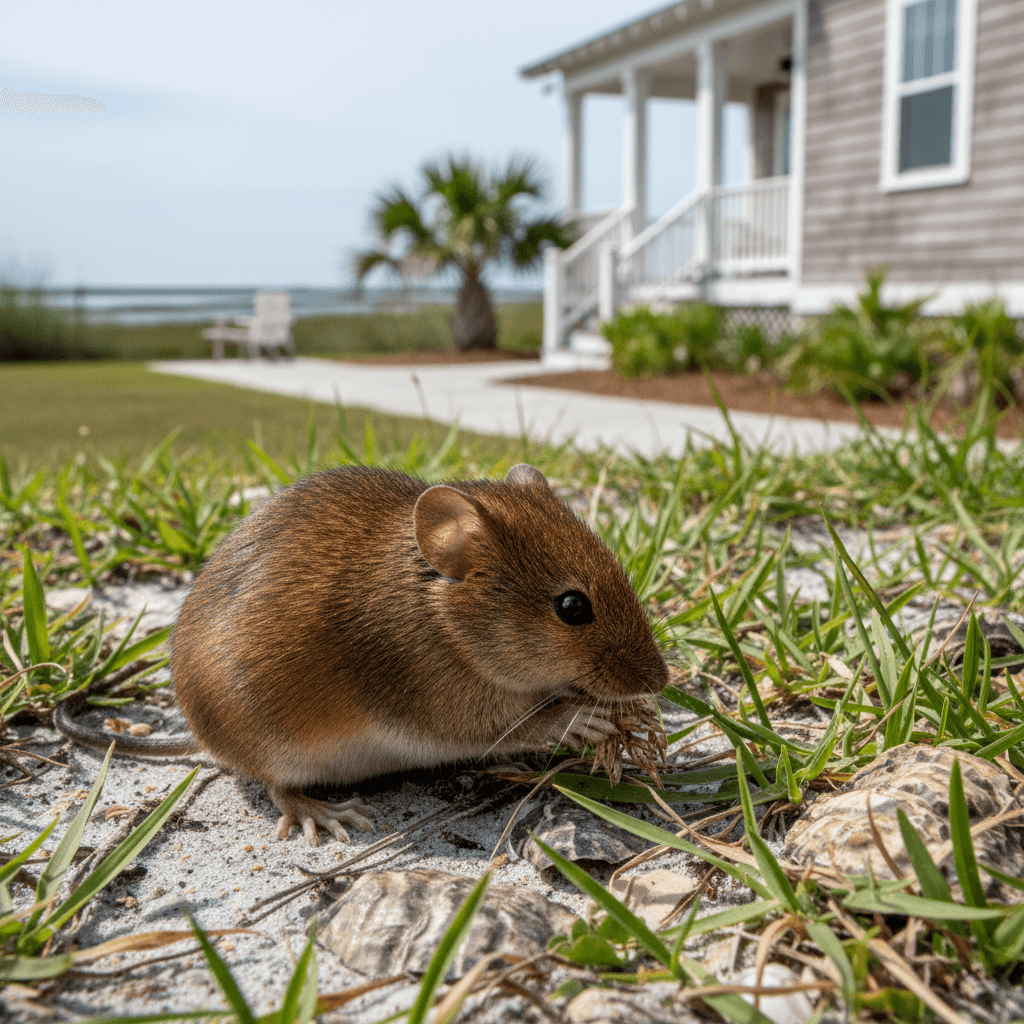
Meadow voles are small rodents with short tails, typically 5-7 inches long including the tail. They have a stocky build, small eyes, and their fur is typically dark brown to grayish-brown, often with a slightly paler underside. Their ears are partially hidden in their fur.
Signs of Infestation
Signs of vole activity include runways or trails of clipped grass, shallow burrows, and small, cylindrical droppings. You might also observe gnaw marks on the lower portions of plants in your Myrtle Beach garden or lawn. Damage to roots and bulbs of ornamental plants can also indicate vole presence.
Health Risks
Meadow voles themselves pose little direct health risk to humans in Myrtle Beach, but they can damage landscaping and gardens. Their burrowing activity can also destabilize soil, potentially creating tripping hazards. While rare, they can carry parasites like ticks and mites.
Our Treatment Method
MBPC can provide trapping and habitat modification recommendations for vole control in accordance with SC Department of Pesticide Regulation guidelines. Exclusion methods, such as fencing, are often the most effective long-term solutions for properties along the Grand Strand. Our technicians can assess your property and advise on the best course of action.
Prevention Tips
Keep your lawn mowed short and remove dense ground cover, such as ivy, to reduce vole habitat. Clear away leaf litter and debris around your foundation and garden beds, as these provide shelter. Consider installing hardware cloth fencing around vulnerable plants in your Myrtle Beach garden.
Habitat
Meadow voles prefer grassy habitats, including lawns, meadows, and fields, which are common in coastal South Carolina. They thrive in areas with dense vegetation and moist soil, often found near marshes and waterways in the Myrtle Beach area. They create shallow underground burrows and surface runways.
Peak activity: Year-Round
Identification Photos
Frequently Asked Questions About Meadow vole
Meadow voles are generally not dangerous to humans, but they can cause damage to lawns and gardens. They can also carry diseases and parasites, so it's best to avoid direct contact. Call MBPC to discuss removal.
Voles create surface runways and shallow burrows, while mice typically nest indoors. Voles also have shorter tails and smaller eyes compared to mice. If you're unsure, call MBPC for an identification in the Myrtle Beach area.
Trapping is an effective method for removing voles, but habitat modification is crucial for long-term control. Reducing ground cover and maintaining a short lawn can discourage voles from establishing in your Myrtle Beach yard.
While not their primary target, voles can sometimes gnaw on underground irrigation lines while burrowing. Protecting vulnerable lines and monitoring for vole activity can help prevent damage to your Myrtle Beach sprinkler systems.
Don't Let Pests Win.
Take Back Your Home Today.
Every day you wait gives pests more time to multiply and cause damage. Our licensed technicians are ready to help — often the same day you call.
Free Inspection
No cost, no obligation
Same-Day Service
Fast response guaranteed
Eco-Friendly
Safe for family & pets
100% Guarantee
Pests return, so do we
Ready to get started?
Choose how you'd like to connect with us.
Available Mon-Fri 8am-6pm, Sat 9am-2pm