
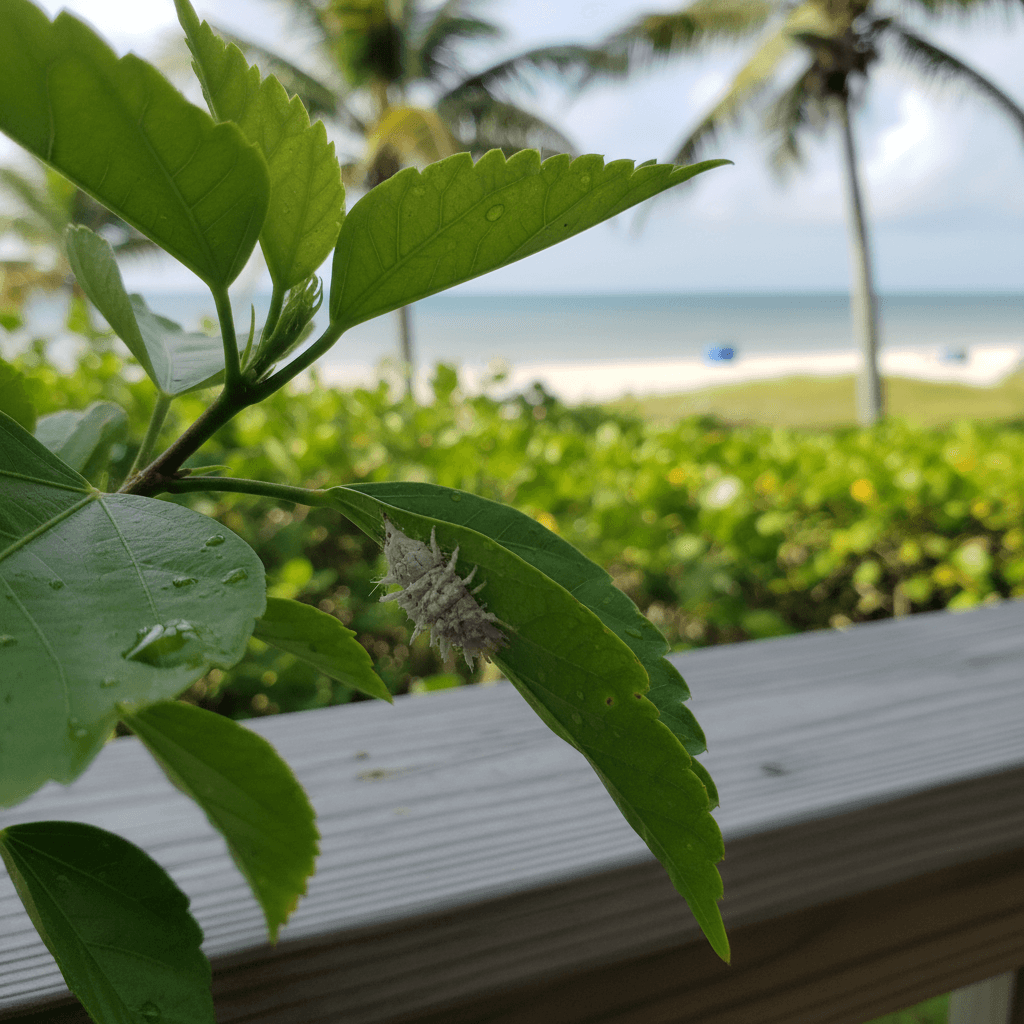
Mealybug
Pseudococcus longispinus
insectsHow to Identify
Mealybugs are small, soft-bodied insects covered in a white, cottony wax. They are typically oval-shaped and slow-moving, often found in clusters on plant stems and undersides of leaves. Adult females are wingless and produce an egg sac covered in the same waxy material.
Signs of Infestation
Look for white, cottony masses on plants, especially in warm, sheltered areas. Infested plants may exhibit stunted growth, yellowing leaves, and a sticky substance called honeydew, which can attract ants and promote the growth of sooty mold. Severe infestations can cause leaf drop and even plant death.
Health Risks
Mealybugs do not directly pose a health risk to humans or pets in Myrtle Beach. However, their feeding can weaken plants, making them more susceptible to disease and other pests. The honeydew they secrete can also create a sticky mess and attract other unwanted insects.
Our Treatment Method
MBPC offers targeted treatments for mealybug infestations, focusing on safe and effective solutions for your landscape. Our licensed technicians can apply insecticidal soaps or horticultural oils to suffocate the pests, following SC Department of Pesticide Regulation guidelines. Regular monitoring and proper plant care are also crucial for preventing future outbreaks on your Grand Strand property.
Prevention Tips
Inspect new plants for mealybugs before introducing them to your garden. Provide proper spacing between plants to improve air circulation and reduce humidity, a key factor in Myrtle Beach. Regularly wash plants with a strong stream of water to dislodge mealybugs and prevent infestations.
Habitat
Mealybugs thrive in the warm, humid conditions of Myrtle Beach, SC. They are commonly found on a wide variety of ornamental plants, shrubs, and fruit trees in gardens and landscapes. They prefer sheltered locations with good humidity, making greenhouses and indoor plants particularly vulnerable in our coastal climate.
Peak activity: Year-Round
Identification Photos
Frequently Asked Questions About Mealybug
Mealybugs are commonly found on citrus trees, gardenias, hibiscus, and succulents in the Myrtle Beach area. They also infest indoor houseplants like orchids and ferns. Regular inspection of these plants is key to early detection.
Yes, mealybugs can infest vegetable plants, particularly tomatoes, peppers, and cucumbers. They suck sap from the plants, weakening them and reducing yields. Keeping your garden free of weeds and debris can help prevent infestations in your Myrtle Beach garden.
Isolate infested plants to prevent the spread of mealybugs to other plants. Wipe mealybugs off with a cotton swab dipped in rubbing alcohol, or use insecticidal soap. Consider repotting the plant with fresh soil to remove any eggs or larvae in the soil, and always follow the directions on any pesticide product.
The humid subtropical climate of Myrtle Beach provides ideal conditions for mealybugs to thrive year-round. Their waxy coating protects them from many insecticides, making them difficult to control. A combination of cultural practices and targeted treatments from MBPC is often necessary for effective management.
Don't Let Pests Win.
Take Back Your Home Today.
Every day you wait gives pests more time to multiply and cause damage. Our licensed technicians are ready to help — often the same day you call.
Free Inspection
No cost, no obligation
Same-Day Service
Fast response guaranteed
Eco-Friendly
Safe for family & pets
100% Guarantee
Pests return, so do we
Ready to get started?
Choose how you'd like to connect with us.
Available Mon-Fri 8am-6pm, Sat 9am-2pm