Moose
Alces alces
wildlifeHow to Identify
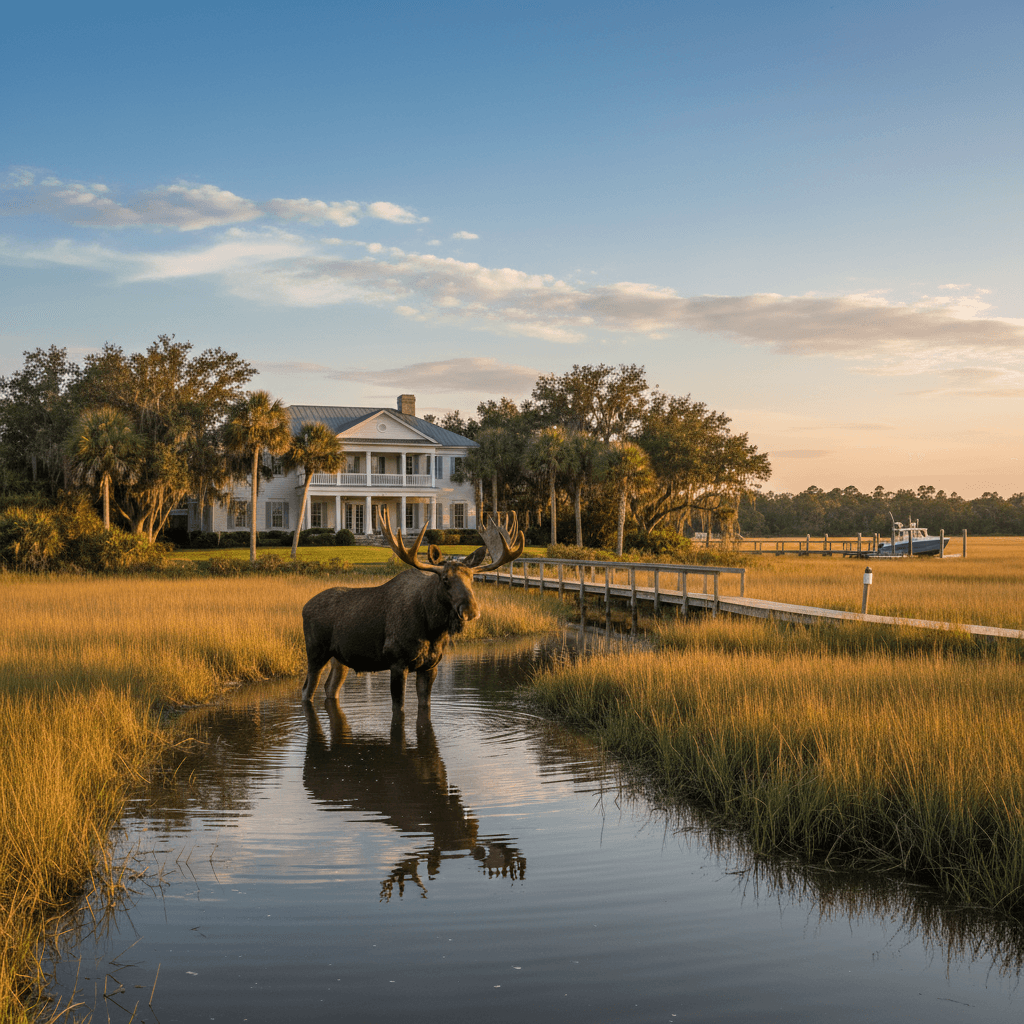
Moose are the largest members of the deer family, characterized by their dark brown to black fur, long legs, and a distinctive overhanging snout. Males (bulls) have impressive palmate antlers, which they shed annually. Adult moose can stand up to 6 feet tall at the shoulder.
Signs of Infestation
While not typical 'infestations,' signs of moose presence near Myrtle Beach properties would include large hoof prints, stripped bark on trees, and significant browsing on vegetation. Droppings, which are large and oval-shaped, may also be visible. Damage to fences or gardens might also indicate moose activity.
Health Risks
Although rare in Myrtle Beach, moose can pose a risk due to their size and unpredictable behavior. They are more likely to be encountered further inland or during unusual migratory events. Contact with a moose can result in injury, particularly if the animal feels threatened or is protecting its young.
Our Treatment Method
As a wildlife control matter, MBPC does not directly handle moose. If a moose is posing an immediate threat to safety near Myrtle Beach, contact local animal control or the SC Department of Natural Resources (SCDNR). Preventing attraction through proper landscaping and reporting sightings are key.
Prevention Tips
Due to the rarity of moose in Myrtle Beach, prevention focuses on general wildlife awareness. If traveling inland or upstate, avoid approaching moose, especially during mating season (fall) or if they have calves. Keep a safe distance and never attempt to feed them.
Habitat
Moose are not native to coastal South Carolina and are exceedingly rare in the Myrtle Beach area. Their typical habitat includes boreal and mixed deciduous forests with access to wetlands, ponds, and streams. Sightings would be extremely unusual given the humid subtropical climate and coastal geography of the Grand Strand.
Peak activity: Fall-Winter
Identification Photos
Frequently Asked Questions About Moose
It is extremely unlikely to see a moose in the Myrtle Beach area. They are not native to the coastal plain of South Carolina and their natural habitat is much further north and west.
If, against all odds, you encounter a moose near Myrtle Beach, maintain a safe distance and do not approach it. Contact local authorities or the SC Department of Natural Resources (SCDNR) to report the sighting.
Moose can be dangerous, especially if they feel threatened or are protecting their young. While rare, they can charge if provoked. Never approach or attempt to feed a moose.
MBPC does not handle moose or other large wildlife removal. Our services focus on common household pests in the Grand Strand area. Contact SCDNR or a specialized wildlife removal service for assistance with large animals.
Don't Let Pests Win.
Take Back Your Home Today.
Every day you wait gives pests more time to multiply and cause damage. Our licensed technicians are ready to help — often the same day you call.
Free Inspection
No cost, no obligation
Same-Day Service
Fast response guaranteed
Eco-Friendly
Safe for family & pets
100% Guarantee
Pests return, so do we
Ready to get started?
Choose how you'd like to connect with us.
Available Mon-Fri 8am-6pm, Sat 9am-2pm