Northern Flicker
Colaptes auratus
birdsHow to Identify
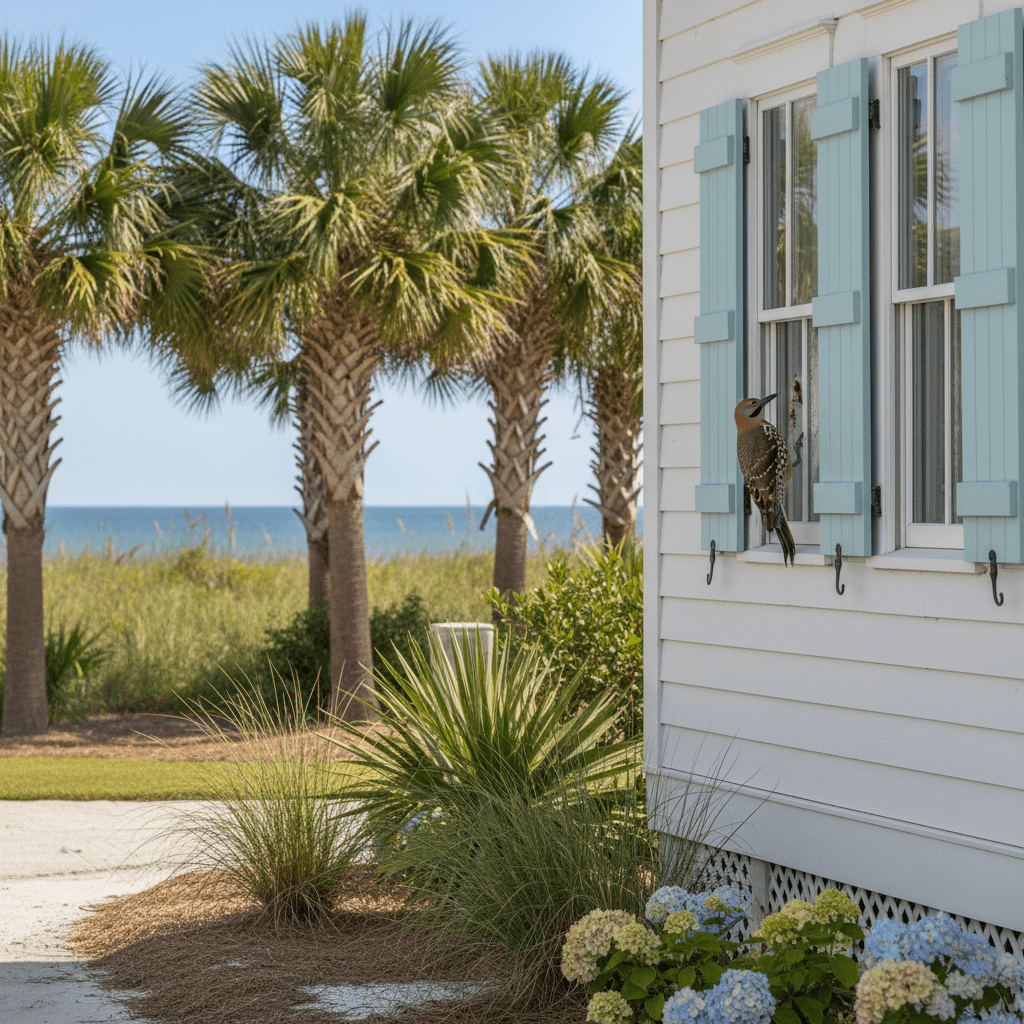
Northern flickers are medium-sized woodpeckers with a brown back, spotted underparts, and a black bib. They have a distinctive white rump patch visible in flight. Male flickers in the eastern US have a black 'mustache' mark on their cheeks.
Signs of Infestation
The primary sign of a Northern flicker 'infestation' is the presence of drumming or pecking on the sides of homes, particularly on wood siding or trim. They may also create holes in search of insects or to excavate nesting cavities. Loud, persistent drumming can be a nuisance for Myrtle Beach homeowners.
Health Risks
Northern flickers do not pose a direct health risk to humans. However, the damage they cause to siding can lead to water damage and mold growth, potentially affecting indoor air quality. The noise they create can also be disruptive, especially during nesting season in the Grand Strand area.
Our Treatment Method
MBPC does not directly handle bird control, as flickers are protected under the Migratory Bird Treaty Act. Our licensed technicians can offer exclusion advice and recommend reputable wildlife control services in the Myrtle Beach area that comply with SC Department of Pesticide Regulation guidelines for dealing with nuisance birds.
Prevention Tips
Install bird netting or other physical barriers over vulnerable areas of your home's siding. Reduce insect populations around your home by removing decaying wood and debris. Consult with a qualified wildlife professional about non-lethal deterrents approved for use in South Carolina.
Habitat
Northern flickers are common in wooded areas, parks, and suburban environments throughout coastal South Carolina. They are often seen foraging for insects on the ground, a habit that makes them more visible than other woodpeckers. They adapt well to the humid subtropical climate of the Grand Strand.
Peak activity: Year-Round
Identification Photos
Frequently Asked Questions About Northern Flicker
Northern flickers drum for several reasons: to attract a mate, to establish territory, or to excavate a nest cavity. The behavior is most common during spring mating season in Myrtle Beach, and unfortunately your home may just sound good to them!
Yes, Northern flickers are protected under the Migratory Bird Treaty Act. It is illegal to disturb or destroy their nests without a permit. Contact a licensed wildlife professional for advice on humane and legal solutions in the Myrtle Beach area.
While the damage is typically cosmetic, persistent pecking can create holes in wood siding, trim, and even stucco. These holes can allow moisture to enter, leading to more serious problems like rot and mold, which are common issues in humid Myrtle Beach homes.
Consider using visual deterrents such as reflective tape or Mylar balloons near affected areas. Also, ensuring your siding is in good repair can make it less attractive to flickers. For serious problems, consult a wildlife control specialist familiar with SC regulations.
Don't Let Pests Win.
Take Back Your Home Today.
Every day you wait gives pests more time to multiply and cause damage. Our licensed technicians are ready to help — often the same day you call.
Free Inspection
No cost, no obligation
Same-Day Service
Fast response guaranteed
Eco-Friendly
Safe for family & pets
100% Guarantee
Pests return, so do we
Ready to get started?
Choose how you'd like to connect with us.
Available Mon-Fri 8am-6pm, Sat 9am-2pm