Pine Vole
Microtus pinetorum
wildlifeHow to Identify
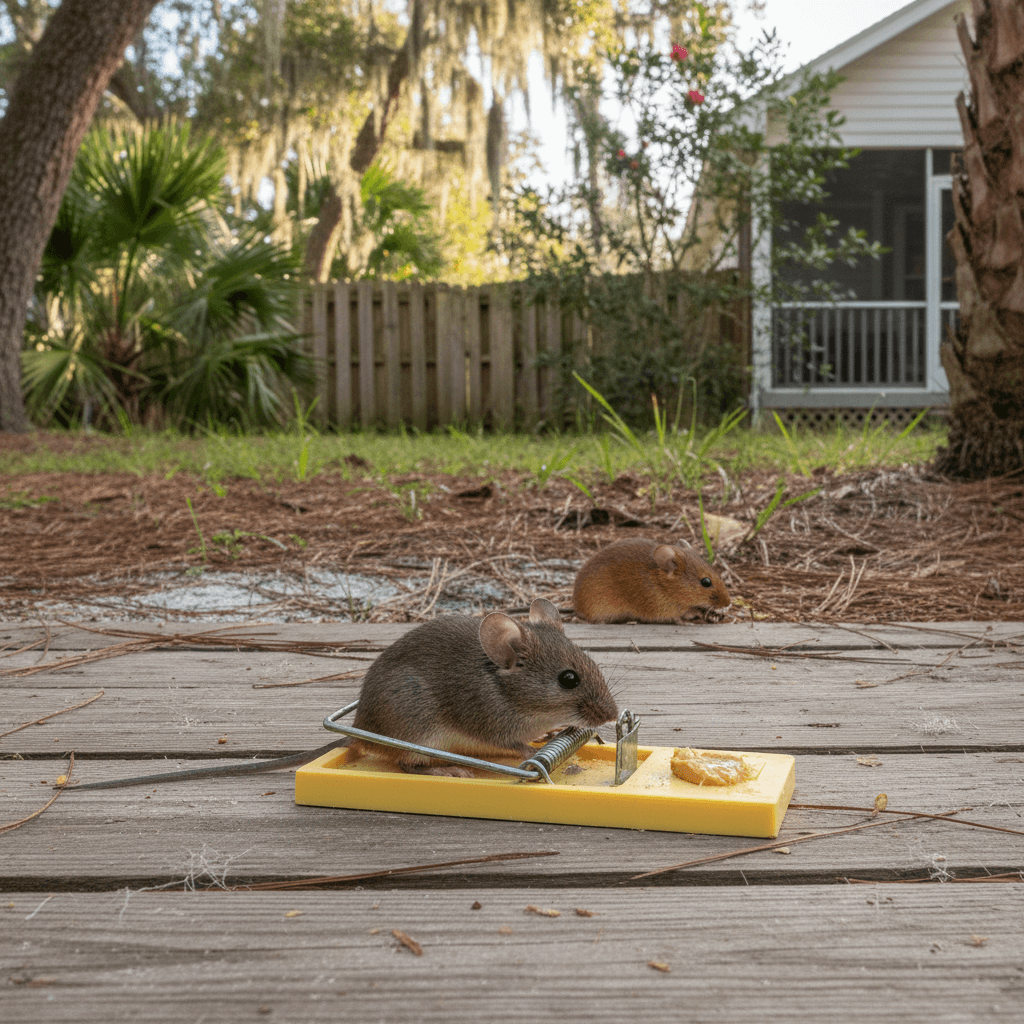
Pine voles are small, stocky rodents with short tails and reddish-brown fur. They are about 3-5 inches long, with a blunt nose and small eyes and ears that are partially hidden by their fur. Their cylindrical body shape helps them navigate underground tunnels.
Signs of Infestation
Look for raised ridges of soil on the surface of your lawn or garden, indicating shallow tunnels. You might also notice damaged plant roots, girdled tree trunks, or small, dime-sized exit holes in the ground. Pine vole damage is often mistaken for mole activity, especially in sandy Myrtle Beach yards.
Health Risks
Pine voles don't pose a direct health risk to humans, but their burrowing activity can damage lawns, gardens, and ornamental plants around your Myrtle Beach home. Their tunnels can also create tripping hazards and destabilize walkways or patios.
Our Treatment Method
MBPC can assess vole activity and recommend appropriate control measures for your Grand Strand property. Trapping is often effective, and licensed technicians can also apply baits or repellents according to SC Department of Pesticide Regulation guidelines. Our team will focus on minimizing environmental impact while protecting your landscape.
Prevention Tips
Remove ground cover and leaf litter around the base of trees and shrubs to reduce vole harborage. Consider installing hardware cloth barriers around vulnerable plants, burying the bottom edge several inches deep in the ground. Regular lawn maintenance and proper irrigation can also help deter vole activity in your Myrtle Beach yard.
Habitat
Pine voles prefer loose, well-drained soil in wooded areas, orchards, and lawns, making the sandy soils of coastal South Carolina ideal habitat. They create extensive underground tunnel systems, feeding on plant roots, tubers, and bulbs. They are active year-round in the mild, humid subtropical climate of Myrtle Beach.
Peak activity: Year-Round
Identification Photos
Frequently Asked Questions About Pine Vole
No, pine voles are rodents, while moles are insectivores. Voles primarily eat plants, while moles eat insects and earthworms. Pine voles create shallow tunnels and often damage plants, while moles create deeper tunnels and primarily disrupt the soil.
Pine voles damage plants by feeding on their roots, tubers, and bulbs. This can weaken or kill plants, especially young trees and ornamental shrubs in your Myrtle Beach garden. They can also girdle tree trunks, which can eventually kill the tree.
Pine voles create shallow, raised tunnels that are visible on the surface of the ground. Look for dime-sized exit holes and damaged plant roots. If you're unsure, call MBPC for a professional inspection of your Grand Strand property.
Yes, pine voles are common in the sandy soils and wooded areas of Myrtle Beach and the surrounding Grand Strand. Their populations can fluctuate depending on weather conditions and food availability, but they are a persistent pest for many homeowners.
Don't Let Pests Win.
Take Back Your Home Today.
Every day you wait gives pests more time to multiply and cause damage. Our licensed technicians are ready to help — often the same day you call.
Free Inspection
No cost, no obligation
Same-Day Service
Fast response guaranteed
Eco-Friendly
Safe for family & pets
100% Guarantee
Pests return, so do we
Ready to get started?
Choose how you'd like to connect with us.
Available Mon-Fri 8am-6pm, Sat 9am-2pm