
Red wolf
Canis rufus
wildlifeHow to Identify
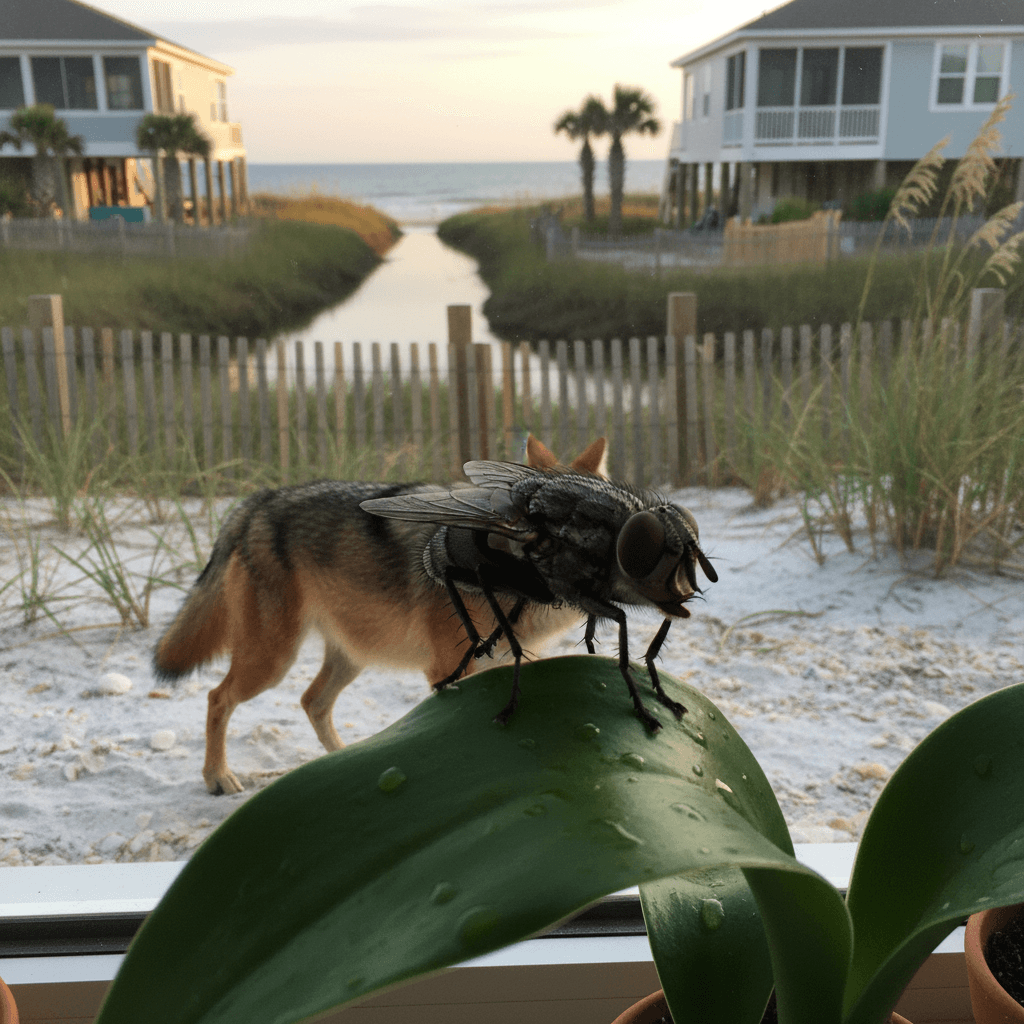
Red wolves are medium-sized canids with a reddish-tawny coat, long legs, and large ears. They are smaller and more slender than gray wolves, with a narrower snout. Adults typically weigh between 40 and 90 pounds.
Signs of Infestation
Red wolves are extremely rare in the Myrtle Beach area and are not considered a household pest. Sightings or presence is typically indicated by tracks, scat (droppings), or auditory signs such as howling. Any suspected sightings should be reported to local wildlife authorities.
Health Risks
Red wolves pose minimal direct health risks to humans in Myrtle Beach, as they are generally shy and avoid contact. However, they are wild animals and should be observed from a distance. Their presence in residential areas might indicate an imbalance in the local ecosystem.
Our Treatment Method
As a protected species, control or removal of red wolves is strictly regulated by state and federal agencies, and is not a service offered by MBPC. Any concerns about red wolf presence should be directed to the SC Department of Natural Resources and US Fish and Wildlife Service.
Prevention Tips
Due to their endangered status and rarity in the Myrtle Beach area, preventative measures are not applicable. Supporting local conservation efforts and respecting wildlife habitats are the best ways to ensure the continued existence of this species in South Carolina and beyond.
Habitat
Historically, red wolves ranged across the southeastern United States, but they are now extremely rare. While not a common species in the immediate Myrtle Beach area, they might occasionally traverse coastal areas and forests, especially near wildlife refuges or protected lands.
Peak activity: Year-Round
Identification Photos
Frequently Asked Questions About Red wolf
While red wolves are unlikely to be encountered in most residential areas of Myrtle Beach, they are wild animals and could pose a threat to small pets if given the opportunity. Keep pets leashed and supervised, especially near forested areas.
Observe the animal from a distance and do not approach it. Contact the South Carolina Department of Natural Resources to report the sighting. Provide the location and a description of the animal's behavior.
Yes, red wolves are a federally endangered species and are protected by law. It is illegal to harm, harass, or kill them. Conservation efforts are in place to help restore their population.
Support local conservation organizations that work to protect wildlife habitats and educate the public about red wolf conservation. Practice responsible pet ownership and avoid disturbing wildlife areas.
Don't Let Pests Win.
Take Back Your Home Today.
Every day you wait gives pests more time to multiply and cause damage. Our licensed technicians are ready to help — often the same day you call.
Free Inspection
No cost, no obligation
Same-Day Service
Fast response guaranteed
Eco-Friendly
Safe for family & pets
100% Guarantee
Pests return, so do we
Ready to get started?
Choose how you'd like to connect with us.
Available Mon-Fri 8am-6pm, Sat 9am-2pm