Salamander
Ambystoma maculatum
amphibiansHow to Identify
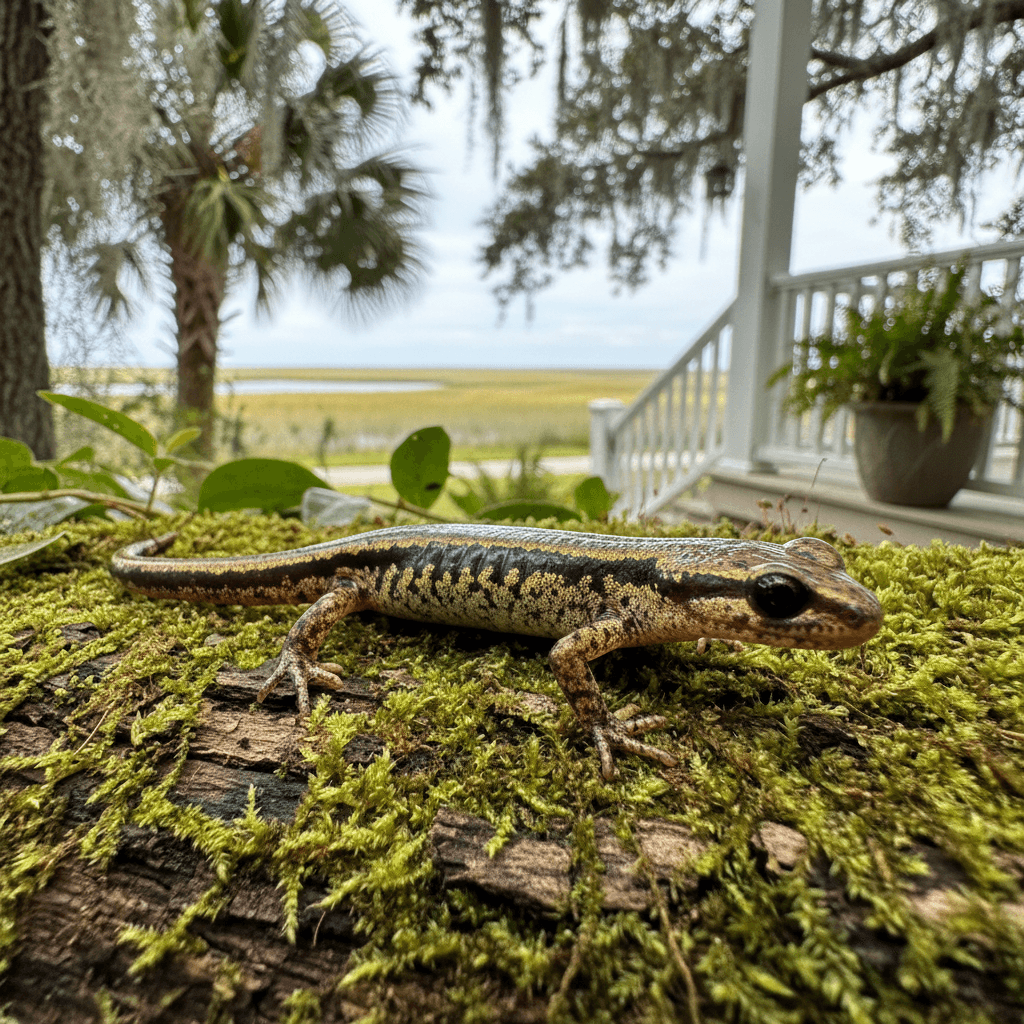
Salamanders are amphibians with elongated bodies, short legs, and moist skin. They vary in color, often displaying mottled patterns of black, brown, or yellow. Most species in the Myrtle Beach area are relatively small, ranging from a few inches to about a foot in length.
Signs of Infestation
Salamanders are not typically considered an infestation pest, but their presence indoors may indicate moisture problems. Look for them in damp basements, under sinks, or in crawl spaces. Their presence might also suggest entry points in your foundation or siding that need addressing.
Health Risks
Salamanders in Myrtle Beach pose minimal direct health risks. They are non-toxic to touch, but it's always a good practice to wash your hands after handling any amphibian. Their presence can indirectly indicate moisture issues which can promote mold growth, potentially affecting respiratory health in sensitive individuals.
Our Treatment Method
MBPC does not typically treat for salamanders as they are generally harmless and beneficial. We focus on addressing the conditions that attract them, such as moisture issues. Our licensed technicians can assess your Grand Strand property, identify entry points, and recommend solutions to reduce humidity and prevent salamanders from entering your home.
Prevention Tips
Reduce moisture around your Myrtle Beach home by fixing leaky pipes and improving drainage. Seal cracks and openings in your foundation and around pipes to prevent salamanders from entering. Clear away leaf litter and debris from around your foundation to reduce harborage areas near your home.
Habitat
Salamanders thrive in the humid subtropical climate and moist environments of coastal South Carolina. They are commonly found under logs, rocks, and leaf litter in wooded areas, gardens, and near streams or ponds. The sandy soils and frequent rainfall in Myrtle Beach create ideal conditions for many salamander species.
Peak activity: Year-Round
Identification Photos
Frequently Asked Questions About Salamander
Most salamanders in the Myrtle Beach area are not poisonous to the touch, but they can secrete irritating substances as a defense mechanism. Always wash your hands after handling a salamander.
Salamanders are likely seeking moisture and shelter. Check for leaky pipes, inadequate drainage, and entry points in your foundation that may be attracting them to your Myrtle Beach home.
Yes, salamanders are beneficial in your yard as they eat insects, slugs, and other pests. They contribute to the ecosystem's natural pest control in your Myrtle Beach garden.
The best approach is to address the moisture issue attracting them. Seal entry points and relocate them outside, away from your house. Contact MBPC for an inspection to identify the root cause of the problem on your property.
Don't Let Pests Win.
Take Back Your Home Today.
Every day you wait gives pests more time to multiply and cause damage. Our licensed technicians are ready to help — often the same day you call.
Free Inspection
No cost, no obligation
Same-Day Service
Fast response guaranteed
Eco-Friendly
Safe for family & pets
100% Guarantee
Pests return, so do we
Ready to get started?
Choose how you'd like to connect with us.
Available Mon-Fri 8am-6pm, Sat 9am-2pm