Sand Fly
Culicoides furens
insectsHow to Identify
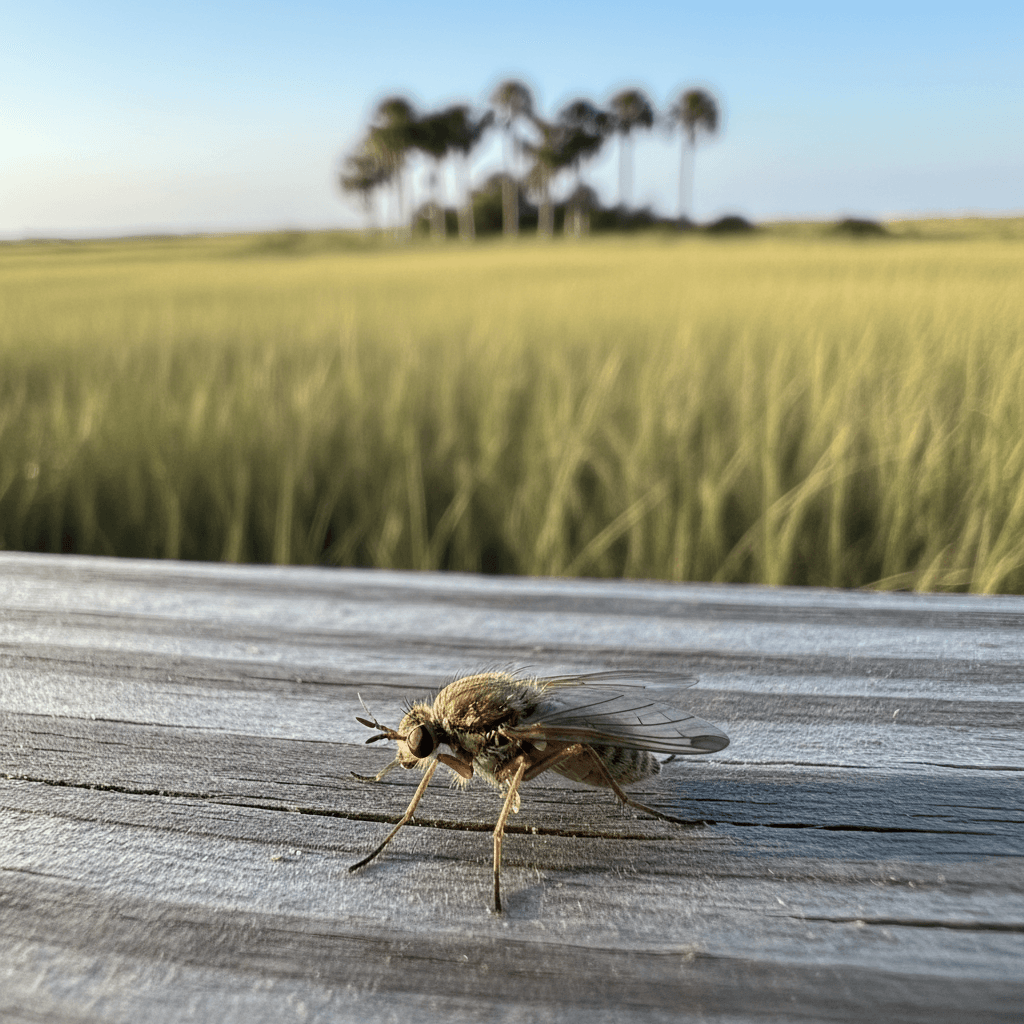
Sand flies are tiny, biting flies, typically only 1-3 mm long, with a characteristic humped thorax and hairy wings. They are pale yellow to brown and possess piercing-sucking mouthparts used by females to feed on blood. Unlike mosquitoes, they are weak fliers and tend to hop or jump rather than fly long distances.
Signs of Infestation
You may notice increased biting activity, especially at dawn and dusk, near coastal areas, salt marshes, or standing water. Look for small red welts on exposed skin after being outdoors. Sand flies are difficult to spot due to their small size, but their persistent bites are a clear indicator of their presence near your Myrtle Beach property.
Health Risks
While sand flies in Myrtle Beach do not transmit diseases like those in tropical regions, their bites are extremely itchy and irritating. The bites can cause significant discomfort and secondary infections from scratching are possible, especially for children. Allergic reactions to sand fly bites can also occur, leading to more severe symptoms.
Our Treatment Method
MBPC offers barrier treatments to reduce sand fly populations around your Grand Strand home. Our licensed technicians apply EPA-approved insecticides to vegetation and potential breeding sites. Regular treatments, particularly during peak season, can significantly minimize sand fly activity. Contact MBPC for a consultation and customized treatment plan to address sand fly issues on your property in accordance with SC Department of Pesticide Regulation guidelines.
Prevention Tips
Minimize standing water around your property to reduce breeding sites. Wear long sleeves and pants during peak activity times (dawn and dusk) when outdoors. Use insect repellent containing DEET or picaridin, especially when visiting coastal areas or salt marshes near Myrtle Beach.
Habitat
Sand flies thrive in the humid subtropical climate and coastal environments of Myrtle Beach. They breed in moist areas, including salt marshes, tidal creeks, mangrove swamps, and damp soil rich in organic matter. These pests are most active near the coast and in areas with dense vegetation, commonly found throughout the Grand Strand.
Peak activity: Spring-Fall
Identification Photos
Frequently Asked Questions About Sand Fly
While Myrtle Beach sand flies don't transmit diseases like those in other parts of the world, their bites are intensely itchy and can cause significant discomfort. Scratching can lead to secondary infections, so it's important to keep the bites clean.
Sand flies are attracted to moisture, standing water, and dense vegetation. Properties near salt marshes, tidal creeks, or with poor drainage are particularly susceptible in the Myrtle Beach area. They also are attracted to carbon dioxide and body heat.
Wear protective clothing (long sleeves and pants) during peak activity times, use insect repellent with DEET, and avoid being near salt marshes or standing water, especially at dawn and dusk in coastal SC. Consider professional mosquito and sand fly control services from MBPC.
Sand flies are much smaller than mosquitoes and tend to hop or jump rather than fly long distances. Their bites are often more painful and itchy, and they are most active near coastal areas and salt marshes in Myrtle Beach. Mosquitoes can breed in any standing water.
Don't Let Pests Win.
Take Back Your Home Today.
Every day you wait gives pests more time to multiply and cause damage. Our licensed technicians are ready to help — often the same day you call.
Free Inspection
No cost, no obligation
Same-Day Service
Fast response guaranteed
Eco-Friendly
Safe for family & pets
100% Guarantee
Pests return, so do we
Ready to get started?
Choose how you'd like to connect with us.
Available Mon-Fri 8am-6pm, Sat 9am-2pm