Silver-haired Bat
Lasionycteris noctivagans
wildlifeHow to Identify
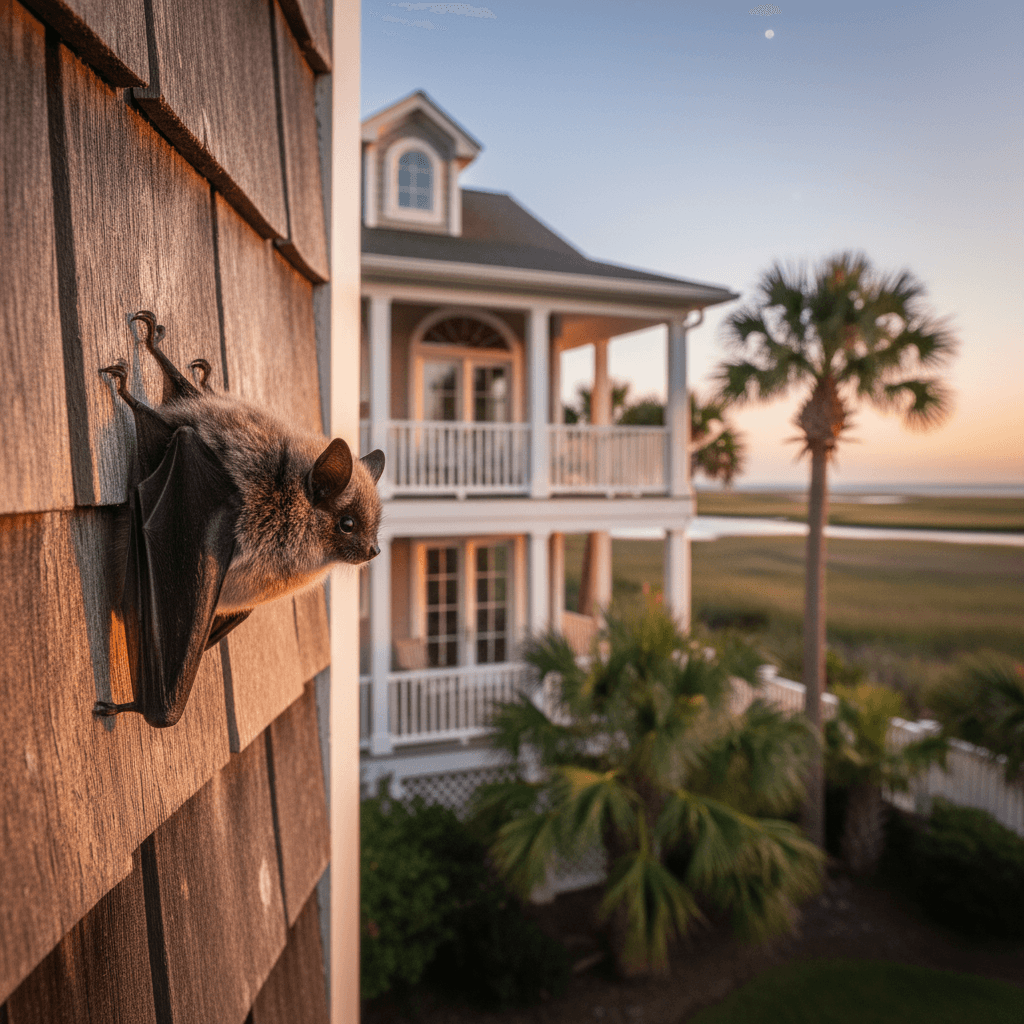
Silver-haired bats are medium-sized bats with distinctive black fur tipped with silver, giving them a frosted appearance. They have short, rounded ears and a relatively slow, fluttering flight pattern. Their wingspan typically ranges from 10 to 12 inches.
Signs of Infestation
Signs of silver-haired bats in a home include the presence of droppings (guano), often found near entry points such as attics or garages. You might also hear faint scratching or squeaking noises at dusk or dawn as they enter or exit the structure. A musky odor can also indicate their presence.
Health Risks
While silver-haired bats are not aggressive, they can carry rabies, like other mammals. Direct contact should be avoided. Their droppings can also pose a health risk if accumulated in large quantities, potentially causing respiratory issues, especially in humid Myrtle Beach environments where mold growth is common.
Our Treatment Method
MBPC does not perform bat exclusions due to state and federal regulations protecting bats. However, we can inspect for entry points and provide recommendations for humane exclusion methods by licensed wildlife professionals. Contacting the SC Department of Natural Resources is also recommended before any exclusion work.
Prevention Tips
Seal any cracks or openings in your home's exterior, especially around the roofline, eaves, and chimneys. Ensure that attic vents are properly screened to prevent bats from entering. Eliminate standing water around your Myrtle Beach property to reduce insect populations, their primary food source.
Habitat
Silver-haired bats are found throughout North America and are migratory. In coastal South Carolina, they often roost in tree cavities, under loose bark, or in rock crevices. They may also seek shelter in buildings, especially in rural or wooded areas of the Grand Strand.
Peak activity: Spring-Fall
Identification Photos
Frequently Asked Questions About Silver-haired Bat
While silver-haired bats are not aggressive, they can carry rabies. Avoid direct contact with bats, especially if they appear sick or injured. Contact animal control or a wildlife rehabilitator if you find a bat inside your Myrtle Beach home.
If a bat is inside your house, confine it to a single room, turn off the lights, and open a window or door to the outside. The bat will likely fly out on its own. Do not attempt to catch or handle the bat. Contact animal control if the bat does not leave or if you suspect you have been bitten in your Grand Strand home.
Seal any cracks or openings in your home's exterior, especially around the roofline and eaves. Install screens over attic vents and chimneys to prevent bats from entering. Trimming trees away from your home can also help reduce access points in your Myrtle Beach area.
Bat removal is regulated by state and federal laws. It is illegal to kill or harm bats, as they are protected species. Exclusion methods must be humane and performed at specific times of the year to avoid harming young bats. Contact the SC Department of Natural Resources or a wildlife professional for guidance.
Don't Let Pests Win.
Take Back Your Home Today.
Every day you wait gives pests more time to multiply and cause damage. Our licensed technicians are ready to help — often the same day you call.
Free Inspection
No cost, no obligation
Same-Day Service
Fast response guaranteed
Eco-Friendly
Safe for family & pets
100% Guarantee
Pests return, so do we
Ready to get started?
Choose how you'd like to connect with us.
Available Mon-Fri 8am-6pm, Sat 9am-2pm