Snowshoe Hare
Lepus americanus
wildlifeHow to Identify
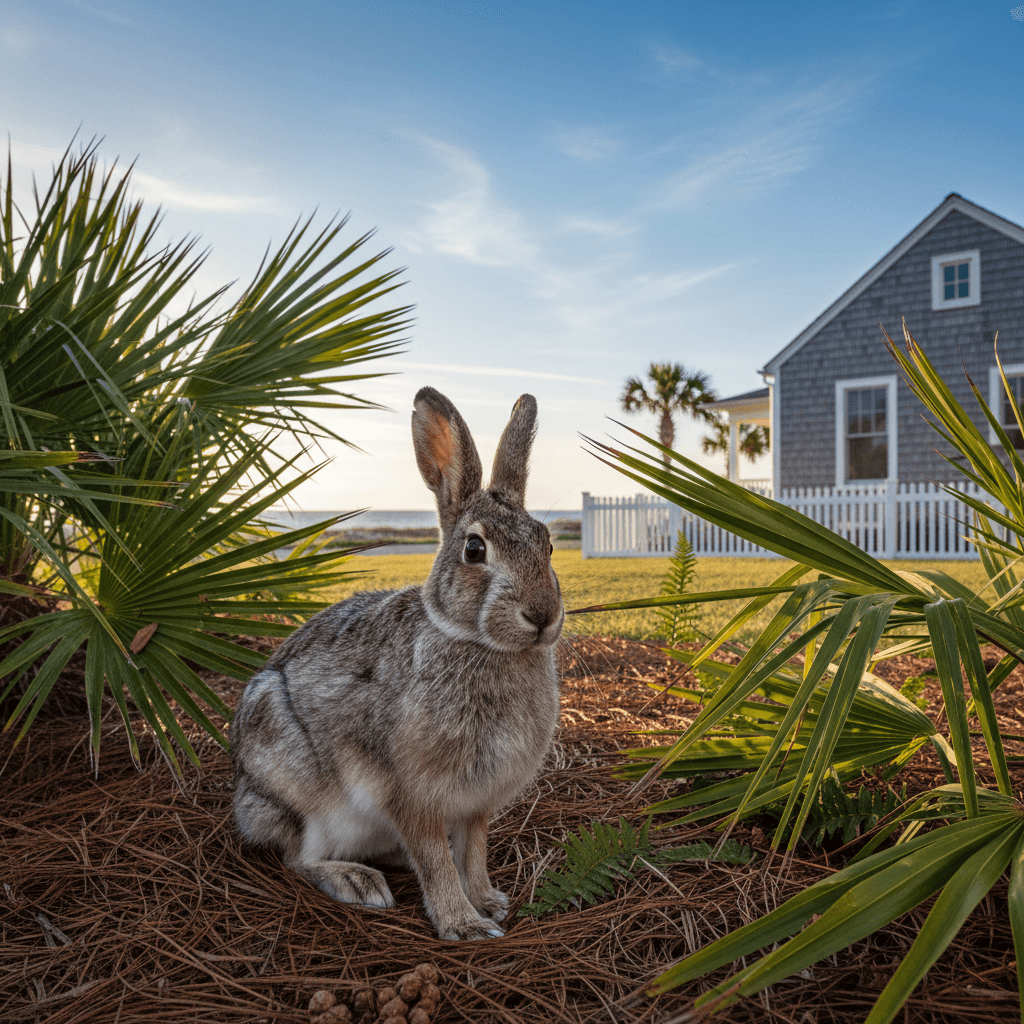
Snowshoe hares have large hind feet adapted for snowy environments, though their coat turns brown in the summer. They are medium-sized with long ears and a generally rounded body shape. During the winter months, their fur is predominantly white, providing excellent camouflage.
Signs of Infestation
While not typically infesting homes, snowshoe hares may damage gardens or landscaping by eating plants and shrubs. Look for cleanly clipped stems and leaves, and signs of digging near garden beds. Their droppings, small round pellets, may also be visible in affected areas.
Health Risks
Snowshoe hares do not pose direct health risks to humans in Myrtle Beach. However, they can be carriers of ticks and other parasites, which can transmit diseases. Their presence can also attract predators like coyotes or foxes closer to residential areas.
Our Treatment Method
MBPC focuses on humane wildlife management and exclusion techniques. Trapping and relocation are generally not recommended due to low success rates and stress on the animal. Our SC-licensed technicians can advise on effective deterrents and habitat modification strategies to minimize hare activity on your Grand Strand property, in accordance with SC Department of Natural Resources guidelines.
Prevention Tips
Protect garden plants with fencing or netting to prevent hare damage. Remove brush piles and other potential harborage areas from your property to discourage hare activity. Consider using deer repellent sprays, which can also deter hares from feeding on your landscaping in coastal SC.
Habitat
Snowshoe hares prefer forested areas and dense undergrowth, though they can adapt to suburban environments in search of food. They are less common in the immediate coastal areas of Myrtle Beach but may be found in more wooded areas inland. The humid subtropical climate provides ample vegetation for them to browse on.
Peak activity: Year-Round
Identification Photos
Frequently Asked Questions About Snowshoe Hare
Snowshoe hares are less common in the immediate coastal areas of Myrtle Beach, but they may be found in more wooded areas inland. Other hare species, such as the marsh rabbit, are more prevalent in the Grand Strand area.
Snowshoe hares can damage gardens and landscaping by eating plants, shrubs, and young trees. They are also known to girdle the bark of trees, which can lead to their death, especially in residential areas near wooded environments.
MBPC offers humane wildlife management solutions, including exclusion techniques and deterrent strategies. We can assess your property and recommend measures to minimize hare activity and protect your landscaping in accordance with local SC regulations.
Snowshoe hares are generally not protected in South Carolina, but regulations may vary. It is essential to consult with the SC Department of Natural Resources and adhere to all applicable laws and guidelines when dealing with wildlife in the Myrtle Beach area.
Don't Let Pests Win.
Take Back Your Home Today.
Every day you wait gives pests more time to multiply and cause damage. Our licensed technicians are ready to help — often the same day you call.
Free Inspection
No cost, no obligation
Same-Day Service
Fast response guaranteed
Eco-Friendly
Safe for family & pets
100% Guarantee
Pests return, so do we
Ready to get started?
Choose how you'd like to connect with us.
Available Mon-Fri 8am-6pm, Sat 9am-2pm