Southern flying squirrel
Glaucomys volans
wildlifeHow to Identify
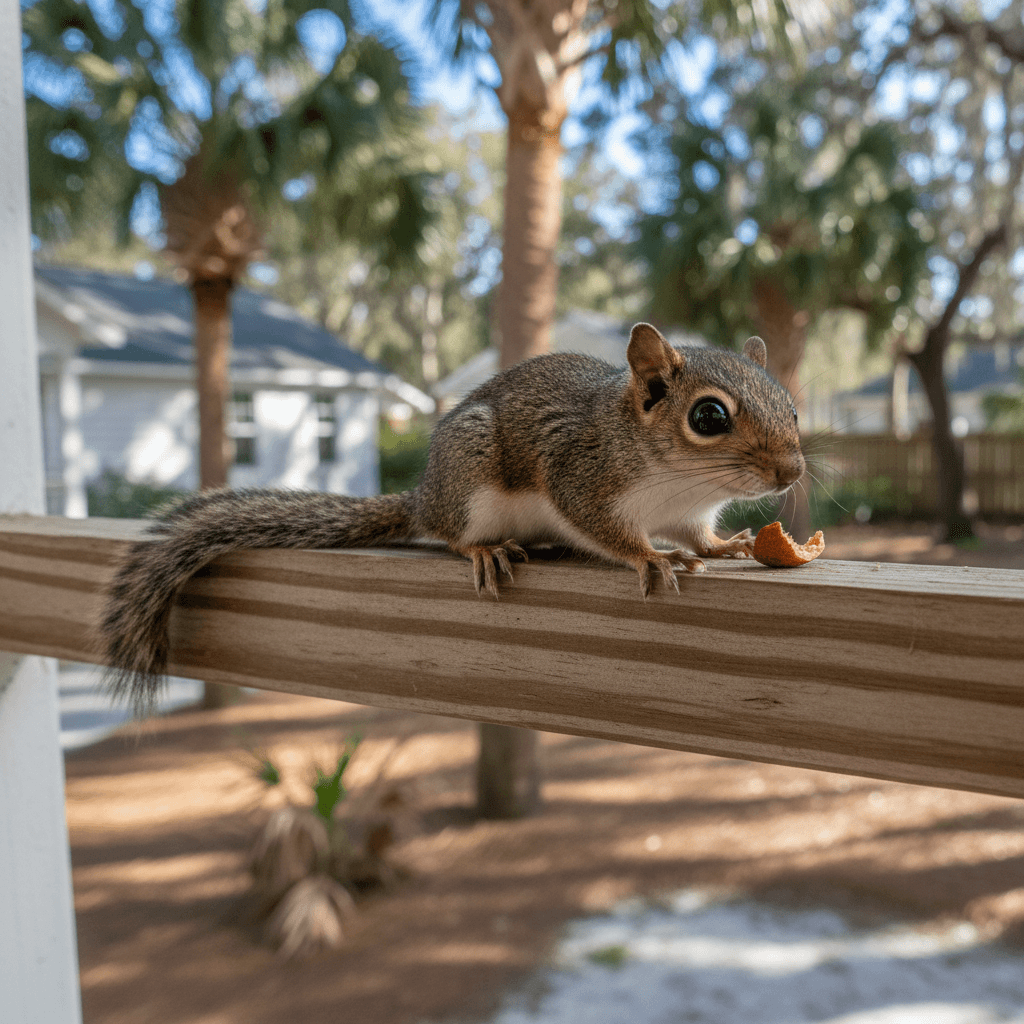
Southern flying squirrels are small, nocturnal rodents, typically 8-10 inches long including the tail. They are distinguished by the furred membrane (patagium) extending between their front and hind legs, allowing them to glide. Their fur is a soft grayish-brown on top and creamy white underneath, with large, dark eyes.
Signs of Infestation
Homeowners in Myrtle Beach may notice signs of flying squirrels in attics, chimneys, or wall spaces, including droppings, scratching sounds at night, or chewed wiring. Entry points are often small holes or gaps in the roofline. Nests are usually constructed from shredded insulation, leaves, and other soft materials.
Health Risks
While not directly aggressive, flying squirrels can carry parasites and diseases that pose risks to humans and pets in Myrtle Beach. Their droppings can contaminate insulation and create unpleasant odors, potentially triggering allergies or respiratory issues. Chewing on electrical wires presents a fire hazard.
Our Treatment Method
MBPC provides humane wildlife removal and exclusion services for flying squirrels in the Grand Strand area, operating in compliance with SC Department of Pesticide Regulation guidelines. Our licensed technicians will identify entry points, safely remove squirrels, and implement exclusion measures to prevent future infestations. Trapping and relocation are sometimes necessary, depending on the situation.
Prevention Tips
Seal any potential entry points around your home, such as gaps in the roofline, vents, and chimneys. Trim tree branches that overhang your roof to limit access. Consider installing mesh screens over vents and chimney openings, a common practice in coastal SC homes to keep out various wildlife.
Habitat
Southern flying squirrels are common in the wooded areas of coastal South Carolina, including Myrtle Beach. They prefer mature forests with abundant trees for nesting and foraging. They often nest in tree cavities, abandoned bird nests, or man-made structures like attics, taking advantage of the warm, humid climate.
Peak activity: Year-Round
Identification Photos
Frequently Asked Questions About Southern flying squirrel
Flying squirrels are adept climbers and can squeeze through surprisingly small openings. They often enter through gaps in the roofline, uncapped chimneys, vents, or holes created by other pests. Overhanging tree branches provide easy access to your roof.
While generally not aggressive, flying squirrels can carry diseases and parasites. Their droppings can also contaminate insulation and cause respiratory issues. Chewed wiring poses a significant fire hazard to homes along the Grand Strand.
In South Carolina, trapping and relocating wildlife may be subject to regulations. It's best to contact a licensed professional like MBPC to ensure humane and legal removal. We can also implement exclusion measures to prevent future problems.
Signs of flying squirrel damage include chewed wiring, shredded insulation, droppings in the attic or crawlspace, and water stains from nests. You might also hear scratching or scampering noises at night, indicating activity in your Myrtle Beach home.
Don't Let Pests Win.
Take Back Your Home Today.
Every day you wait gives pests more time to multiply and cause damage. Our licensed technicians are ready to help — often the same day you call.
Free Inspection
No cost, no obligation
Same-Day Service
Fast response guaranteed
Eco-Friendly
Safe for family & pets
100% Guarantee
Pests return, so do we
Ready to get started?
Choose how you'd like to connect with us.
Available Mon-Fri 8am-6pm, Sat 9am-2pm