Spittlebug
Philaenus spumarius
insectsHow to Identify
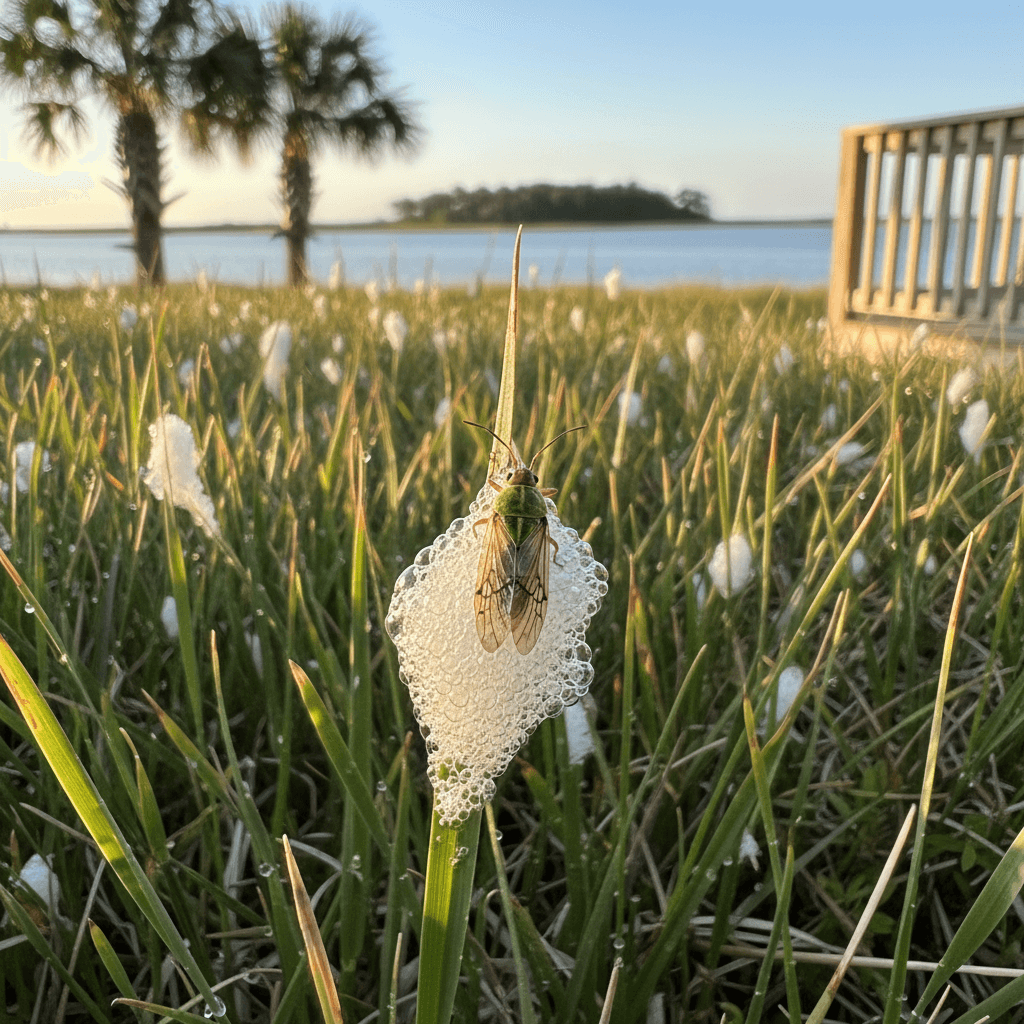
Spittlebugs are small insects, typically brown or green, best known for the frothy, saliva-like substance they produce. This 'spittle' mass protects the nymph stage from predators and desiccation. Adults are about 1/4 inch long and resemble leafhoppers.
Signs of Infestation
The most obvious sign is the white, frothy spittle mass on plant stems and leaves, often found in gardens and landscapes. Heavy infestations can stunt plant growth or cause leaves to become distorted. While not usually a structural pest, large numbers can affect ornamental plants around your Myrtle Beach home.
Health Risks
Spittlebugs pose minimal direct health risks to humans or pets. However, their feeding habits can weaken plants, making them more susceptible to other pests and diseases, which can indirectly impact gardens and landscapes in the Myrtle Beach area. Large infestations might trigger allergies in sensitive individuals.
Our Treatment Method
MBPC offers targeted treatments for spittlebug infestations when they threaten ornamental plants. Our SC Department of Pesticide Regulation-licensed technicians can apply insecticidal soap or horticultural oil to control nymphs within the spittle masses. For severe infestations in the Grand Strand, systemic insecticides may be recommended, carefully applied to minimize environmental impact.
Prevention Tips
Maintain healthy, vigorous plants to reduce susceptibility to spittlebug damage. Regularly inspect your garden and landscape plants, especially in spring and early summer, for signs of spittle masses. Prune heavily infested plant parts to remove nymph populations and improve air circulation in your Myrtle Beach garden.
Habitat
Spittlebugs thrive in the humid subtropical climate of coastal South Carolina. They are commonly found on a wide range of host plants in gardens, fields, and along roadsides. The nymphs create their characteristic spittle masses in sheltered spots on plant stems, enjoying the moisture-rich environment.
Peak activity: Spring-Summer
Identification Photos
Frequently Asked Questions About Spittlebug
While generally not considered major pests, heavy spittlebug infestations can stress plants and reduce their vigor. Young or newly planted ornamentals are most vulnerable. Regular monitoring and early intervention can prevent significant damage to your Myrtle Beach gardens.
Small infestations can often be managed by simply washing the spittle masses off plants with a strong stream of water. Insecticidal soap or horticultural oil can be effective for larger infestations, especially when applied early in the nymph stage by a licensed technician from MBPC.
Spittlebugs feed on a wide variety of plants, but they are commonly found on strawberries, legumes, grasses, and various ornamental plants in South Carolina gardens. Keeping your plants healthy and providing adequate water and nutrients can help them resist spittlebug infestations.
Spittlebugs do not bite or sting and are not poisonous to humans or pets. The 'spittle' they produce is harmless, although it may be unsightly. Direct contact with spittlebugs poses no known health risks in the Myrtle Beach area.
Don't Let Pests Win.
Take Back Your Home Today.
Every day you wait gives pests more time to multiply and cause damage. Our licensed technicians are ready to help — often the same day you call.
Free Inspection
No cost, no obligation
Same-Day Service
Fast response guaranteed
Eco-Friendly
Safe for family & pets
100% Guarantee
Pests return, so do we
Ready to get started?
Choose how you'd like to connect with us.
Available Mon-Fri 8am-6pm, Sat 9am-2pm