Thrips
Thripidae
insectsHow to Identify
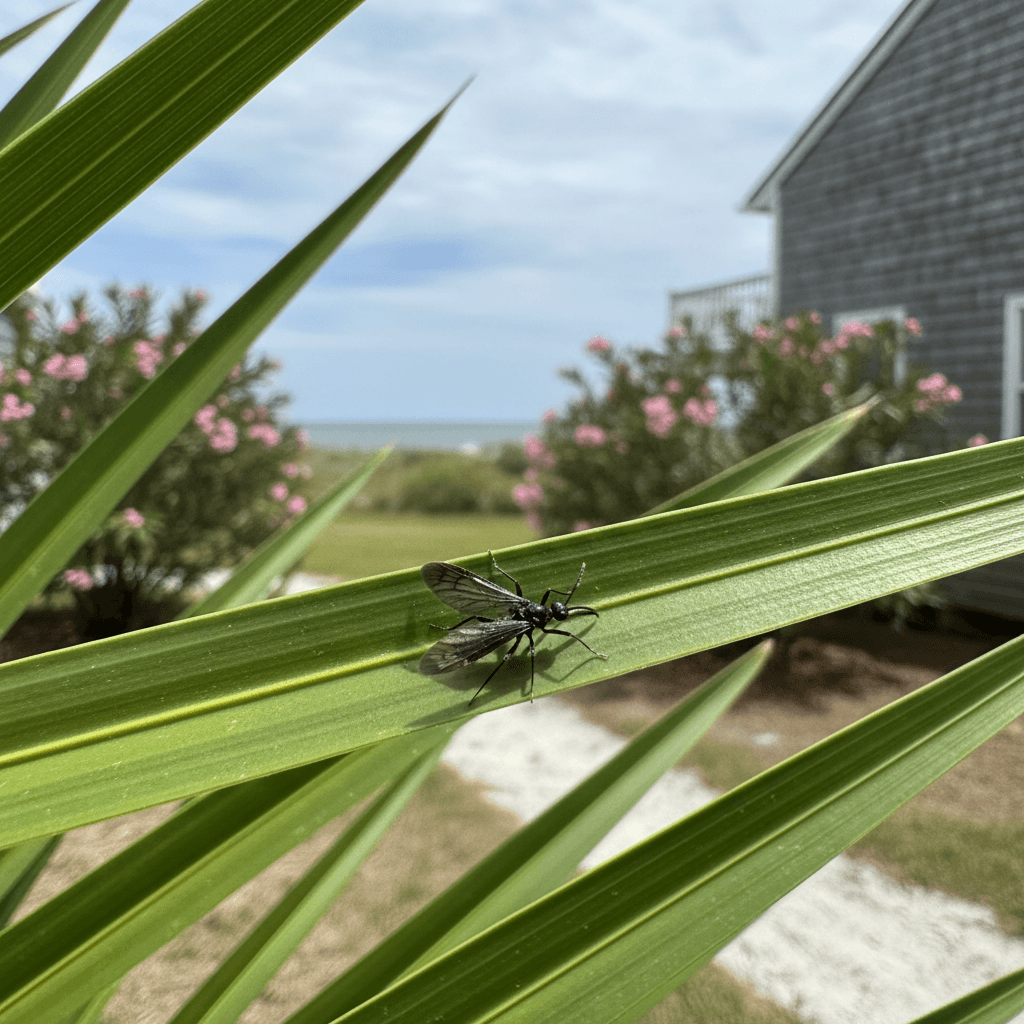
Thrips are tiny, slender insects, typically less than 1/20 inch long. They range in color from pale yellow to dark brown or black. Look for their fringed wings and quick, darting movements when disturbed on plant leaves or flowers.
Signs of Infestation
Signs of thrips infestation include distorted or discolored leaves, silvery streaks on foliage, and black fecal specks. You might also notice stunted plant growth or damaged flower petals. In homes, they can be found near houseplants or entering through screens.
Health Risks
Thrips don't directly pose significant health risks to humans in Myrtle Beach. However, some species can bite, causing minor skin irritation. Their primary impact is on plants, potentially affecting gardens and ornamental landscaping common in the Grand Strand area.
Our Treatment Method
MBPC offers targeted treatments to control thrips infestations, including foliar sprays and systemic insecticides. Our licensed technicians will assess the infestation and recommend the most effective and SC Department of Pesticide Regulation-approved approach for your Myrtle Beach property. We prioritize environmentally conscious solutions while ensuring thorough pest control.
Prevention Tips
Regularly inspect plants for signs of thrips damage. Remove and dispose of infested plant material promptly. Maintain healthy plants with proper watering and fertilization to increase their resistance to thrips in your Myrtle Beach garden.
Habitat
Thrips thrive in the warm, humid conditions of Myrtle Beach and the Grand Strand. They are commonly found on a wide variety of plants, including flowers, vegetables, and ornamental shrubs. They seek sheltered areas within plant foliage and can also infest greenhouses or indoor plants.
Peak activity: Spring-Fall
Identification Photos
Frequently Asked Questions About Thrips
Thrips feeding can cause distorted growth, discoloration, and scarring on leaves and flowers, impacting the aesthetic appeal and health of your garden. Severe infestations can reduce plant vigor and yield in vegetable gardens.
Thrips can enter homes through open windows and doors, particularly during spring and fall when populations are high. They can also hitchhike on clothing, pets, or infested plants brought indoors. Screen damage is also a common point of entry in older Myrtle Beach homes.
Thrips are attracted to plants with light-colored flowers and tender new growth. Roses, petunias, and impatiens are particularly susceptible. Regular monitoring of these plants in your Grand Strand garden is recommended.
Using reflective mulch can deter thrips from landing on plants. Introduce beneficial insects, such as ladybugs and lacewings, which prey on thrips. Consistent monitoring, good sanitation, and timely intervention from MBPC are key to protecting your Myrtle Beach garden.
Don't Let Pests Win.
Take Back Your Home Today.
Every day you wait gives pests more time to multiply and cause damage. Our licensed technicians are ready to help — often the same day you call.
Free Inspection
No cost, no obligation
Same-Day Service
Fast response guaranteed
Eco-Friendly
Safe for family & pets
100% Guarantee
Pests return, so do we
Ready to get started?
Choose how you'd like to connect with us.
Available Mon-Fri 8am-6pm, Sat 9am-2pm