
Norway Rat
Rattus norvegicus
rodentsHow to Identify
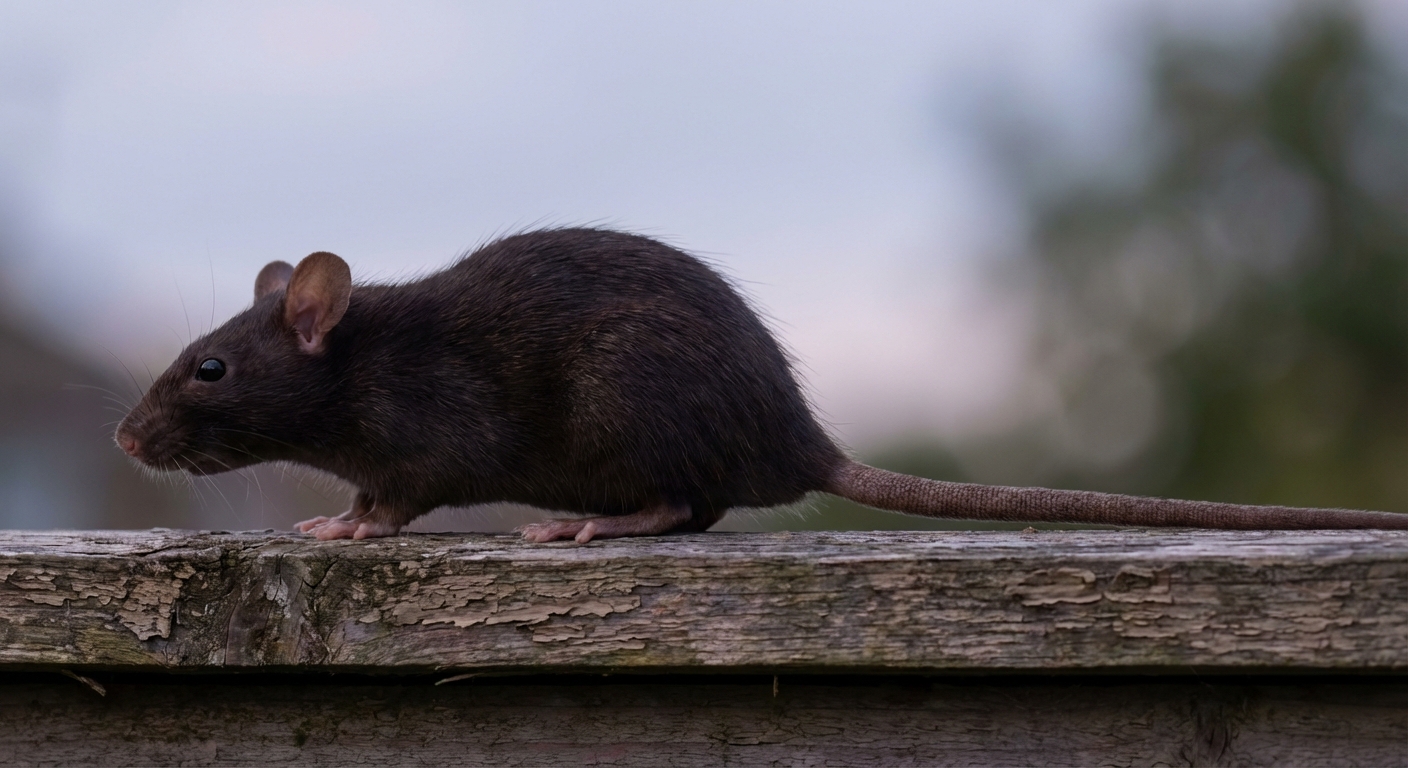
Norway rats are large, robust rodents measuring 7-10 inches in body length with a tail slightly shorter than the body. They have coarse brown fur with a lighter gray or white belly, small ears close to the head, and a blunt nose. Their droppings are capsule-shaped, about 3/4 inch long, and are often found along travel routes. They are sometimes confused with the smaller, more agile roof rat.
Signs of Infestation
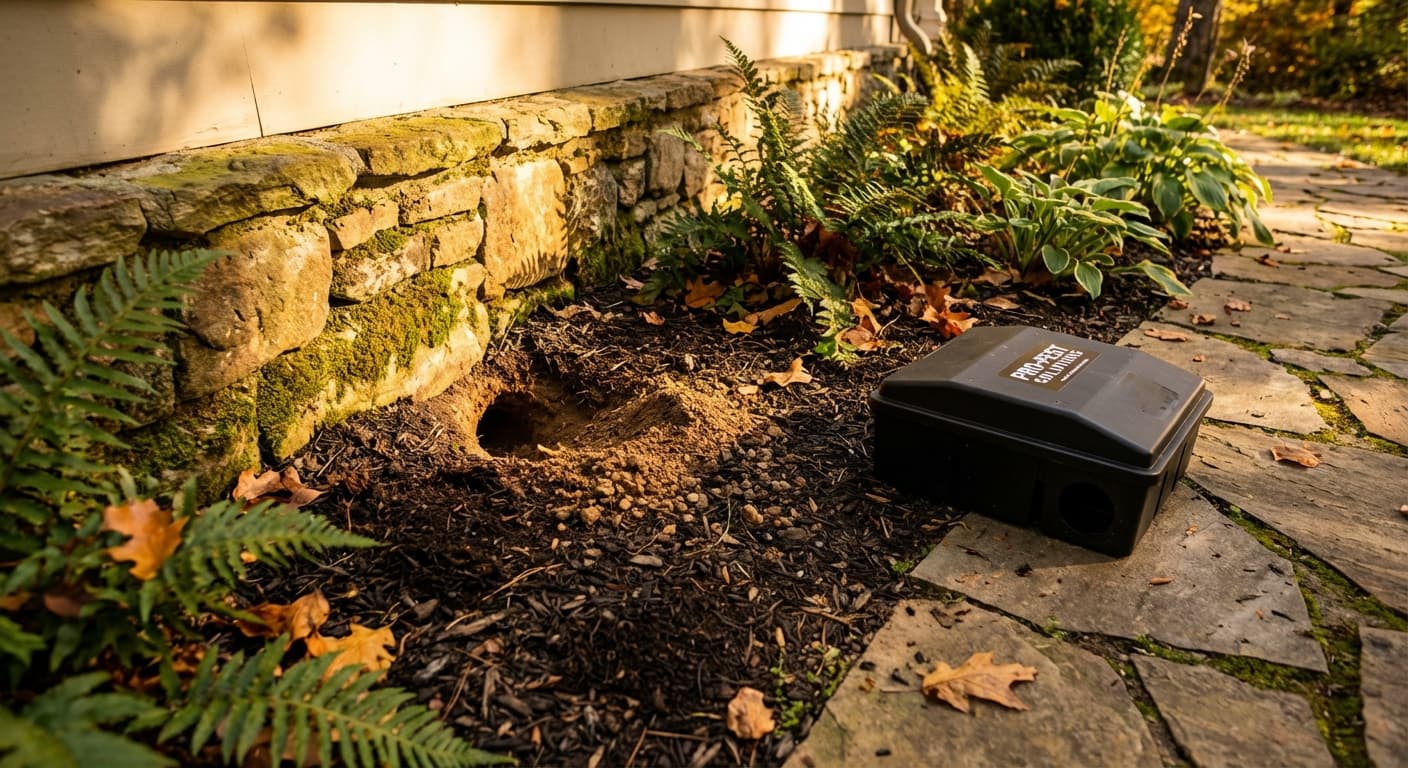
Look for gnaw marks on food packaging, wood, or wiring. Norway rats leave greasy rub marks (dark smudges) along walls and baseboards where they travel repeatedly. You may hear scratching or scurrying noises in walls, crawlspaces, or basements at night. Burrow holes approximately 2-3 inches in diameter may appear along foundations, under decks, or near dumpsters. A musky odor intensifies with larger populations.
Health Risks
In Myrtle Beach, SC, Norway rats pose several health risks. They can transmit diseases such as leptospirosis, salmonellosis, and rat-bite fever through contact with their droppings, urine, or bites. Contamination of food sources is a significant concern, often exceeding what they actually consume. Their persistent gnawing can damage electrical wiring, increasing the risk of fires in your home or business. Additionally, rat droppings and dander are allergens that can trigger respiratory issues, especially in individuals with asthma.
Our Treatment Method
MBPC’s rodent control program in Myrtle Beach begins with a comprehensive inspection to pinpoint entry points, travel routes, and nesting sites, common in our subtropical coastal environment. We strategically place tamper-resistant bait stations along exterior pathways and utilize snap traps indoors. Sealing all entry points larger than 1/2 inch using materials like steel wool, metal flashing, or concrete is vital for lasting control, especially given the sandy soils of the Grand Strand. We conduct follow-up visits every 2 weeks until the rat activity is completely eliminated.
Prevention Tips
In Myrtle Beach, seal any exterior openings larger than half an inch with steel wool, metal flashing, or concrete to prevent Norway rats from entering your home. Store garbage in metal or heavy-duty plastic bins with tight-fitting lids, crucial in our mild coastal climate where rats forage year-round. Remove fallen fruit, pet food, and bird seed from your yard, and keep the yard free of debris. If your property borders a tidal creek or marsh, maintain a clear perimeter to deter burrowing. For businesses along the Myrtle Beach strip, ensure dumpster areas are clean and grease traps are well-maintained to minimize attraction.
Habitat
In the Grand Strand, Norway rats thrive in ground-level and below-ground areas, nesting in crawlspaces, basements, and along foundations. They burrow under concrete slabs and near water sources like tidal creeks and marsh edges, which are abundant in our area. They require a daily water source and are often found near leaky pipes or pet water bowls. The mild, subtropical coastal climate of Myrtle Beach allows them to remain active year-round. They are frequently seen near commercial districts along Kings Highway and the Myrtle Beach strip, where restaurants provide ample food sources via dumpsters and grease traps. Residential areas near tidal creeks and salt marshes also experience high activity.
Peak activity: Fall-Winter
Identification Photos
Frequently Asked Questions About Norway Rat
Norway rats can squeeze through any gap larger than half an inch — roughly the size of a quarter. Common entry points in Myrtle Beach homes include gaps around pipes, AC lines, dryer vents, garage doors, and crawlspace access points. They can also gnaw through wood, plastic, and soft metals to enlarge existing openings, exploiting vulnerabilities common in coastal construction.
Norway rats are larger, heavier, and prefer ground-level or below-ground harborage like crawlspaces and basements common in older Myrtle Beach homes. Roof rats are smaller, more agile, and prefer elevated harborage like attics, trees, and upper floors, sometimes seen in newer construction. Their droppings differ in shape: Norway rat droppings are blunt-ended, while roof rat droppings are pointed.
Yes. Rats transmit diseases including leptospirosis, salmonellosis, and hantavirus through droppings, urine, and bites. They contaminate 10 times more food than they consume. Their constant gnawing on electrical wiring is a documented cause of house fires, especially concerning in older Myrtle Beach homes with outdated wiring.
Independent studies have found that ultrasonic rodent repellers are not effective at driving rats from structures. Rats quickly habituate to the sound. Professional exclusion (sealing entry points), especially critical in our subtropical climate where rats are active year-round, combined with trapping and baiting is the only reliable long-term solution for Myrtle Beach properties.
Related Pests
Confused About What You're Seeing?
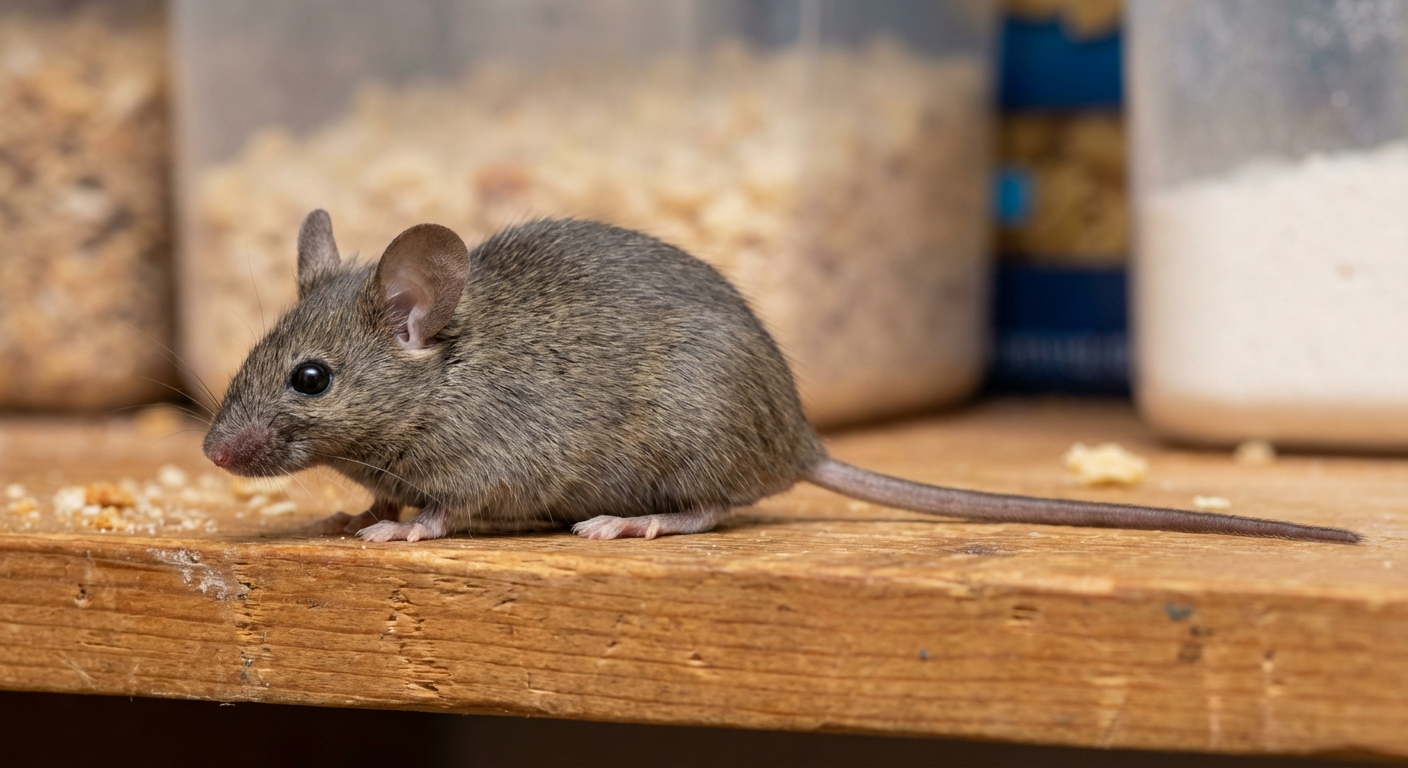
House Mouse vs. Norway Rat — compare side by side to know for sure.
Open Comparison ToolDon't Let Pests Win.
Take Back Your Home Today.
Every day you wait gives pests more time to multiply and cause damage. Our licensed technicians are ready to help — often the same day you call.
Free Inspection
No cost, no obligation
Same-Day Service
Fast response guaranteed
Eco-Friendly
Safe for family & pets
100% Guarantee
Pests return, so do we
Ready to get started?
Choose how you'd like to connect with us.
Available Mon-Fri 8am-6pm, Sat 9am-2pm