Odorous House Ants
Tapinoma sessile
insectsHow to Identify
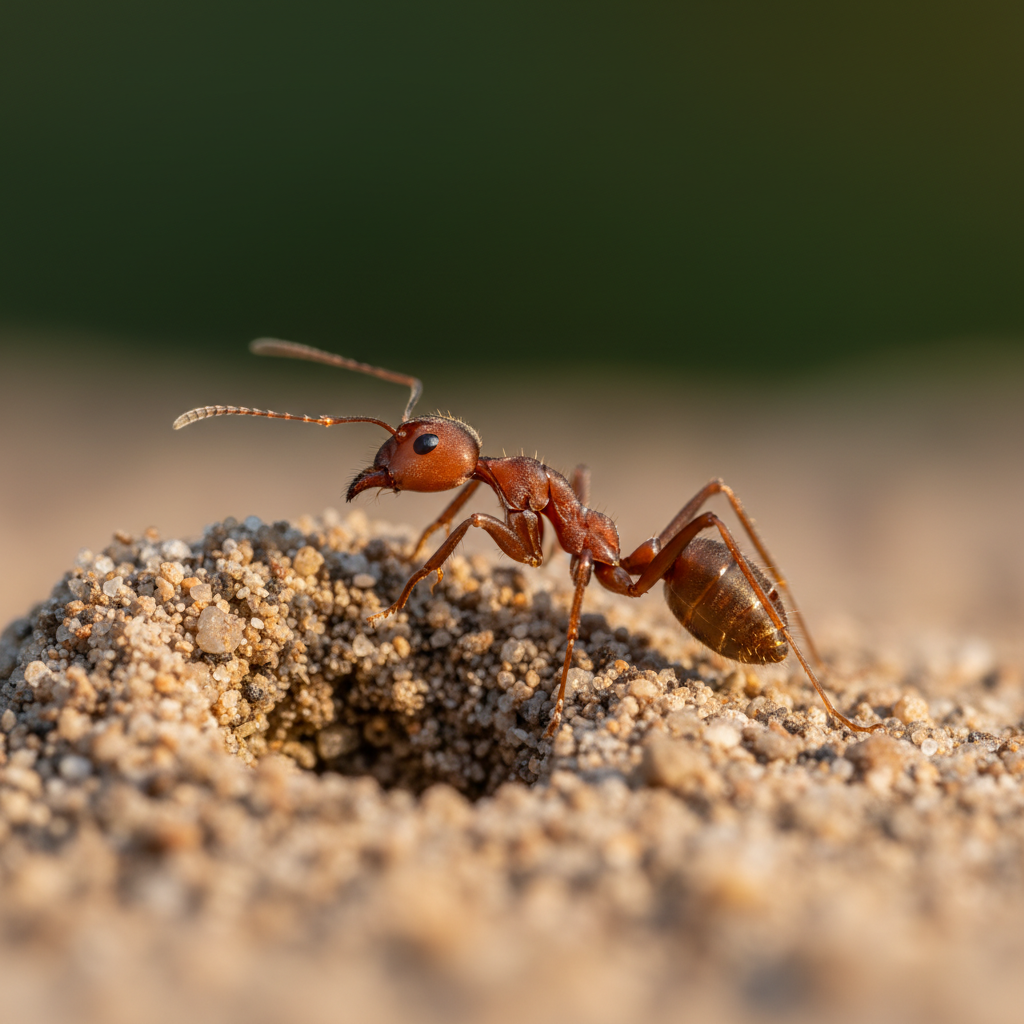
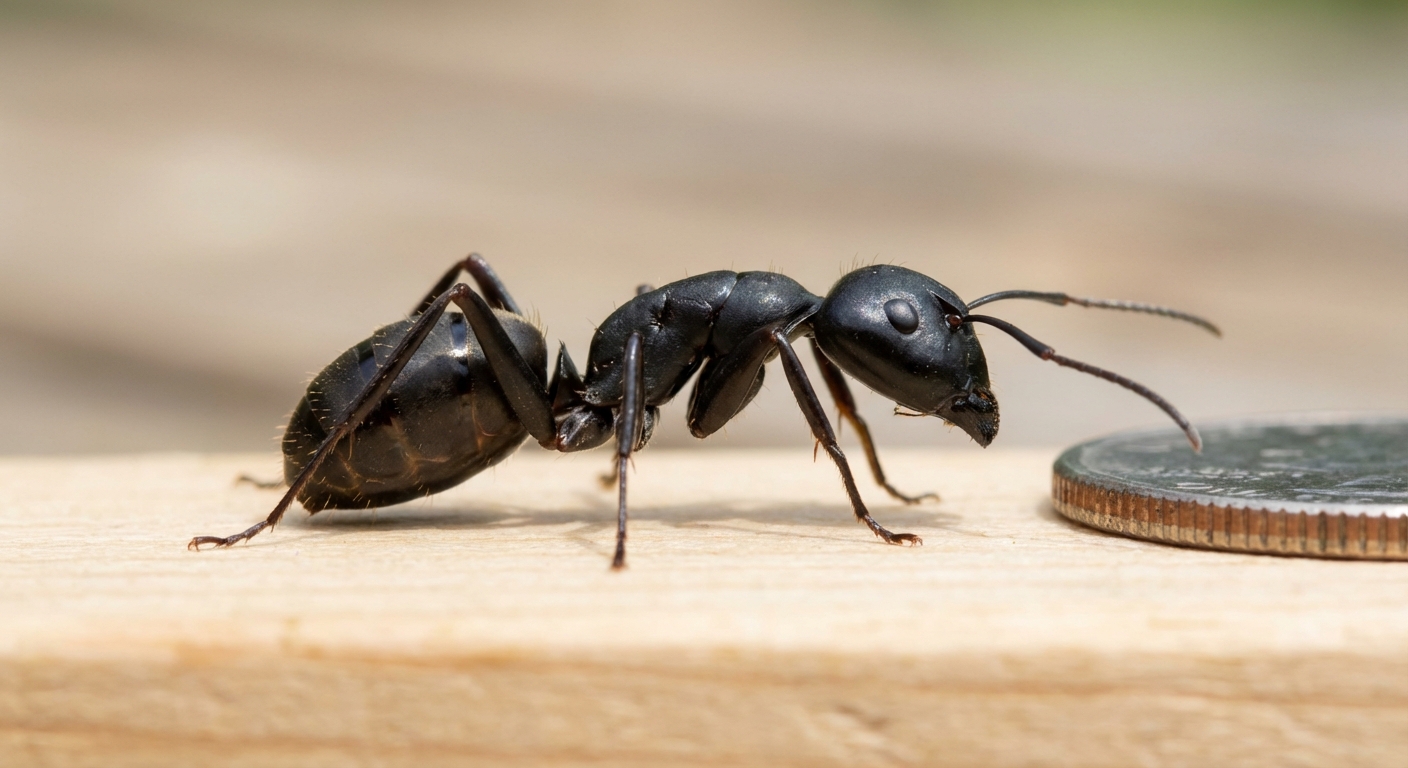
Odorous house ants are small, measuring only 1/16 to 1/8 inch long, with dark brown to black bodies. They have a single hidden node on their petiole that is not easily visible from above. The most distinctive identification trait is the rotten coconut or blue cheese smell they emit when crushed. Their antennae have 12 segments without a club, and they move in well-defined trails.
Signs of Infestation
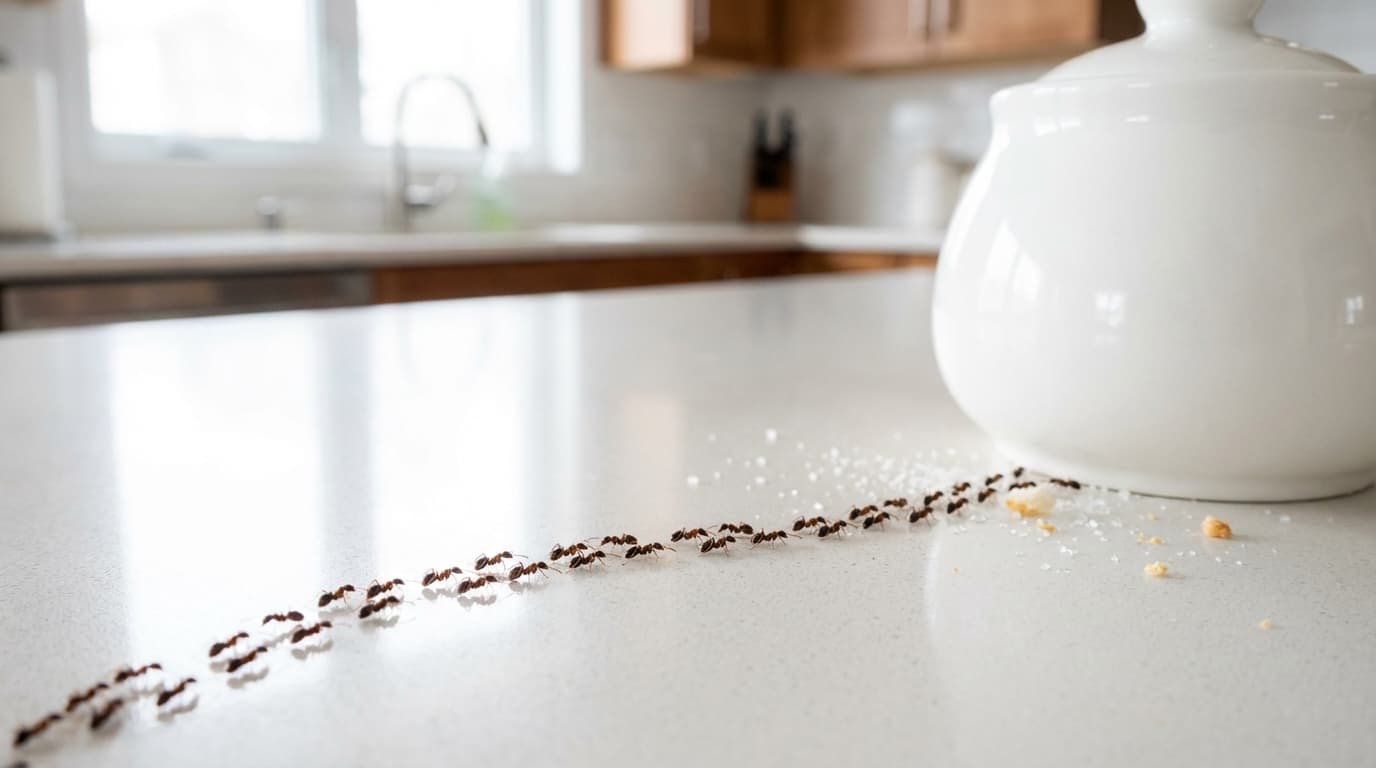
Odorous house ants are one of the most frequently encountered nuisance pests in Grand Strand homes. They form long, visible trailing lines along kitchen counters, baseboards, window sills, and around pet food bowls. They are particularly active on warm, humid days and especially after the heavy coastal rainstorms common across Myrtle Beach in spring and summer, when deluges flood outdoor nests and drive massive foraging columns indoors within hours. You may notice them clustering around sweet spills, fruit bowls, or sugary residues. Colonies can number in the tens of thousands with multiple queens, making them persistent and difficult to eliminate.
Health Risks
Odorous house ants are primarily a nuisance pest and do not bite or sting humans. However, in Myrtle Beach, their constant foraging can pose a risk of contamination. They can trail across surfaces and through food packaging, especially given the open layout of many homes designed to catch coastal breezes. While they don't transmit diseases directly, their large colony sizes mean they can quickly overwhelm kitchens and pantries, seeking out crumbs and spills that are common in homes near the beach.
Our Treatment Method
At MBPC, we use targeted liquid ant bait stations placed along active foraging trails, as odorous house ants respond best to sweet-based attractants. The slow-acting bait is carried back to the colony and shared with queens and brood through trophallaxis, collapsing the entire colony over 1-2 weeks. We also apply non-repellent perimeter treatments around the foundation to prevent re-entry, focusing on common entry points along the sandy soil. Given our subtropical coastal climate and susceptibility to heavy rains, repellent sprays are avoided as they scatter the colony and cause budding — where the colony splits into multiple new colonies, worsening the infestation.
Prevention Tips
In Myrtle Beach, SC, keeping a clean home is the best defense against odorous house ants. Clean up sticky residues and sweet spills immediately, as even a small drop of juice can attract a foraging trail within hours. Store sugar, honey, and syrup in sealed containers. Seal cracks around windows, doors, and where utility lines enter the structure, especially considering the shifting sandy foundations common in the area. Keep mulch beds at least 12 inches from the foundation to discourage nesting near the house, and consider using rock or pine straw mulch instead, as ants tend to prefer woody mulches.
Habitat
Odorous house ants thrive in the diverse environments of the Grand Strand. Outside, they nest under rocks, mulch, and landscape timbers, often taking advantage of the sandy soil around palmetto trees. They can also be found nesting near salt marshes and tidal creeks. Inside, they favor wall voids, under floors, near hot water pipes, and behind kitchen appliances. In the Myrtle Beach area, they frequently invade homes, especially during the humid spring and fall rainy seasons, seeking shelter from flooding.
Peak activity: Spring-Fall
Identification Photos
Frequently Asked Questions About Odorous House Ants
Odorous house ants produce a chemical compound similar to methyl ketones found in blue cheese and coconut. This defensive chemical is released when the ant is crushed or threatened. It is one of the most reliable ways to identify this species — if you crush a tiny dark ant in your Myrtle Beach home and it smells like rotten coconut, it is almost certainly an odorous house ant.
Heavy rain, common in Myrtle Beach during the spring and summer months, floods outdoor odorous house ant nests, forcing the colony to relocate indoors. The ants follow pre-established foraging trails into your home, seeking dry harborage and food. This is why ant invasions often spike 24-48 hours after significant rainfall in the Grand Strand.
Over-the-counter repellent sprays cause odorous house ant colonies to 'bud' — the colony splits into multiple smaller colonies, each with its own queen. This actually multiplies the problem. Professional non-repellent baits and treatments work because the ants cannot detect them, allowing the product to spread through the entire colony. This is especially important in our climate, where outdoor colonies thrive year-round.
With professional baiting, you should see a significant reduction in trailing activity within 3-5 days as the bait circulates through the colony. Full elimination typically takes 1-2 weeks for a single colony. Multiple-queen colonies may require follow-up treatments to ensure all reproductive individuals are eliminated. The sandy soils in Myrtle Beach can provide easy access to homes for these pests, making consistent treatment key.
Related Pests
Don't Let Pests Win.
Take Back Your Home Today.
Every day you wait gives pests more time to multiply and cause damage. Our licensed technicians are ready to help — often the same day you call.
Free Inspection
No cost, no obligation
Same-Day Service
Fast response guaranteed
Eco-Friendly
Safe for family & pets
100% Guarantee
Pests return, so do we
Ready to get started?
Choose how you'd like to connect with us.
Available Mon-Fri 8am-6pm, Sat 9am-2pm