
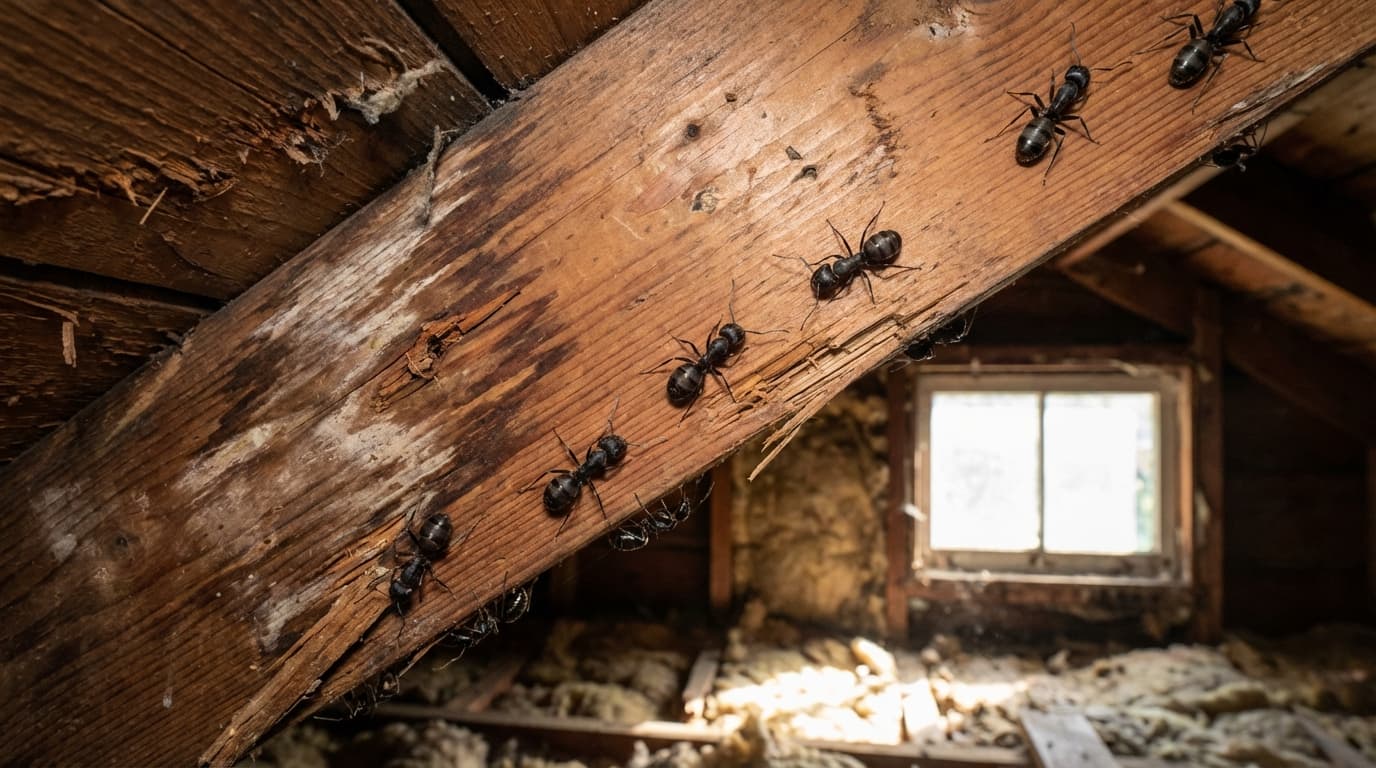
Carpenter Ants
Camponotus pennsylvanicus
insectsHow to Identify
Carpenter ants are among the largest ants in North America, measuring 1/4 to 1/2 inch long. Workers are typically solid black, though some species have reddish-brown coloring on the thorax. They have a single node between the thorax and abdomen and a smooth, evenly rounded upper profile. Winged reproductives emerge in spring and are often confused with termite swarmers, but carpenter ant swarmers have elbowed antennae, a pinched waist, and forewings longer than hindwings.
Signs of Infestation
The most telltale sign is small piles of fine, sawdust-like frass (wood shavings) beneath wooden structures, window sills, or baseboards. You may hear faint rustling sounds inside walls, especially at night when the colony is most active. Carpenter ants do not eat wood — they excavate smooth, clean galleries for nesting, leaving behind the frass. Seeing large black ants indoors during winter is a strong indicator of an interior nest.
Health Risks
Carpenter ants do not transmit diseases, but they can deliver a painful bite when handled or threatened. Their primary threat is structural damage to Grand Strand properties. Over time, large colonies can weaken load-bearing beams, floor joists, window frames, and door headers. Left untreated, damage can become extensive and expensive to repair, especially in our humid, subtropical climate.
Our Treatment Method
Our Myrtle Beach Pest Control treatment begins with a thorough inspection to locate the main colony and any satellite nests. We apply non-repellent liquid insecticides to nest sites and inject dust formulations into wall voids and structural timbers where galleries are suspected. Exterior perimeter treatments and targeted baiting help intercept foraging trails. Moisture corrections are essential, especially given our coastal SC climate, as carpenter ants prefer damp, decaying wood.
Prevention Tips
Repair all moisture-damaged wood promptly, including soft fascia boards, leaky window frames, and water-damaged subfloor areas common in coastal SC homes. Keep tree branches and shrubs trimmed back at least 18 inches from the house to eliminate bridges. Store firewood at least 20 feet from the home and elevated off the ground. Ensure crawlspace ventilation is adequate to reduce humidity levels below 60%, especially in areas with sandy soils and high water tables.
Habitat
Carpenter ants nest in moist or decaying wood, both indoors and outdoors. Common indoor sites include areas around leaky windows, bathroom walls, dishwasher lines, and under roof leaks. Outdoors, they nest in dead trees, stumps, landscape timbers, and firewood piles. Our subtropical coastal climate along the Grand Strand and high humidity create ideal conditions for carpenter ant colonies, especially in homes near salt marshes or with moisture-prone crawlspaces. They often thrive in the soft, moisture-laden wood found in older homes near the beach.
Peak activity: Spring-Summer
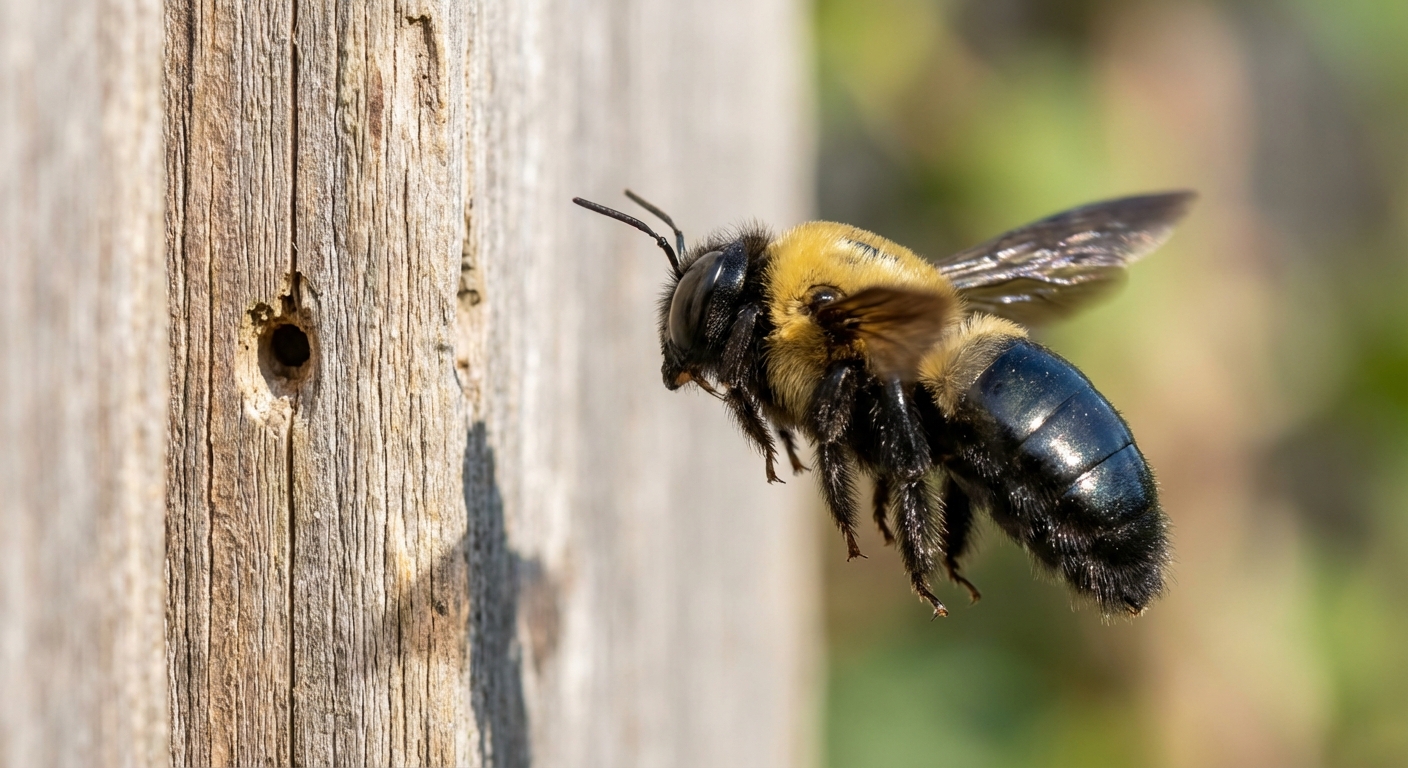
Identification Photos
Frequently Asked Questions About Carpenter Ants
Carpenter ant galleries are smooth, clean, and follow the grain of the wood with no mud lining. Termite galleries are rough, packed with mud and frass, and often cross the grain. Carpenter ants leave piles of sawdust-like frass outside their galleries, while termites consume the wood. This is particularly noticeable in older Grand Strand homes.
Seeing carpenter ants indoors during winter almost always means there is a nest inside your home, since outdoor colonies are less active in cold months. The colony has found a warm, moist location — often near a water leak — and remains active year-round. A professional inspection from Myrtle Beach Pest Control can pinpoint the nest location.
While carpenter ants typically cause less total damage than termites in SC, a mature colony left untreated for several years can significantly weaken structural timbers. Unlike termites, carpenter ants excavate rather than consume wood, but the end result — compromised structural integrity — is similar.
Carpenter ants enter through gaps around windows and doors, along utility lines, through cracks in the foundation, and by following tree branches or shrubs that touch the structure. They are attracted to moisture-damaged wood, so homes with leaks or poor drainage, common in our humid coastal SC environment, are at higher risk.
Related Pests
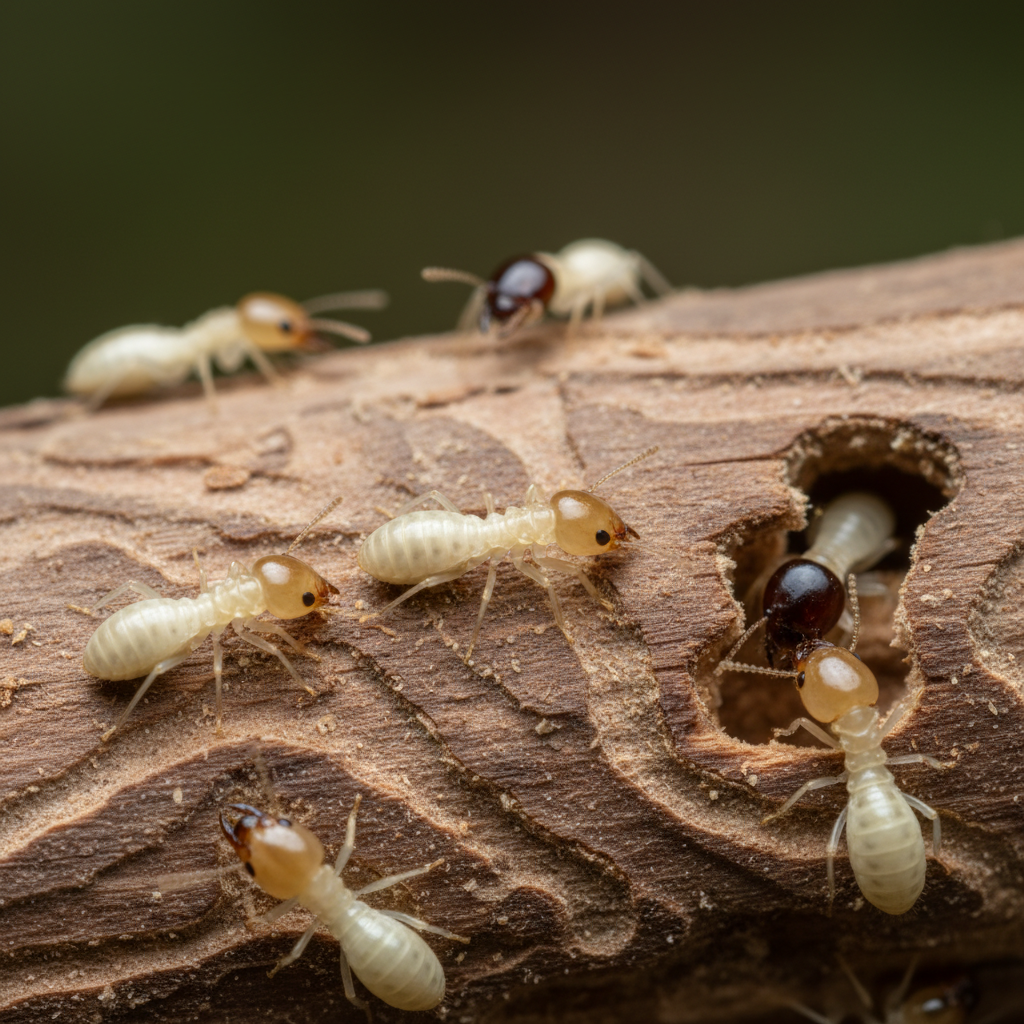
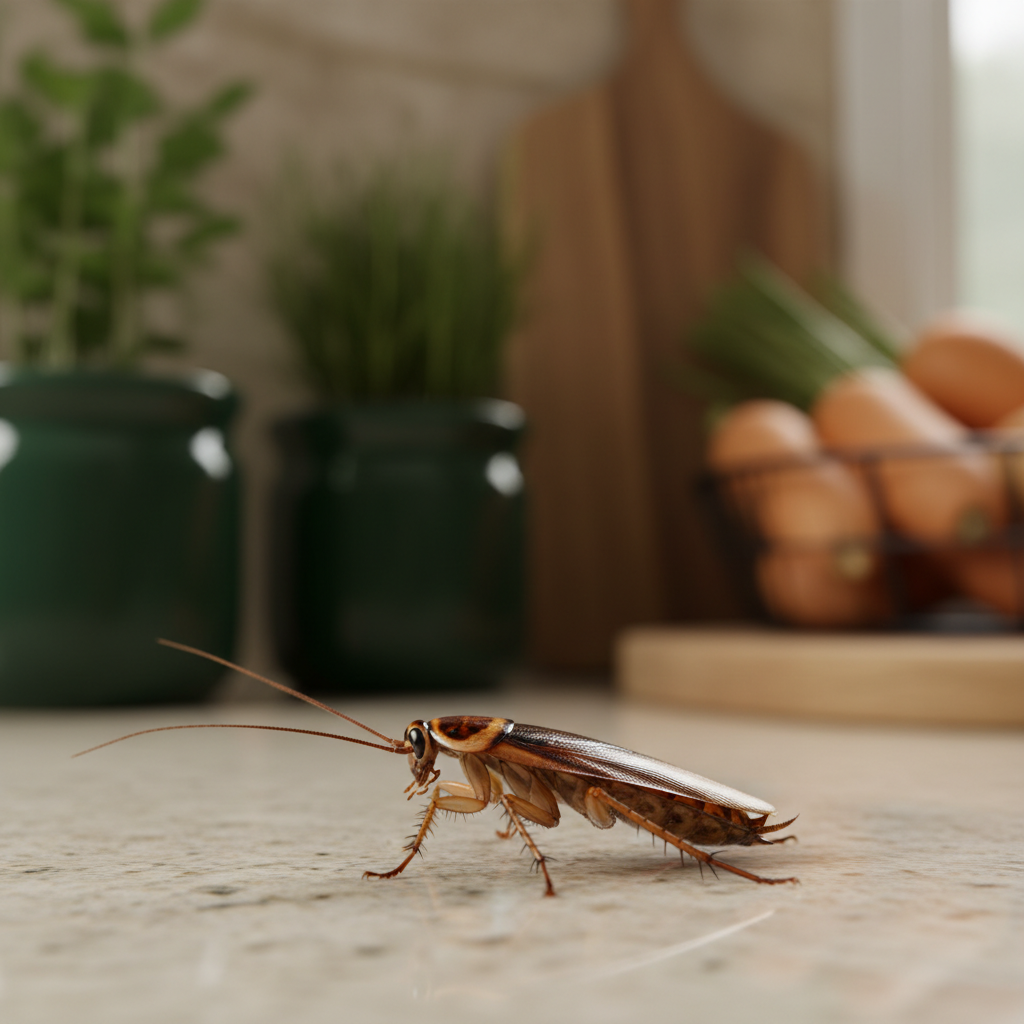
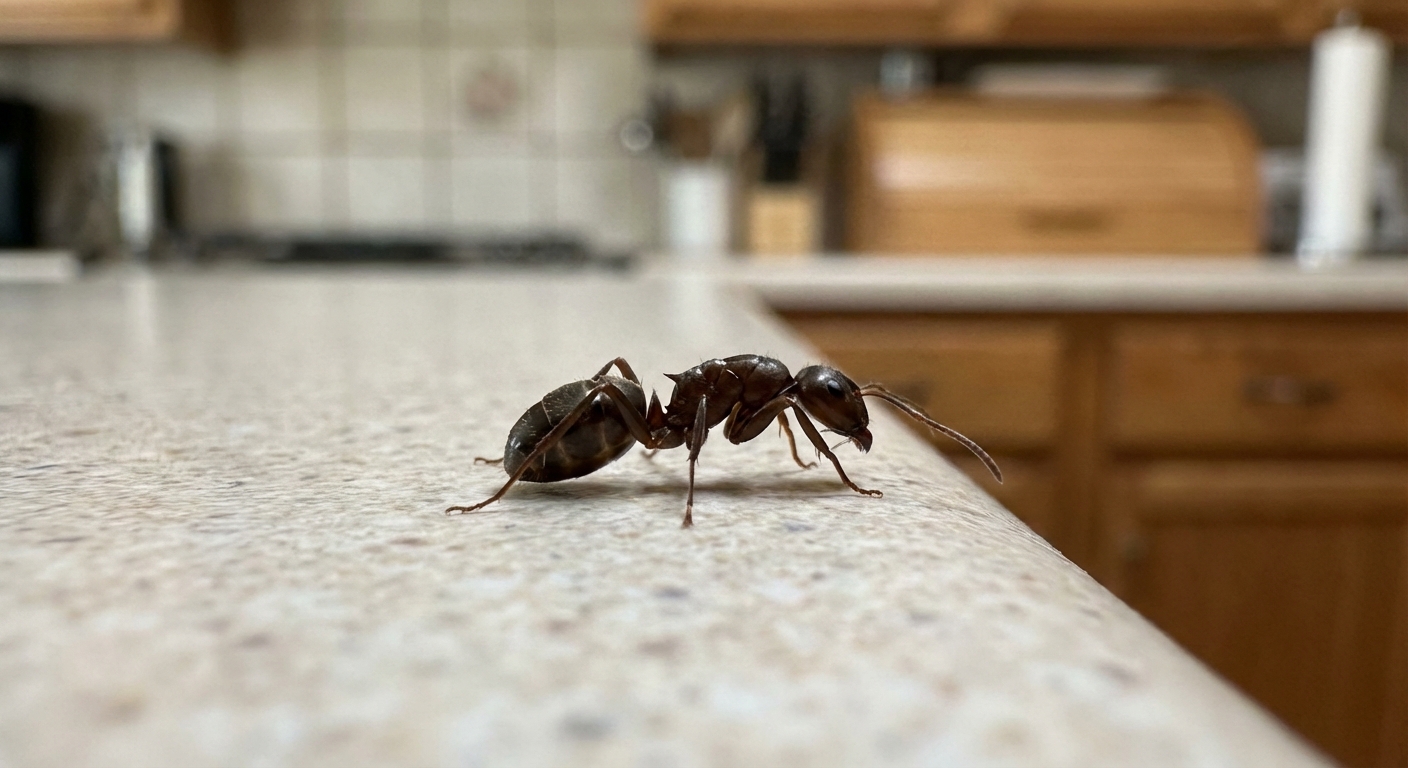
Confused About What You're Seeing?
Carpenter Ants vs. Termites — compare side by side to know for sure.
Open Comparison ToolDon't Let Pests Win.
Take Back Your Home Today.
Every day you wait gives pests more time to multiply and cause damage. Our licensed technicians are ready to help — often the same day you call.
Free Inspection
No cost, no obligation
Same-Day Service
Fast response guaranteed
Eco-Friendly
Safe for family & pets
100% Guarantee
Pests return, so do we
Ready to get started?
Choose how you'd like to connect with us.
Available Mon-Fri 8am-6pm, Sat 9am-2pm