
German Cockroaches
Blattella germanica
insectsHow to Identify
German cockroaches are light brown to tan, about 1/2 to 5/8 inch long, with two distinctive dark parallel stripes running from head to the base of the wings. Despite having wings, they rarely fly. Nymphs are smaller and darker, almost black, with the same parallel stripe pattern. They are the most common indoor cockroach species in North America.
Signs of Infestation
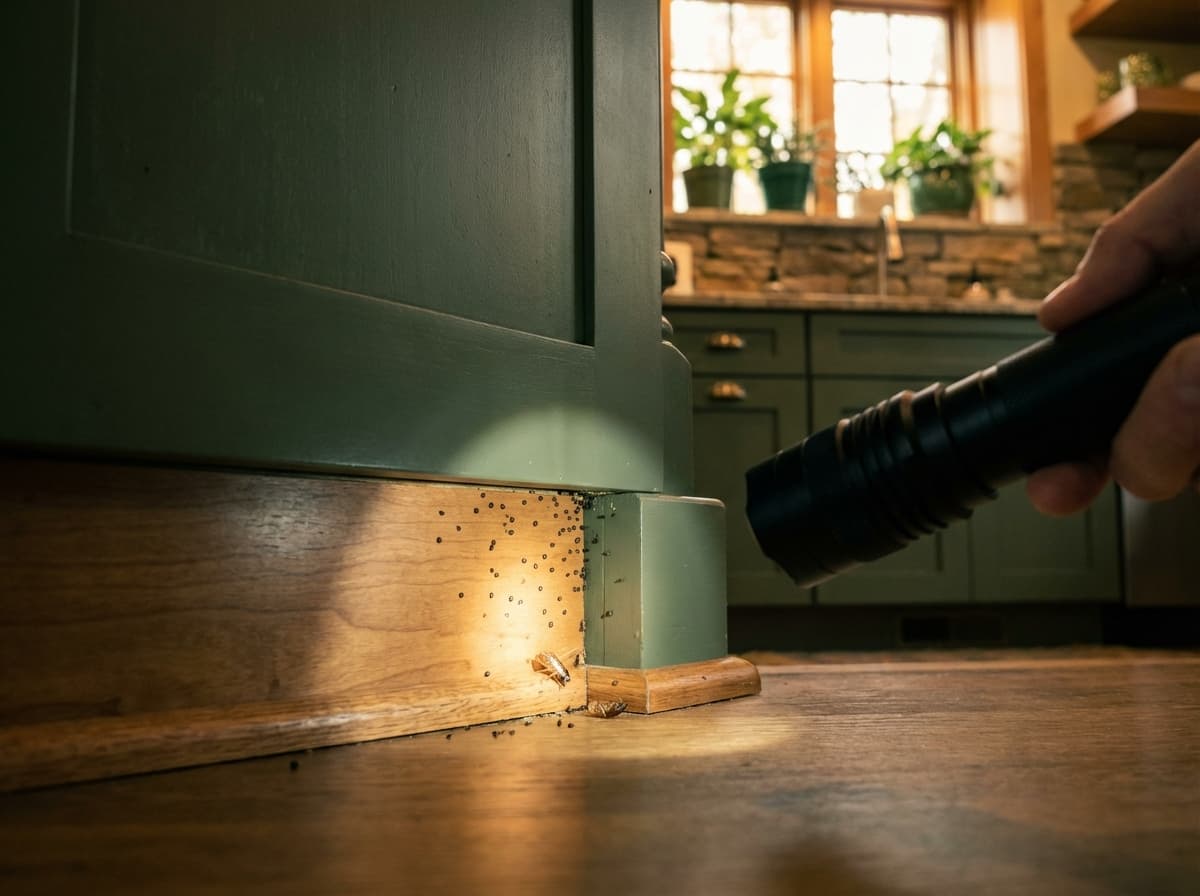
German cockroaches are nocturnal; seeing them during the day usually indicates a heavy infestation. Look for dark, pepper-like droppings in kitchen drawers, along countertop edges, and behind appliances. You may notice a musty odor in heavy infestations. Egg cases (oothecae) are light brown, purse-shaped, and about 1/4 inch long, often found in crevices near food and water sources.
Health Risks
German cockroaches pose health risks in Myrtle Beach, SC. Their droppings, shed skins, and saliva are potent allergens, triggering asthma, especially in children. They also spread bacteria like Salmonella and E. coli by contaminating surfaces and food after contact with unsanitary areas common in coastal environments.
Our Treatment Method
MBPC uses a strategic approach in Myrtle Beach, SC, including gel baits (Advion), crack-and-crevice treatments targeting entry points in sandy soil foundations, and insect growth regulators. We address moisture issues common in the subtropical coastal climate and tailor follow-up treatments to eliminate the population completely.
Prevention Tips
Seal cracks around pipes and baseboards with caulk. Repair leaks promptly—even small leaks in Myrtle Beach's humid climate fuel infestations. Use exhaust fans and range hoods to manage humidity. Store food in sealed containers. Given the prevalence of sandy soils, consider professional sealing of foundation cracks to prevent entry.
Habitat
In Myrtle Beach, German cockroaches thrive year-round in kitchens and bathrooms due to the warm, humid subtropical climate. They prefer the consistently high indoor humidity levels found near salt marshes and tidal creeks. They hide in cracks near appliances, under sinks, and behind outlets. Our sandy soils often lead to foundation cracks, providing easy access into homes.
Peak activity: Year-round
Identification Photos
Frequently Asked Questions About German Cockroaches
Even with regular cleaning in Myrtle Beach, German cockroaches survive on minimal grease and crumbs. Given that a single female can produce 400 offspring, professional treatment targets hard-to-reach harborage areas that cleaning misses, preventing re-infestation.
Yes. Cockroach allergens significantly contribute to childhood asthma in SC. These pests also spread harmful bacteria like Salmonella and E. coli by walking on contaminated surfaces, then transferring the bacteria to food preparation areas.
Foggers are ineffective for German cockroaches in Myrtle Beach. The aerosol drives roaches deeper into walls, rather than eliminating them. Gel bait is more effective as cockroaches carry it back to the colony, causing widespread elimination.
Expect noticeable reduction after the initial treatment, but full elimination typically requires 2-4 follow-up treatments every 2 weeks. Given the subtropical climate of Myrtle Beach, continuous monitoring and treatment is important for long-term success.
Related Pests
Confused About What You're Seeing?
German vs. American Cockroach — compare side by side to know for sure.
Open Comparison ToolDon't Let Pests Win.
Take Back Your Home Today.
Every day you wait gives pests more time to multiply and cause damage. Our licensed technicians are ready to help — often the same day you call.
Free Inspection
No cost, no obligation
Same-Day Service
Fast response guaranteed
Eco-Friendly
Safe for family & pets
100% Guarantee
Pests return, so do we
Ready to get started?
Choose how you'd like to connect with us.
Available Mon-Fri 8am-6pm, Sat 9am-2pm