
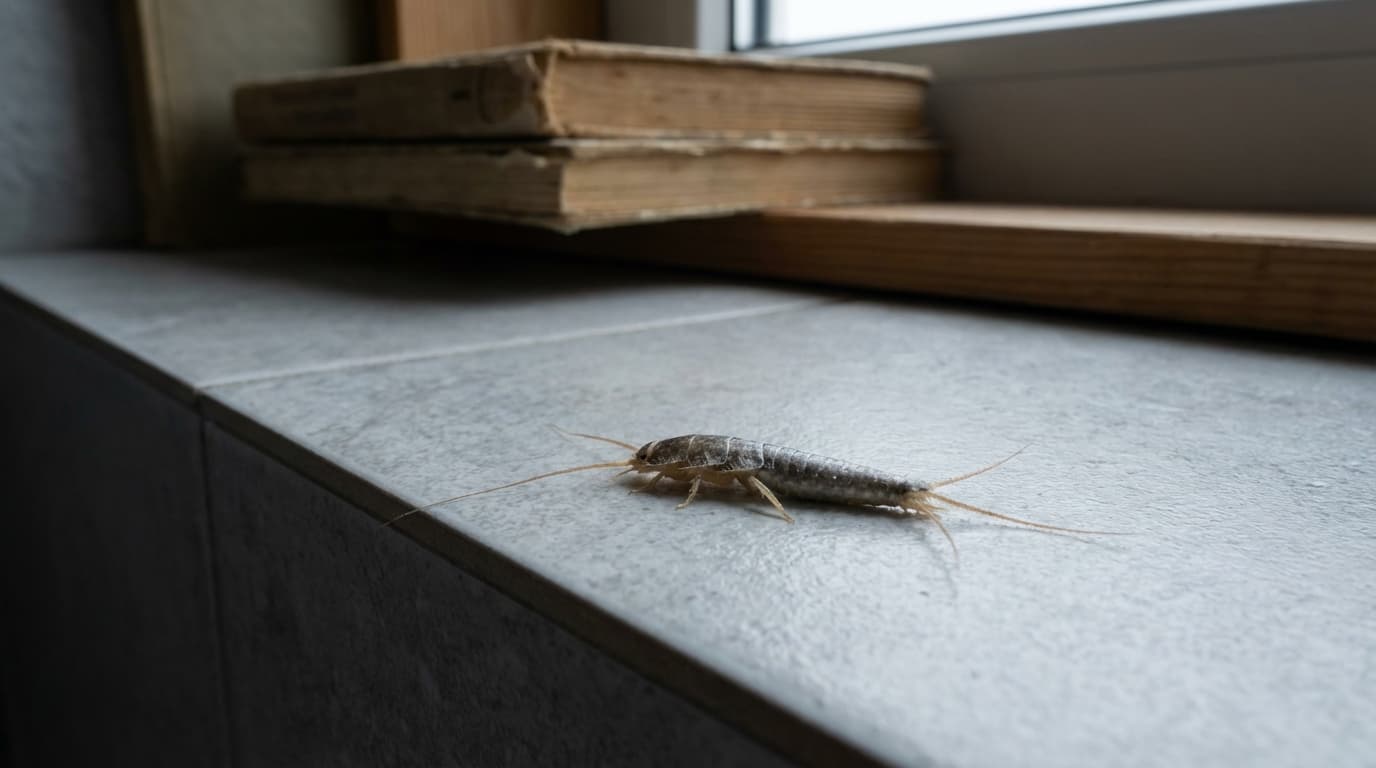
Silverfish
Lepisma saccharina
insectsHow to Identify
Silverfish are teardrop-shaped, wingless insects about 1/2 to 3/4 inch long with a distinctive silvery-gray metallic sheen. They have three long, thread-like tail appendages (cerci) at the rear and two long antennae at the front. Their bodies are covered in tiny scales that give them their characteristic shimmer. They move in a rapid, fish-like wriggling motion, especially when disturbed. Silverfish are often confused with firebrats, a closely related species that prefers warmer habitats.
Signs of Infestation
Silverfish are nocturnal and fast-moving, so you may rarely see them directly. Look for irregular holes or surface feeding marks on paper, wallpaper, book bindings, and cardboard. You may notice tiny pepper-like fecal droppings or yellowish stains on fabric and paper. Shed skins are another sign — silverfish molt throughout their lives, and translucent cast skins accumulate in harborage areas like bookcases, closets, and storage boxes.
Health Risks
Silverfish do not bite, sting, or transmit diseases. They are primarily a nuisance and property pest in Myrtle Beach, SC. They can damage books, wallpaper, photographs, important documents, and natural fiber clothing including silk and cotton. Their scales and droppings can trigger allergic reactions in sensitive individuals, and they may attract other predatory pests like spiders.
Our Treatment Method
Here in Myrtle Beach, MBPC applies residual insecticidal dust in wall voids, attic spaces, and behind baseboards where silverfish harbor. Targeted crack-and-crevice treatments around bathrooms, kitchens, and storage areas address active populations. Sticky traps are placed for monitoring. Because silverfish thrive in our humid, subtropical coastal environment, moisture reduction through improved ventilation, dehumidification, and leak repair is a critical component of long-term control. Jake Thompson and the MBPC team are licensed by the SC Department of Agriculture and trained to handle silverfish infestations effectively.
Prevention Tips
Reduce indoor humidity below 60% using dehumidifiers, especially in basements and crawlspaces common in Myrtle Beach, SC homes. Fix all plumbing leaks promptly to combat the area's natural humidity. Store books, documents, and photographs in sealed plastic containers rather than cardboard boxes. Vacuum regularly in closets, along baseboards, and behind bookshelves to remove food sources and eggs. Consider professional pest control services from MBPC to create a barrier against silverfish entry.
Habitat
Silverfish prefer dark, humid environments with temperatures between 70-80 degrees F. They are commonly found in bathrooms, kitchens, basements, attics, laundry rooms, and behind wallpaper. They feed on starchy materials including book bindings, wallpaper paste, paper, cardboard, cotton, linen, and even dried foods like flour and oats. In the Myrtle Beach, SC area's warm, humid subtropical climate, silverfish are a persistent year-round concern, particularly in older homes, vacation properties, and homes near the salt marshes and tidal creeks that may sit unoccupied for periods.
Peak activity: Year-round
Identification Photos
Frequently Asked Questions About Silverfish
Silverfish are not harmful to humans — they do not bite or transmit diseases. However, they can damage valuable items in your Myrtle Beach home, including books, photographs, important documents, wallpaper, and natural fiber clothing. Their scales and droppings may also trigger allergic reactions in sensitive individuals.
Silverfish are strongly attracted to humidity and moisture, which is prevalent in Myrtle Beach, SC. Bathrooms provide their ideal environment — warm, humid, and dark. They often enter through gaps around pipes and drains. Improving bathroom ventilation with an exhaust fan and fixing any leaks will make the space less hospitable.
Silverfish can live 3-6 years, which is unusually long for an insect. They continue to molt throughout their entire lives and can survive for months without food. This longevity, combined with their ability to hide in tight crevices, makes them a persistent pest in the Grand Strand that often requires professional treatment from MBPC.
Yes. Silverfish feed on natural fibers including cotton, silk, linen, and rayon. They are attracted to starched fabrics and clothing with food stains. Store valuable garments in sealed plastic containers or garment bags, and avoid using starch on items stored long-term, especially in the humid Myrtle Beach climate.
Related Pests
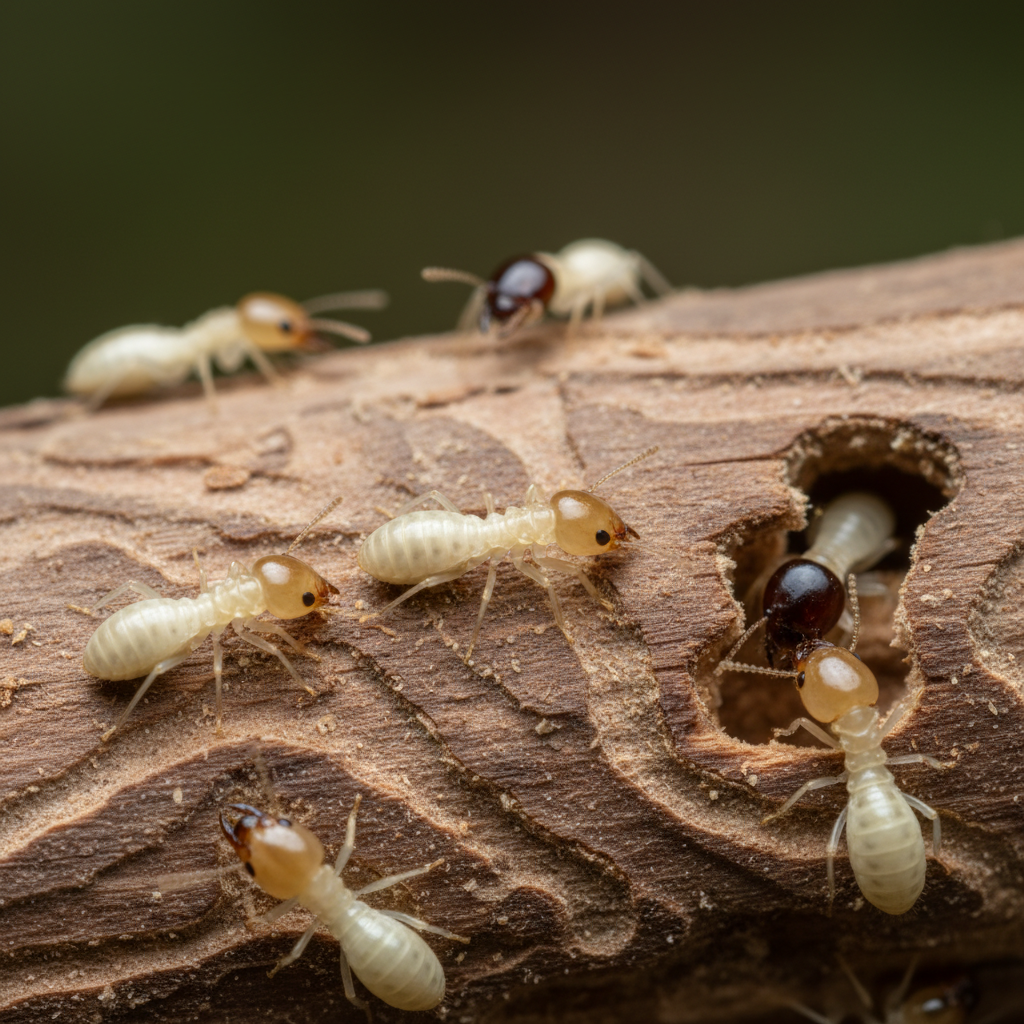
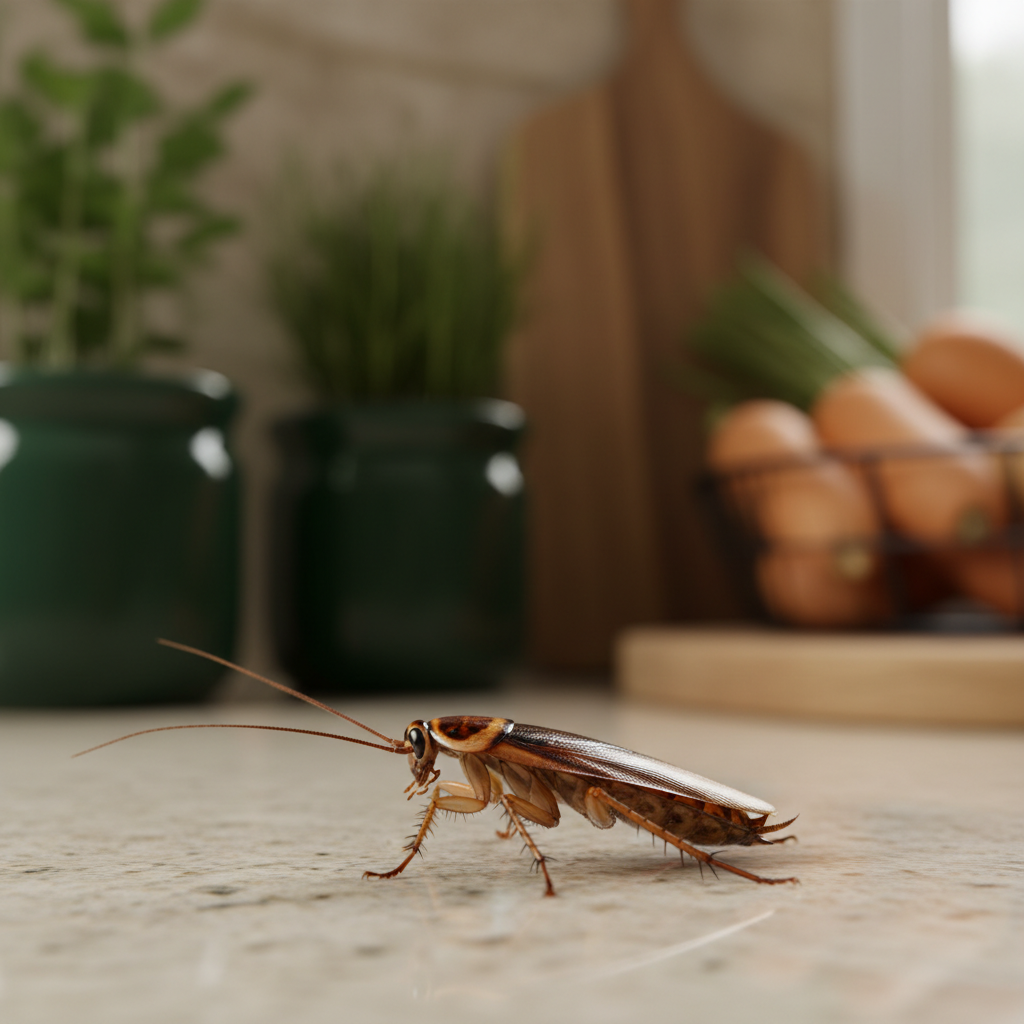
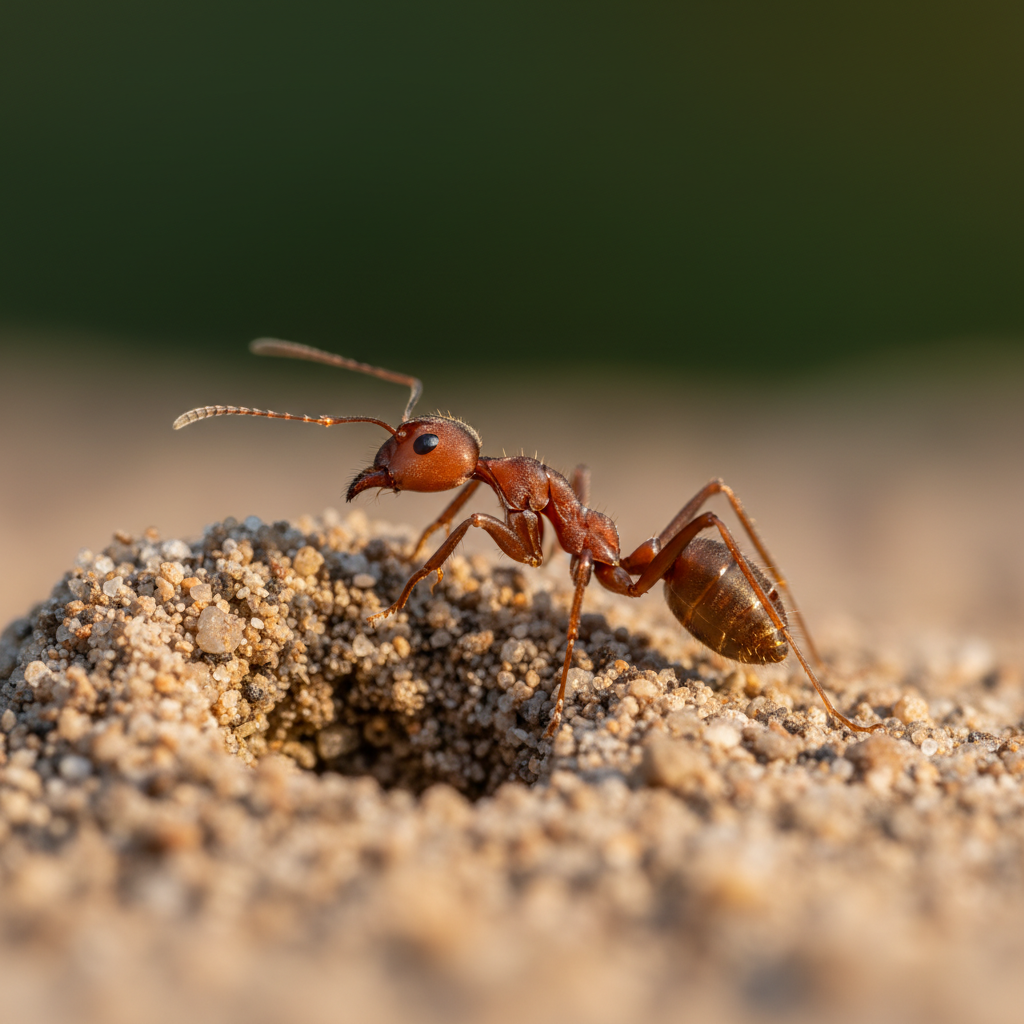
Don't Let Pests Win.
Take Back Your Home Today.
Every day you wait gives pests more time to multiply and cause damage. Our licensed technicians are ready to help — often the same day you call.
Free Inspection
No cost, no obligation
Same-Day Service
Fast response guaranteed
Eco-Friendly
Safe for family & pets
100% Guarantee
Pests return, so do we
Ready to get started?
Choose how you'd like to connect with us.
Available Mon-Fri 8am-6pm, Sat 9am-2pm