
Brown Recluse Spider
Loxosceles reclusa
arachnidsHow to Identify
Brown recluse spiders are light to dark brown, about the size of a quarter including legs. Their most distinctive feature is a dark, violin-shaped marking on the cephalothorax (head region) with the neck of the violin pointing toward the abdomen. Unlike most spiders, brown recluses have six eyes arranged in three pairs rather than the typical eight. Their legs are long, thin, and uniformly colored without bands or spines.
Signs of Infestation
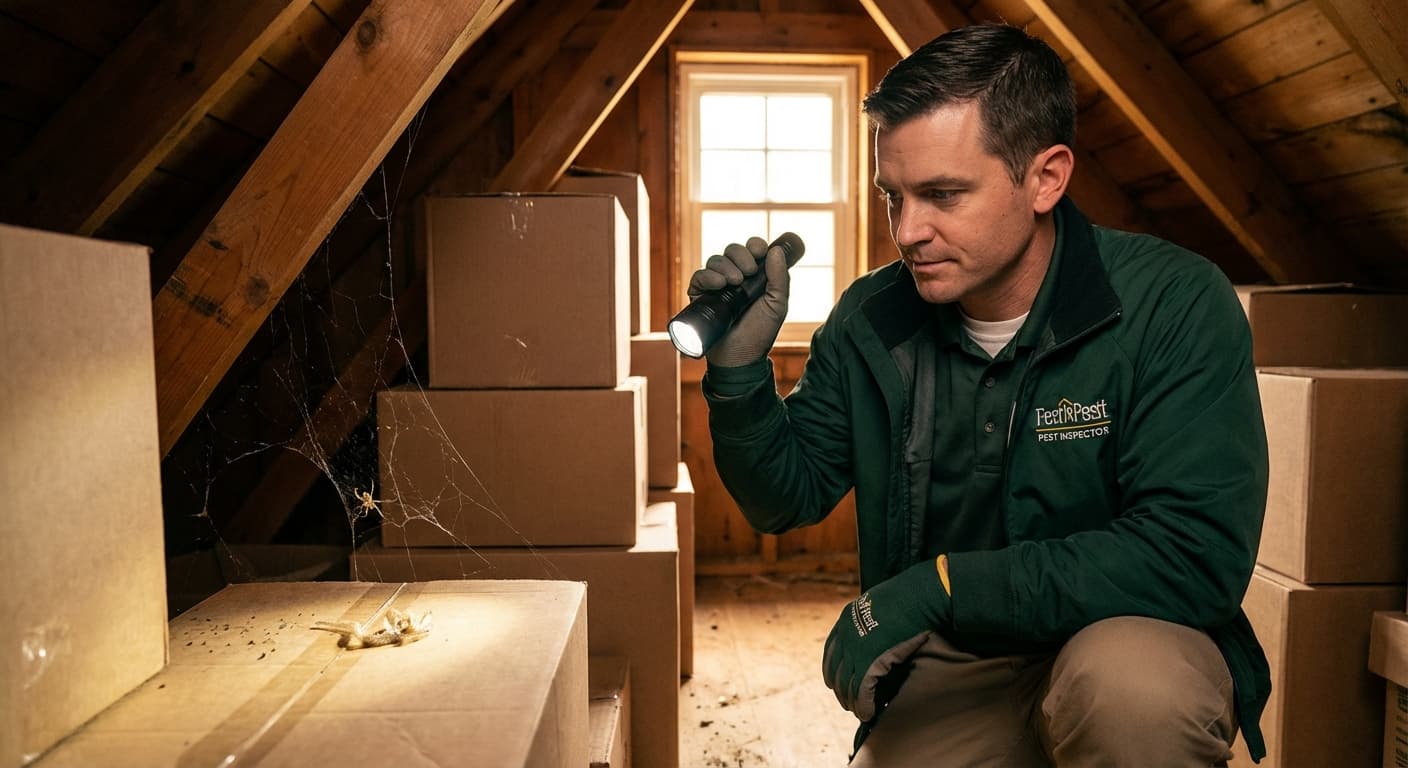
Brown recluses are shy and nocturnal, so they are rarely seen in the open. Look for small, irregular, off-white webs in undisturbed areas like storage boxes, closets, attics, basements, and behind furniture. Shed skins may accumulate in harborage areas. Bites often occur when a spider is trapped against skin in clothing, bedding, or shoes that have been undisturbed for a period.
Health Risks
Brown recluse bites can cause necrotic skin lesions (tissue death) around the bite site, resulting in a slow-healing wound that may require medical attention. Symptoms include redness, pain, and a blister that develops within hours. In rare cases, systemic reactions including fever, chills, and nausea can occur. Due to the warm, humid climate of the Grand Strand, proper wound care is essential to prevent secondary infections. Not all bites result in necrosis; many heal without complication if kept clean.
Our Treatment Method
MBPC uses a combination of residual insecticide application in harborage areas, sticky trap monitoring, and habitat modification to reduce brown recluse populations. Dusting wall voids and attic spaces with a desiccant dust provides long-lasting control. We also recommend reducing clutter, sealing cracks around baseboards and door frames, and using sealed storage containers instead of open cardboard boxes. Our methods are tailored for the subtropical coastal environment of Myrtle Beach, SC, accounting for humidity and sandy soil conditions that can affect treatment efficacy.
Prevention Tips
Reduce clutter in closets, attics, and basements — cardboard boxes are prime harborage. Switch to sealed plastic storage containers. Shake out shoes, gloves, and clothing stored in garages or sheds before wearing, especially after a SC vacation property has been closed up between rental seasons. The seasonal occupancy patterns common in Grand Strand beach houses create ideal brown recluse conditions — undisturbed closets, guest bedrooms, and storage areas during vacancy periods allow spiders to establish without detection. Given the sandy soil and surrounding salt marshes, ensure proper sealing of crawlspaces and foundations to prevent access. When opening a seasonal home or retrieving stored beach gear, boogie boards, and folded chairs, wear gloves and inspect items carefully. Install door sweeps and seal gaps around baseboards and utility penetrations.
Habitat
Brown recluses prefer dark, undisturbed indoor spaces typical of Myrtle Beach homes. They are commonly found in closets, attics, basements, crawlspaces, storage rooms, and garages. They often hide behind wall hangings, inside seldom-used shoes, in stacked cardboard boxes, and under furniture. Given the climate, they may also be found in outdoor structures like sheds and under palmetto fronds. They thrive in the undisturbed indoor spaces common in coastal homes and vacation properties throughout the Grand Strand.
Peak activity: Spring-Fall
Identification Photos
Frequently Asked Questions About Brown Recluse Spider
Most brown recluse bites cause localized pain and a small blister that heals within a few weeks. About 10% of bites develop a necrotic lesion (tissue death) that may require medical treatment. Systemic reactions are rare but can include fever, chills, and nausea. Seek medical attention if you suspect a bite, especially given the potential for secondary infection in the humid Myrtle Beach, SC climate.
Place sticky traps along baseboards in closets, attics, basements, and behind furniture. Brown recluses are nocturnal and shy — you may never see one in the open. Finding them on sticky traps confirms their presence. Check traps weekly and note locations with catches for targeted treatment, particularly in areas prone to humidity in Myrtle Beach homes.
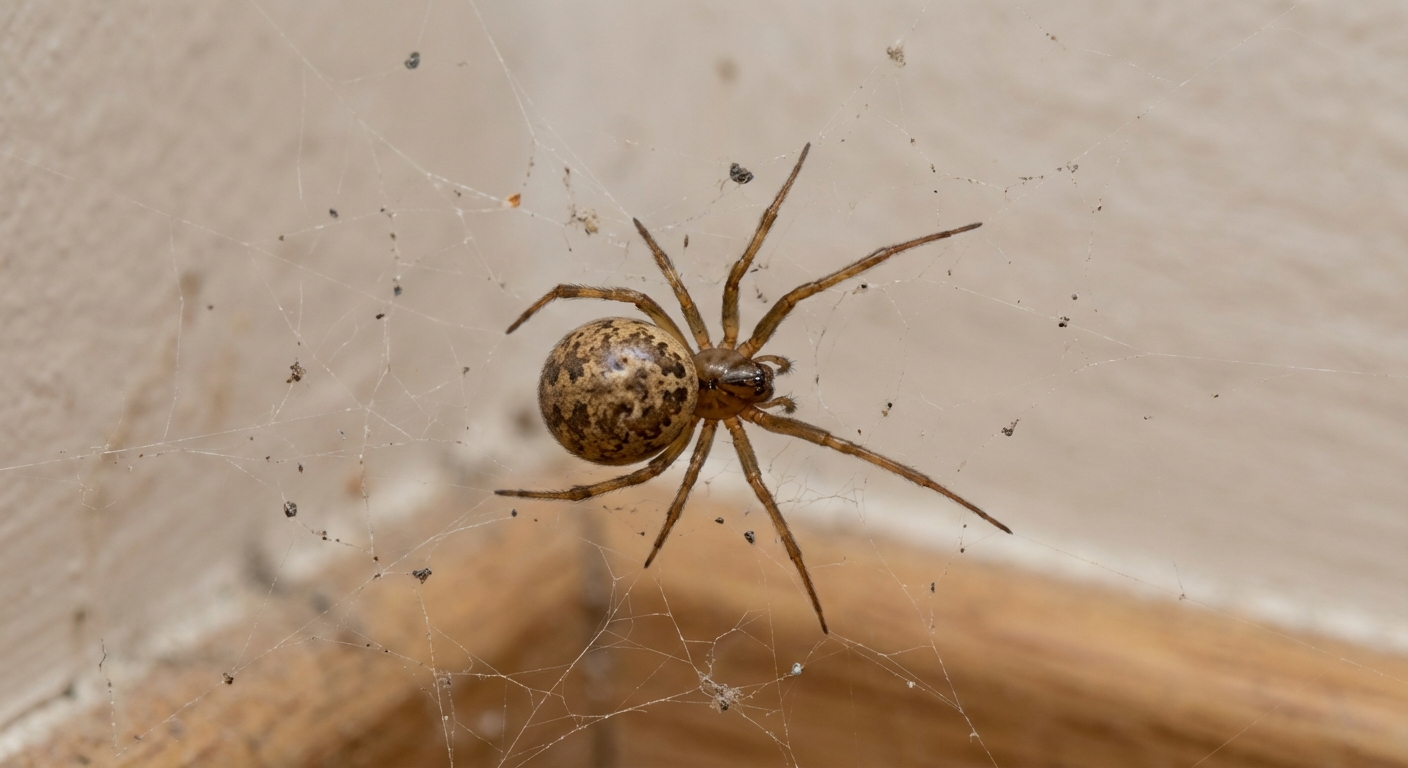
Brown recluses are found throughout South Carolina, including the coastal regions around Myrtle Beach. They are frequently confused with harmless wolf spiders and other brown spiders. Proper identification requires examining the six-eye pattern and violin marking. Call MBPC for definitive identification if you are unsure.
Habitat modification (reducing clutter, sealing cracks, using plastic containers) is the most important step and reduces populations without chemicals. However, for established infestations, professional desiccant dust treatments in wall voids and attic spaces provide long-term control that non-chemical methods alone cannot achieve. MBPC uses targeted treatments appropriate for the subtropical SC environment.
Related Pests
Confused About What You're Seeing?
Brown Recluse vs. Wolf Spider — compare side by side to know for sure.
Open Comparison ToolDon't Let Pests Win.
Take Back Your Home Today.
Every day you wait gives pests more time to multiply and cause damage. Our licensed technicians are ready to help — often the same day you call.
Free Inspection
No cost, no obligation
Same-Day Service
Fast response guaranteed
Eco-Friendly
Safe for family & pets
100% Guarantee
Pests return, so do we
Ready to get started?
Choose how you'd like to connect with us.
Available Mon-Fri 8am-6pm, Sat 9am-2pm