
Fleas
Ctenocephalides felis
insectsHow to Identify
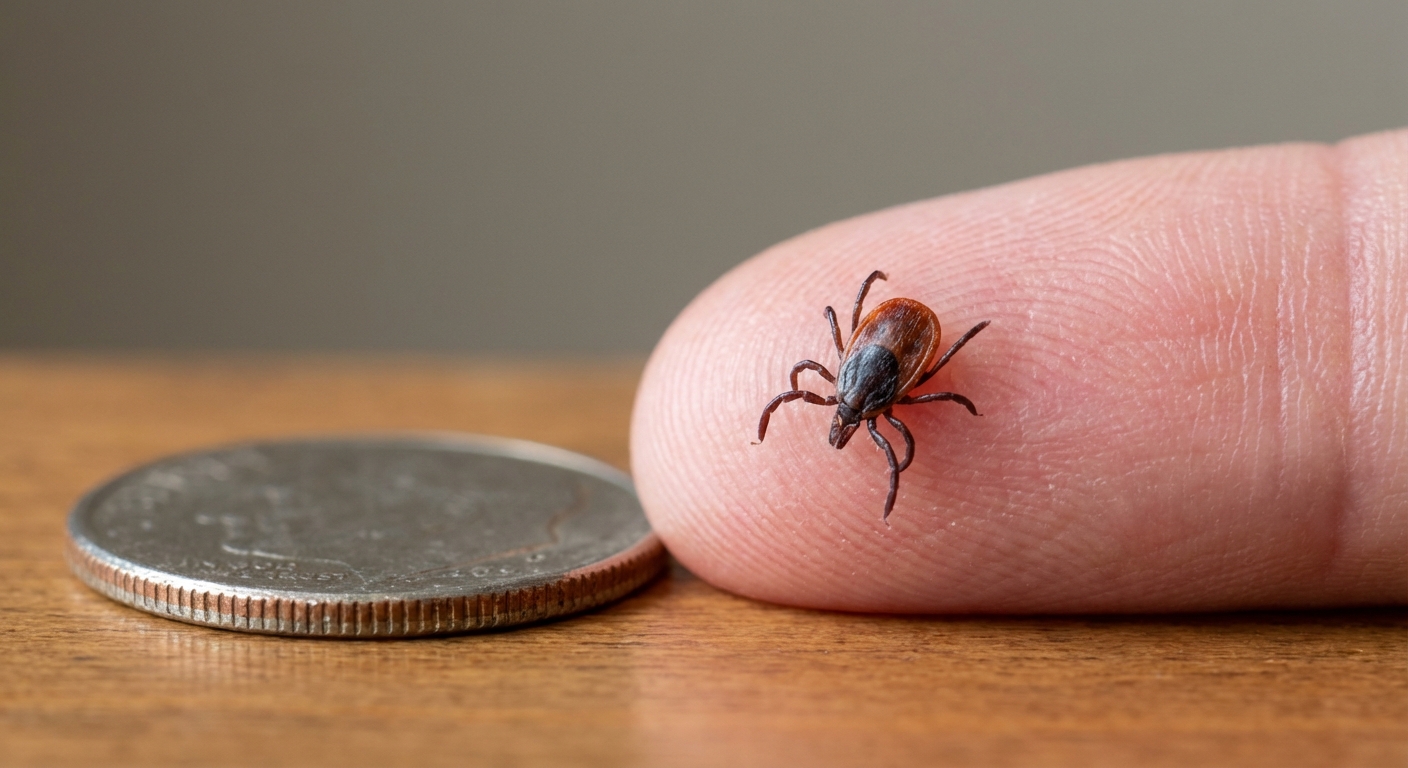
Fleas are tiny, wingless insects about 1/16 to 1/8 inch long with laterally compressed (flat side-to-side) dark brown bodies built for moving through fur and hair. They have powerful hind legs that allow them to jump up to 8 inches vertically — about 150 times their own body length. The cat flea (Ctenocephalides felis) is the most common species found on both cats and dogs. Adults have backward-facing bristles that help them cling to their host.
Signs of Infestation
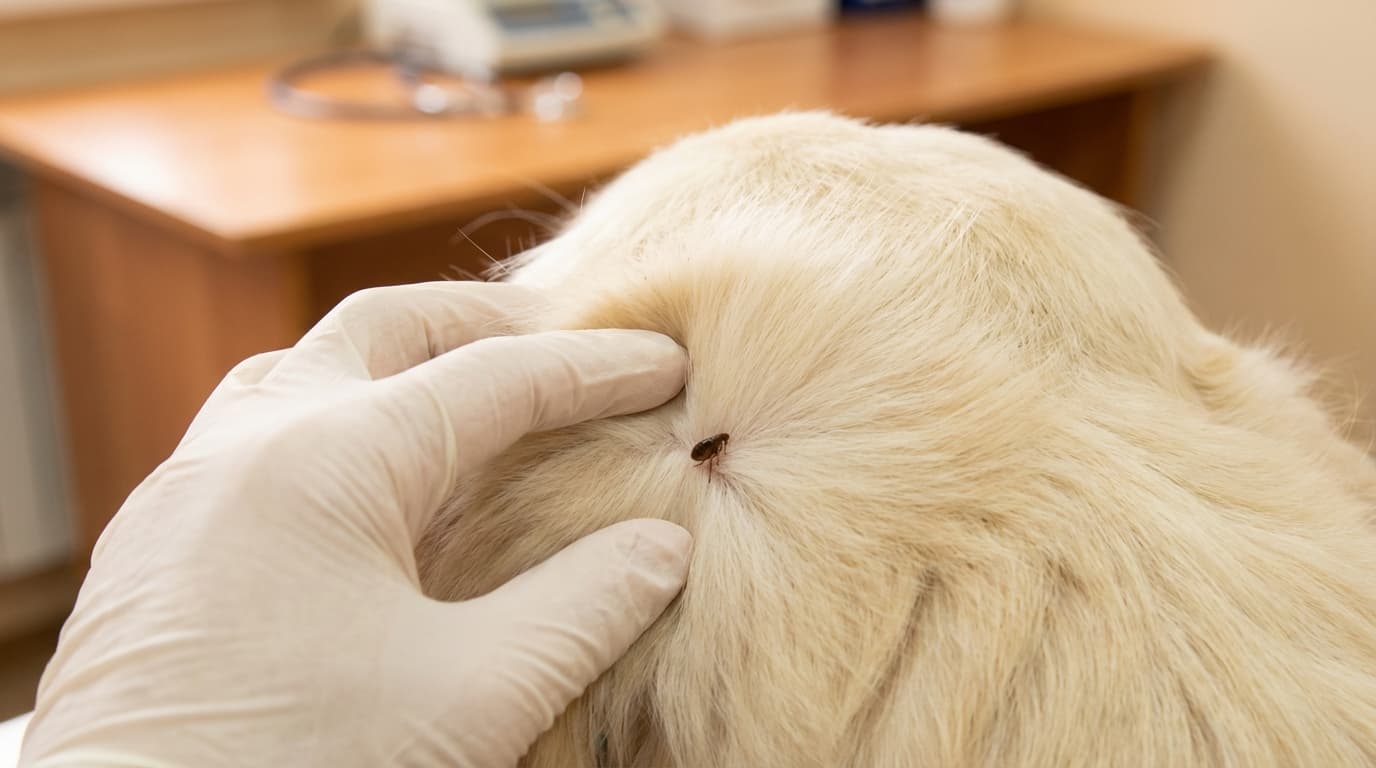
Pets scratching excessively, especially around the neck, ears, and base of the tail, is often the first sign. Part your pet's fur and look for fast-moving dark specks or tiny dark comma-shaped flea droppings (digested blood) on the skin. Place your pet on a white towel and comb them — flea dirt appears as dark specks that turn reddish-brown when wet. You may also notice bites on your own ankles and lower legs.
Health Risks
Flea bites cause intense itching and can trigger flea allergy dermatitis (FAD) in sensitized pets, leading to hair loss, hot spots, and skin infections. In humans, bites cause itchy red welts typically around the ankles. Fleas can transmit tapeworms to pets and children who accidentally ingest an infected flea. Heavy infestations in young or small animals can cause anemia from blood loss. Due to Myrtle Beach's mild, humid climate, secondary skin infections from scratching flea bites are common and may require veterinary attention.
Our Treatment Method
Effective flea control in Myrtle Beach requires treating the pet, the home interior, and the yard simultaneously. MBPC applies residual insecticides with an insect growth regulator (IGR) to carpets, upholstered furniture, pet bedding areas, and baseboards. The IGR prevents flea eggs and larvae from developing into biting adults. Outdoor treatments target shaded areas under decks, porches, and shrubs where pets rest, as well as areas near palmetto trees and salt marshes. Coordination with your veterinarian for pet treatment is essential for comprehensive flea control in SC.
Prevention Tips
Keep all pets on year-round veterinary flea prevention — this is the single most important step in Myrtle Beach, SC, where our mild coastal climate means pets are outdoors nearly every month, and there is no safe off-season to skip treatments. Vacuum carpets, rugs, and upholstered furniture at least twice weekly, focusing on areas where pets rest. Wash pet bedding in hot water weekly. Keep your lawn mowed and shrubs trimmed to reduce shaded humidity where flea larvae develop. Pay special attention to sandy, shaded areas under decks and porches where pets nap — the Grand Strand's sandy soils are ideal flea pupae habitat.
Habitat
Adult fleas live on their host animal, feeding on blood multiple times per day. However, flea eggs, larvae, and pupae develop off the host in carpets, upholstered furniture, pet bedding, and cracks in hardwood floors. Outdoors, flea larvae develop in shaded, humid areas where pets rest — under porches, decks, and in mulch beds, often near palmetto trees. Myrtle Beach's subtropical coastal climate — with an extended warm season — means almost year-round flea activity. Our sandy soils provide ideal pupae habitat, allowing flea cocoons to survive and develop in yard areas where pets play. Flea pupae can remain dormant in carpets for up to 6 months waiting for vibrations and warmth that signal a host is nearby.
Peak activity: Spring-Fall
Identification Photos
Frequently Asked Questions About Fleas
Only 5% of a flea population lives on the pet as adults. The other 95% exists as eggs, larvae, and pupae in your carpets, furniture, and pet bedding. Treating only the pet leaves the environmental population untouched. In Myrtle Beach, a professional home treatment by MBPC, combined with ongoing pet prevention, breaks the entire life cycle, accounting for our extended warm season.
Yes. Previous tenants' pets, visiting animals, or wildlife (raccoons, opossums, feral cats) can leave behind flea pupae that remain dormant for months, even in Myrtle Beach rental properties. When you move in, your body heat and vibrations trigger the pupae to hatch, and the emerging adults begin biting. This is common in newly occupied apartments and rental homes along the Grand Strand.
With professional treatment by MBPC, plus consistent pet prevention, most infestations in Myrtle Beach are resolved within 2-4 weeks. However, flea pupae in carpets are protected by a cocoon that resists insecticides. These will continue hatching for several weeks after treatment, which is why ongoing vacuuming and pet prevention are critical during this period, especially given our long flea season.
Flea foggers are largely ineffective in Myrtle Beach because the aerosol settles on top surfaces but cannot penetrate into carpet fibers, under furniture cushions, or into cracks where flea larvae develop. Professional treatments from MBPC use targeted applications with insect growth regulators that reach larval harborage areas and prevent development for months, controlling fleas effectively in our subtropical climate.
Related Pests
Confused About What You're Seeing?
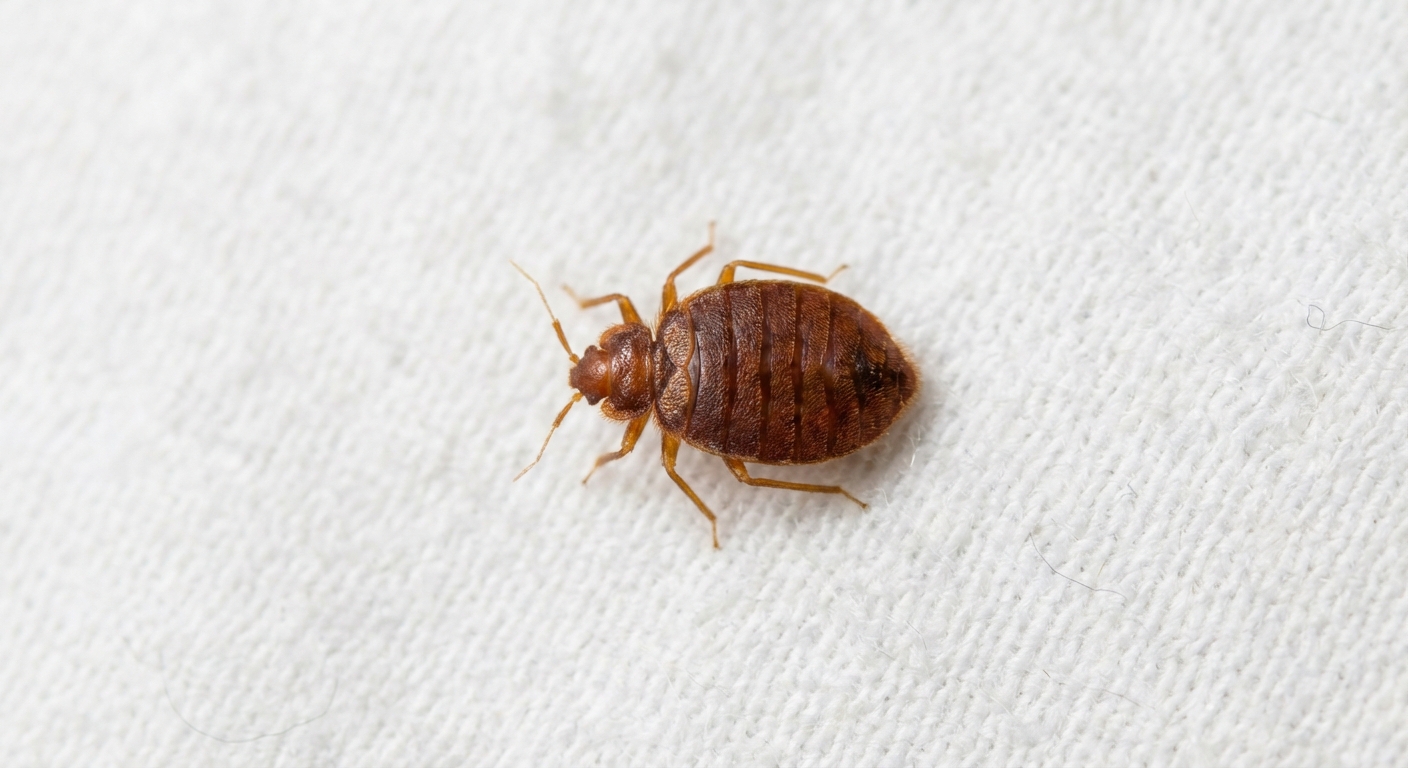
Bed Bugs vs. Fleas — compare side by side to know for sure.
Open Comparison ToolDon't Let Pests Win.
Take Back Your Home Today.
Every day you wait gives pests more time to multiply and cause damage. Our licensed technicians are ready to help — often the same day you call.
Free Inspection
No cost, no obligation
Same-Day Service
Fast response guaranteed
Eco-Friendly
Safe for family & pets
100% Guarantee
Pests return, so do we
Ready to get started?
Choose how you'd like to connect with us.
Available Mon-Fri 8am-6pm, Sat 9am-2pm